


Most sliding mitts range in price from budget to premium, with a common sweet spot for serious players around the mid-tier pricing. Budget models work fine for casual rec ball; travel and high school players usually see better protection and fit from mid-range gear. Limited-drop designs and collaborations can push prices well past $80 on the resale market, but for most families, that premium buys style, not safety.
TL;DR:
- Mid-range sliding mitts offer the best value for frequent sliders due to their denser padding and better fit, typically costing $25 to $40.
- Premium mitts with hardened shells and limited editions can exceed $80, but often price is driven by design and scarcity rather than added protection.
- Materials such as neoprene, gel polymers, and leather significantly improve durability and impact absorption compared to basic foam used in budget models.
- A proper fit hinges on precise measurement and choosing hand-specific designs, reducing the risk of discomfort and inadequate protection during slides.
- Most players who slide occasionally in rec leagues can opt for budget mitts or skip them, while serious players in travel or high school leagues benefit from investing in mid-range options.
Table of Contents
- Sliding Mitt Cost Breakdown: Budget, Mid-Range, and Premium
- What Drives Sliding Mitt Price Differences
- Is a Sliding Mitt Worth the Money for Your Player?
- Where to Buy a Sliding Mitt and What to Check First
- What We’ve Learned Fitting Mitts to Real Players
- What’s the Warranty and Return Policy on a Sliding Mitt?
- How Long Does a Sliding Mitt Last?
- Sliding Mitt Cost vs. Other Protective Baseball Gear
- Where Your Money Actually Goes: Materials, Manufacturing, and Branding
- A Parent’s Real Buying Decision
- Get the America Sliding Mitt at the Right Price
- Sources
Sliding Mitt Cost Breakdown: Budget, Mid-Range, and Premium
Sliding mitt pricing splits into three honest categories, and knowing which one you’re shopping in saves you from either overpaying or under-protecting your hand.
Budget mitts ($15 to $25) use basic molded foam construction. They cover the palm and fingers well enough for occasional headfirst slides in low-contact rec leagues. Fit tends to run universal, meaning one size stretches to cover a range of hand sizes, which is fine for a kid who slides twice a season.
Mid-range mitts ($25 to $40) step up to denser foam or early gel-hybrid padding, often with better wrist coverage and sometimes hand-specific sizing. This tier is where most travel ball and competitive rec players land, and it’s where Pitchtrainingbaseball’s America Sliding Mitt sits, built for players who slide often enough that comfort and durability actually matter.
Premium and limited-drop mitts ($40 to $80 and up) bring hardened shells, dual-layer padding, and sometimes licensed or collector-driven artwork. Reporting on the sliding mitt market shows that scarcity alone, not just materials, can drive prices this high, especially when a design sells out and resellers step in.
- Budget: $15 to $25, molded foam, universal fit
- Mid-range: $25 to $40, denser padding, better fit options
- Premium: $40 to $80+, hardened shells, limited-run designs
One thing to watch: MSRP and street price aren’t always the same number. A mitt with a $30 sticker price can sell for double that once a hyped colorway drops and demand outpaces supply.
What Drives Sliding Mitt Price Differences
Two mitts that look nearly identical on a store shelf can carry a $20 price gap, and the reasons come down to five things: material, construction, sizing precision, cosmetic features, and scarcity.
Material is the biggest lever. Entry-level mitts use standard EVA foam, which absorbs some impact but compresses over time. Step up and you’ll find neoprene shells, gel-to-shell polymer systems, or even leather accents, all of which hold their shape and protective qualities longer than basic foam.
Construction complexity matters just as much. A single-layer foam pad costs less to manufacture than a dual-layer hardshell design, where an outer shell distributes impact and an inner layer cushions the hand. That extra manufacturing step shows up directly in the price tag.
Sizing precision is the quieter cost driver. A universal one-size-fits-most mitt is cheaper to produce than a mitt offered in distinct left-hand and right-hand builds with multiple size options. Hand-specific construction costs more because it requires more molds, more SKUs, and more inventory complexity for the brand.
- Materials: EVA foam (basic) vs. neoprene, gel polymer, or leather accents (durable)
- Construction: single-layer foam vs. dual-layer hardened shells
- Sizing: universal fit vs. hand-specific, multi-size builds
- Cosmetics: licensed artwork and limited collaborations add a scarcity premium
Pro Tip: If you’re comparing two mitts at different price points, ask what’s actually different: the foam, the shell, or just the artwork. A $50 mitt with the same core foam as a $25 mitt is paying for looks, not protection.
Is a Sliding Mitt Worth the Money for Your Player?
Not every player needs the same mitt, and some don’t need one at all. Matching the price tier to the actual playing situation is where most parents either save money or waste it.
- Youth recreational players. If your league restricts headfirst slides or your kid rarely attempts them, a budget mitt or no mitt at all is a reasonable call. A buyer-priority framework from BaseballMonkey treats sliding mitts as situation-dependent gear, not a must-have, for younger recreational leagues. Some coaches go further, arguing a batting glove held in a fist works just as well for occasional sliders.
- Travel ball and high school players. These players slide headfirst regularly and at higher speeds, so the better cushioning and fit of a mid-range or premium mitt earns its keep. This is also where league rules start to matter more, since some governing bodies have specific equipment guidelines worth checking before you buy.
- Adult rec leagues. Cost-benefit here depends on frequency. Weekend warriors who slide once a month can stick with budget gear; anyone playing multiple games a week should treat a mid-range mitt as cheap insurance against a jammed finger.
Where to Buy a Sliding Mitt and What to Check First
Sliding mitts show up in three main places: brand direct sites, general sporting goods retailers, and limited-drop marketplaces where resale pricing takes over. Each has different implications for returns, sizing help, and whether you’re paying MSRP or a markup.
Buying direct from a brand’s own site usually gives you the clearest return policy and the most accurate current stock, since you’re not dealing with a third-party seller’s inventory lag. Retailers offer convenience and sometimes bundle deals, but selection can be thinner. Limited-drop marketplaces are where prices detach from MSRP entirely. Testing and price tables from equipment reviewers consistently show mid-range mitts offering the best fit-to-price ratio for competitive players, which makes them a safer default than chasing a scarce design.
Before you check out, run through this:
- Confirm whether you’re buying direct, through a retailer, or on a resale marketplace
- Measure hand circumference and compare it against the brand’s sizing chart
- Check the return window and who pays return shipping
- Ask if the size is true-to-chart or runs large/small based on reviews
- Look for team discounts or seasonal sales before paying full price
- Check if bundling with other gear lowers the per-item cost
Quick fact: limited-drop sliding mitts have sold for prices well above their original MSRP once resale demand kicks in, according to market reporting on the sliding mitt trend. Buying direct at release is almost always cheaper than chasing a sold-out colorway later.
What We’ve Learned Fitting Mitts to Real Players
Between building training gear and talking to coaches and parents day to day, a few patterns show up constantly. Players who actually use a sliding mitt every practice want something that goes on fast, no fiddly straps, because game flow doesn’t wait for equipment. Fit complaints almost always trace back to skipping the sizing chart.
Measure hand circumference before you order, and if possible, try the mitt on with the batting glove you’ll actually wear underneath. An oversized universal mitt might feel fine standing still, but it rotates during a real slide and leaves the padding out of position exactly when you need it. The most common buying mistake we see isn’t overspending, it’s skipping the return policy check and getting stuck with a mitt that doesn’t fit.
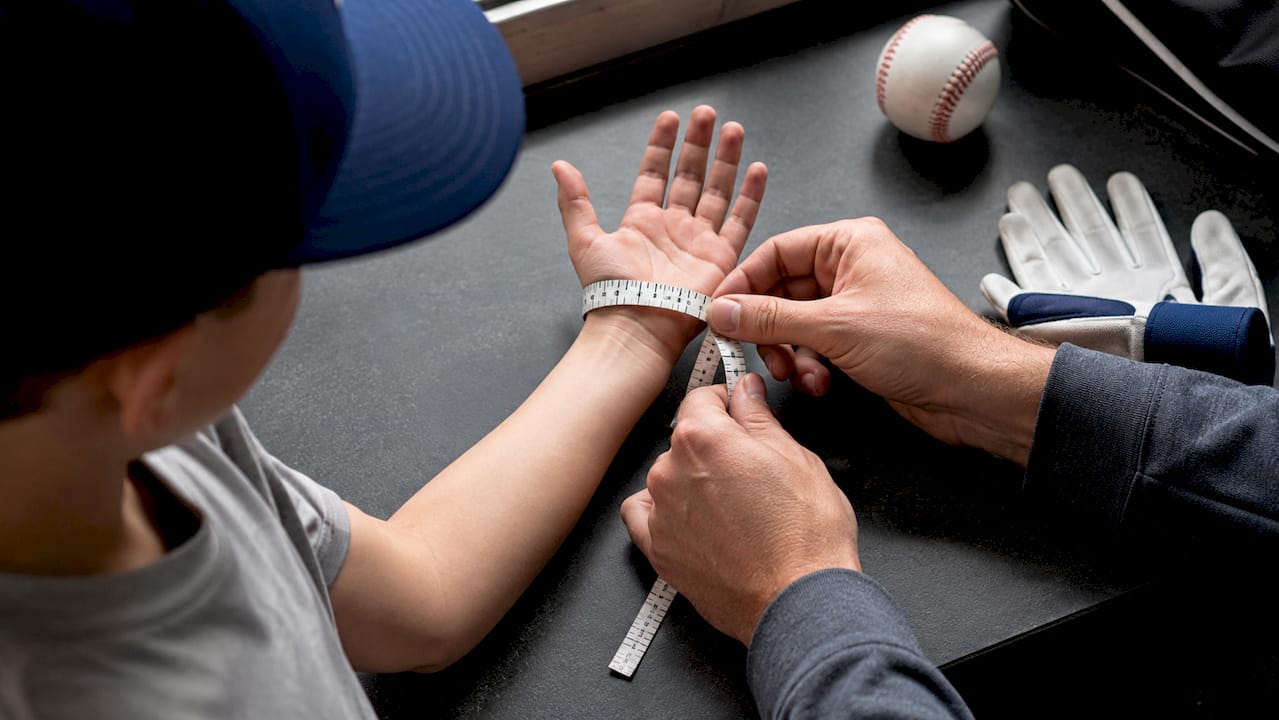
For a rec player who slides occasionally, a budget mitt does the job. For a travel ball regular, something built like the America Sliding Mitt fits the frequency and intensity better.
What’s the Warranty and Return Policy on a Sliding Mitt?
Sliding mitts don’t typically carry a manufacturer’s warranty the way a bat or glove might. Most brands treat them as a wear item, similar to batting gloves, so protection against defects usually falls under a standard 30-day return window rather than a multi-year warranty claim process.
Return policies vary more than warranties do. Buying direct from a brand’s site typically gets you the cleanest return terms, often 30 days for unused, unworn mitts in original packaging. Retailers may extend that window during holiday seasons but often require a receipt and unused condition. Limited-drop and resale marketplace purchases are the riskiest: once a design sells out and resells above MSRP, buyers usually have no return path at all if the size or fit is wrong.
The practical takeaway is simple: buy from a source that lets you return an ill-fitting mitt before you commit. Sizing mistakes are common enough that a flexible return window matters more than any warranty language on the box. If a seller doesn’t clearly post its return policy, treat that as a red flag rather than an oversight.
How Long Does a Sliding Mitt Last?
A sliding mitt’s lifespan tracks closely with its price tier, which is part of why the cost gap exists in the first place. Budget foam mitts tend to compress and lose their protective shape faster, especially with regular use on dirt and turf, while denser foam and gel-to-shell systems hold up over a longer stretch of seasons.
For a player who slides a handful of times a season, even a budget mitt can last multiple years since wear accumulates slowly. For a travel ball player sliding headfirst several times a week, that same budget mitt might flatten out within a single season, while a mid-range or premium build with hardened shells and higher-density foam keeps its protective integrity much longer.
Durability, not artwork, is the real value signal when a mitt sees regular use. A flashy limited-drop design that compresses after ten uses is a worse deal at $60 than a mid-range mitt at $30 that holds up for two full seasons. If you’re budgeting for gear that gets real use, prioritize the foam and shell quality over the colorway.
Sliding Mitt Cost vs. Other Protective Baseball Gear
A sliding mitt is one of the cheaper pieces of protective equipment in a baseball bag, which helps put its price in perspective. Batting gloves generally run $15 to $40 a pair and wear out on a similar timeline. Elbow guards and shin guards for catchers or aggressive baserunners often start around $20 and can climb past $60 for padded, hard-shell versions. Helmets sit well above all of these, frequently $40 to $150 depending on certification and brand.
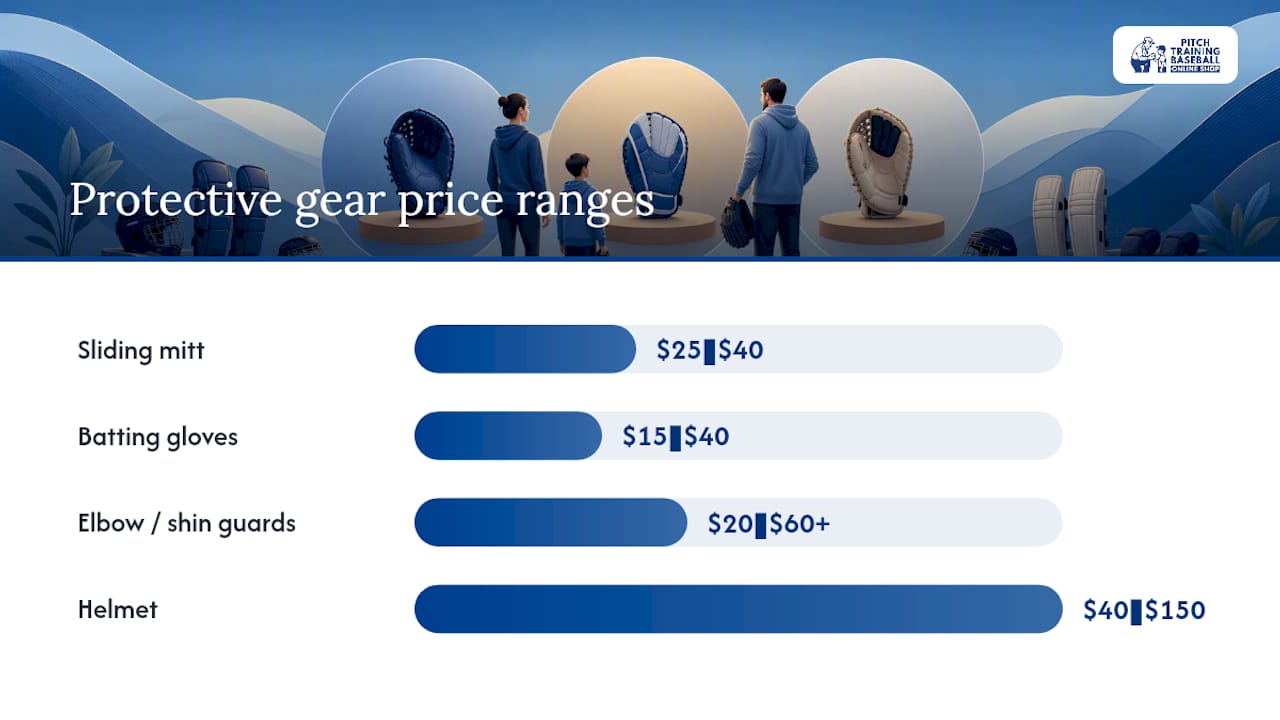
Compared to that lineup, a sliding mitt is a low-cost add rather than a major equipment decision. It’s closer in price to a good pair of batting gloves than to a helmet or full guard set, which makes the “is it worth it” question less about budget strain and more about whether your player’s sliding habits justify the purchase at all. For a family already investing in cleats, a glove, and a bat, a mid-range sliding mitt is a minor line item with an outsized protective payoff for anyone sliding headfirst regularly.
Where Your Money Actually Goes: Materials, Manufacturing, and Branding
Breaking a sliding mitt’s price into components shows why two mitts with similar looks can cost so differently. Raw materials, foam, gel polymer, neoprene shells, typically make up a modest slice of total cost, but the difference between basic and premium versions of these materials widens fast as density and durability increase.
Manufacturing complexity is often the bigger swing factor. A single-mold foam mitt is cheap to produce at scale. A dual-layer hardshell design with hand-specific left and right builds requires more tooling, more quality control steps, and more SKUs to manage, and that complexity gets passed to the buyer.
Branding and design are the wildcard. Licensed artwork, limited-run colorways, and collaboration drops add a cost layer that has little to do with protective performance. A design-driven mitt like the Ice Cream Sliding Mitt demonstrates how cosmetic appeal can command a price bump independent of the foam underneath. None of that is a knock on wanting a mitt that looks good, it’s just worth knowing which dollars are buying protection and which are buying style.
A Parent’s Real Buying Decision
Picture a travel ball parent whose kid slides headfirst most games. Skipping straight to a mid-range mitt with better padding makes sense there, since the extra $15 over a budget option is cheap insurance against a jammed finger during a 60-game season. Now picture a rec league parent whose kid slides once a month and whose league discourages headfirst slides anyway. Waiting, or grabbing the cheapest option, is the smarter call.
The tradeoff is frequency of use versus price. My recommendation: buy for how often the mitt will actually get used, not for how good it looks in the bag.
— Albert
Get the America Sliding Mitt at the Right Price
Pitchtrainingbaseball built the America Sliding Mitt to sit exactly where the value math works best: mid-range pricing with the padding and fit that travel ball and competitive rec players actually need, without paying a limited-drop markup for artwork alone.

It uses hand-specific sizing rather than a loose universal fit, so measure hand circumference before ordering and check the size chart on the product page. The mitt is designed to go on fast between plays, no fussy straps, and it’s priced to compete with mid-range options without the resale inflation that hits limited designs. If you’re outfitting a full bag for the season, pair it with the Pitching Target Net or check bundle options directly on the America Sliding Mitt product page to see current price and return details before you check out.
Sources
- AP News — reporting on sliding mitt market and pricing
- Baseball Mode — best sliding mitts guide and brand/material breakdown
- Batting Leadoff — best sliding mitts reviewed and price table
- BaseballMonkey — guide on which youth baseball accessories are worth buying