


Investing in youth sports equipment is the single most effective way to protect your child’s developing body while accelerating their athletic skills. The right gear does three things at once: it reduces injury risk, builds sport-specific ability, and keeps young athletes motivated enough to stick with the game. Parents who skip quality equipment early often spend more money later, either replacing cheap gear that fails or covering medical costs from preventable injuries. This guide gives you the research, the numbers, and the practical framework to spend wisely on your child’s athletic development.
Why invest in youth sports equipment: safety comes first
The most urgent reason to buy quality gear is injury prevention. Children’s skeletons are still developing, which means their growth plates and bones are far more vulnerable to impact than an adult’s. A hard collision that bruises an adult can fracture a child’s growth plate, causing long-term damage to bone development.
Orthopedic specialists consistently point to helmets, mouthguards, and pads as the front line of defense. These items work by distributing impact forces across a wider surface area, reducing the concentrated stress on any single bone or joint. Without certified protective gear, that force goes directly into tissue that is not yet fully hardened.
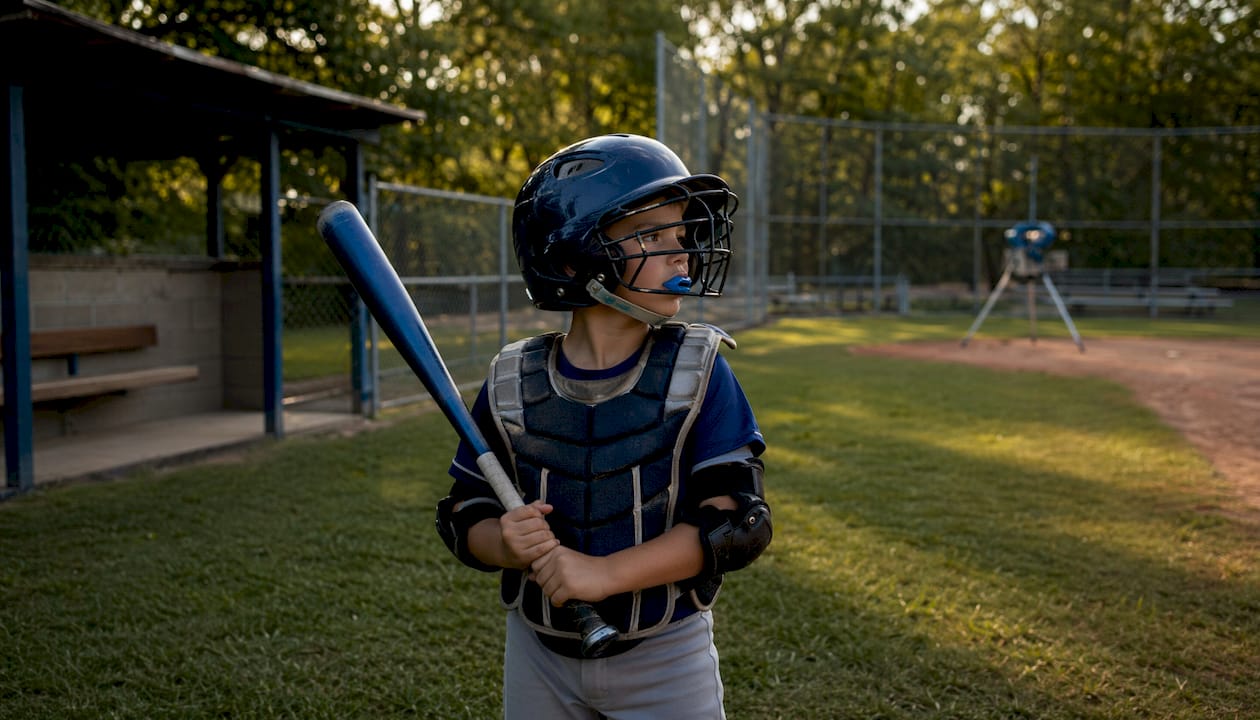
Fit matters as much as the gear itself. Ill-fitting or used helmets shift on impact, leaving the most vulnerable parts of the skull exposed. A helmet that slides even an inch during a collision offers almost no protection. This is why orthopedic and sports medicine professionals recommend buying helmets new, every time, and checking the fit at the start of each season.
Growth spurts create a specific problem parents often miss. A helmet that fit perfectly in april may be dangerously loose by september. The same applies to cleats and pads. Gear that is too large creates its own hazards, since oversized pads can shift during play and leave joints unprotected.
Pro Tip: Check your child’s helmet fit at the start of every season and again mid-season if they grow more than an inch. The two-finger rule applies: you should not be able to fit two fingers between the helmet and the forehead.
Gear alone does not eliminate all risk. Dynamic warm-up routines combined with strength and balance exercises reduce injury rates significantly when paired with proper equipment. Think of certified gear as the foundation and physical conditioning as the structure built on top of it. Both are required for real protection.
- Helmets: buy new, check fit every season, replace after any significant impact
- Mouthguards: custom-fitted options offer better protection than generic boil-and-bite versions
- Cleats and footwear: proper ankle support prevents the most common youth sports injuries
- Pads and guards: knee, shin, and elbow pads must fit snugly without restricting movement
- Compression gear: supports muscles and reduces soft tissue strain during high-intensity play
What are the benefits of specialized training equipment for skill development?
Specialized training equipment produces measurable performance gains that general practice cannot match. An 8-week training program using assistive equipment with 14.4-year-old female football players produced roughly a 4% improvement in sprint speed, a 20% increase in maximal hamstring strength, and a 36% gain in impulse capacity. Those are not marginal improvements. They represent the kind of physical development that takes years to achieve through unstructured practice.
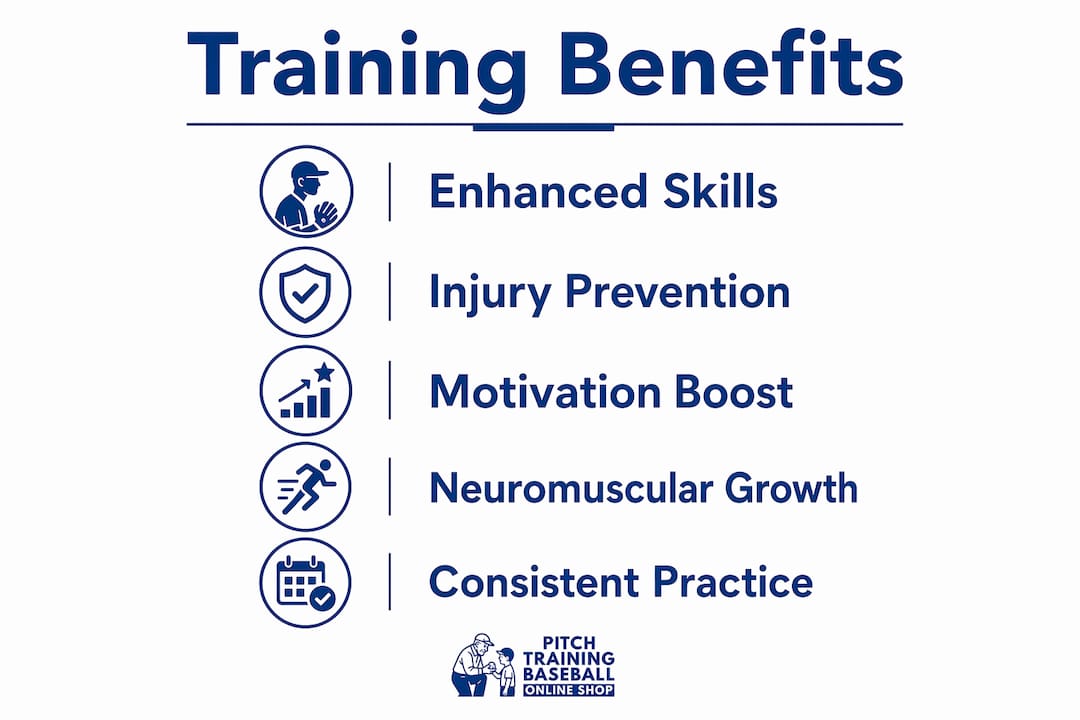
The mechanism behind these gains is neuromuscular adaptation. When young athletes train with tools designed for specific movement patterns, their nervous systems learn to recruit muscle fibers more efficiently. Agility ladders, mini-hurdles, and cones force the body to practice precise footwork at speed, which builds coordination pathways that carry over directly into game situations.
Research on U-18 basketball players found that integrated equipment training produced 3–4 times larger gains in eye-foot coordination and agility compared to traditional practice. The experimental group also showed significantly better performance on the Euro Step skill, a complex movement requiring balance, timing, and spatial awareness. Traditional drills simply cannot replicate that stimulus.
Pro Tip: Rotate between two or three different training tools each session. Variety prevents adaptation plateaus and keeps young athletes mentally engaged, which directly supports longer practice sessions.
The role of training balls in baseball pitching development follows the same principle. Sport-specific tools create sport-specific adaptations. A youth pitcher who trains with a weighted ball or a pitching target net develops arm mechanics and accuracy faster than one who only throws in games.
Here is a breakdown of common training tools and the specific skills they develop:
| Training Tool | Primary Skill Developed | Secondary Benefit |
|---|---|---|
| Agility ladders | Foot speed and coordination | Reaction time |
| Mini-hurdles | Stride length and rhythm | Hip flexor strength |
| Pitching target nets | Accuracy and zone awareness | Arm mechanics |
| Weighted training balls | Arm strength and release point | Grip consistency |
| Cones | Directional change and balance | Spatial awareness |
The value of portable training equipment extends beyond the field. Parents can set up a backyard practice station that gives their child quality repetitions outside of team practice. Quality repetitions, not total hours, drive skill development in young athletes.
What should parents consider about cost and timing?
Smart equipment investment starts with knowing what to buy first and what to delay. Starter costs vary widely by sport: basketball shoes run $50–$80, soccer gear costs $80–$150, baseball and lacrosse equipment ranges from $100–$350, and tackle football gear can reach $200–$400 for mandatory protective items alone. These figures cover safety essentials only, not premium upgrades.
The most common parenting mistake is buying top-tier gear before a child has committed to a sport. Industry experts recommend waiting at least one season before investing in premium equipment. Children change interests quickly, and an expensive glove or set of cleats becomes wasted money if your child switches sports after six months.
The right buying sequence looks like this:
- Season one: Buy certified safety gear new. Buy optional gear used or at entry-level price points.
- Season two: Upgrade items that show wear or no longer fit. Assess your child’s commitment level before spending more.
- Season three and beyond: Invest in sport-specific training tools and higher-quality gear if participation is consistent.
Non-safety gear, such as batting gloves, training bags, and extra apparel, can be bought used without meaningful risk. Safety gear, especially helmets and pads, should always be purchased new. Used helmets may have hidden structural damage from previous impacts that no visual inspection can detect.
Here is a practical comparison of essential versus optional gear across common youth sports:
| Sport | Essential (buy new) | Optional (buy used or later) |
|---|---|---|
| Baseball | Helmet, cup, cleats | Batting gloves, extra bats, training aids |
| Soccer | Shin guards, cleats | Goalkeeper gloves, training cones |
| Basketball | Proper footwear | Shooting sleeves, ball bag |
| Football | Helmet, shoulder pads, mouthguard | Gloves, extra padding |
| Lacrosse | Helmet, gloves, pads | Extra sticks, training targets |
Premium brands rarely deliver proportional safety or performance benefits over certified mid-range options. The certification standard matters more than the brand name. Look for NOCSAE certification on helmets and ASTM standards on other protective gear. Those marks tell you the equipment has passed independent safety testing, regardless of price point.
How does equipment investment affect motivation and long-term participation?
Quality equipment directly increases a child’s desire to practice. Specialized training apparatus significantly raises motivation scores in young athletes, with junior gymnasts showing measurable increases after structured equipment training. The reason is straightforward: when practice feels productive and engaging, children want to do more of it.
The opposite is also true. Poor gear creates frustration. A young pitcher who cannot control a worn-out ball, or a soccer player whose cleats slip on wet grass, associates the sport with failure rather than progress. That association drives dropout rates up. The impact of sports on youth development depends heavily on whether early experiences feel positive and achievable.
Intrinsic motivation, the internal drive to improve for its own sake, grows when athletes see clear progress. Sport-specific tools create visible feedback loops. A youth pitcher who hits a target zone consistently sees their accuracy improving in real time. That visible progress is one of the strongest predictors of long-term athletic participation.
Parents can apply several strategies to sustain enthusiasm alongside equipment investment:
- Let your child choose one piece of training gear each season. Ownership increases engagement.
- Set small, measurable goals tied to specific tools. “Hit the strike zone 7 out of 10 times” beats “practice more.”
- Rotate equipment to prevent boredom. New tools introduce new challenges that keep sessions fresh.
- Celebrate process improvements, not just game results. A child who improves their form deserves recognition even without a win.
- Connect gear to real athletes your child admires. Seeing a favorite player use similar tools builds aspiration.
The highest-impact investment is often in practice tools that maximize quality repetitions, not in premium game-day gear. A pitching target net used three times a week produces more development than an expensive jersey worn once a week. Parents who understand this distinction spend less and get better results.
Key Takeaways
Investing in properly fitted, certified youth sports equipment is the most direct way to prevent injuries, accelerate skill development, and sustain a child’s long-term motivation to participate in sports.
| Point | Details |
|---|---|
| Safety gear must be bought new | Helmets and pads with hidden damage increase injury risk rather than reduce it. |
| Specialized tools produce measurable gains | An 8-week equipment program improved sprint speed by 4% and hamstring strength by 20% in young athletes. |
| Wait one season before premium purchases | Confirm your child’s commitment before spending on top-tier gear to avoid wasted costs. |
| Fit outperforms brand name | Certified mid-range gear that fits correctly protects better than expensive ill-fitting equipment. |
| Practice tools drive development | Quality repetitions with sport-specific aids build skills faster than unstructured game play. |
What I’ve learned about buying gear for young athletes
Parents consistently overestimate what a brand name does for a child’s development. I have watched families spend $300 on a premium glove for a nine-year-old who quit baseball by spring. The glove did not make the child better. The child needed repetitions, feedback, and a reason to keep showing up.
The most effective equipment investments I have seen are the unglamorous ones. A pitching target net in the backyard. A set of agility cones in the garage. These tools create the conditions for daily practice, and daily practice is what actually builds athletes. Game-day gear matters for safety and confidence, but training tools are where real development happens.
Fit is the single most underrated factor in youth sports gear. I have seen kids play better in properly fitted mid-range equipment than in premium gear that was one size too large. An oversized helmet does not protect. Cleats that are too long cause ankle rolls. The fit conversation should happen before the brand conversation, every time.
My honest advice to parents: buy certified safety gear new and sized correctly, wait one full season before upgrading anything optional, and put your discretionary budget into practice tools that create repetitions. The child who gets 200 quality pitching reps a week will outperform the child with the expensive glove and 20 reps every time. Patience with gear upgrades is not being cheap. It is being smart about what actually drives athletic development.
— Albert
Pitchtrainingbaseball’s training tools for young athletes
Parents looking for gear that delivers real practice value will find it at Pitchtrainingbaseball. The product line is built specifically for youth athletes, with training aids designed to create quality repetitions at home, in the backyard, or at the field.
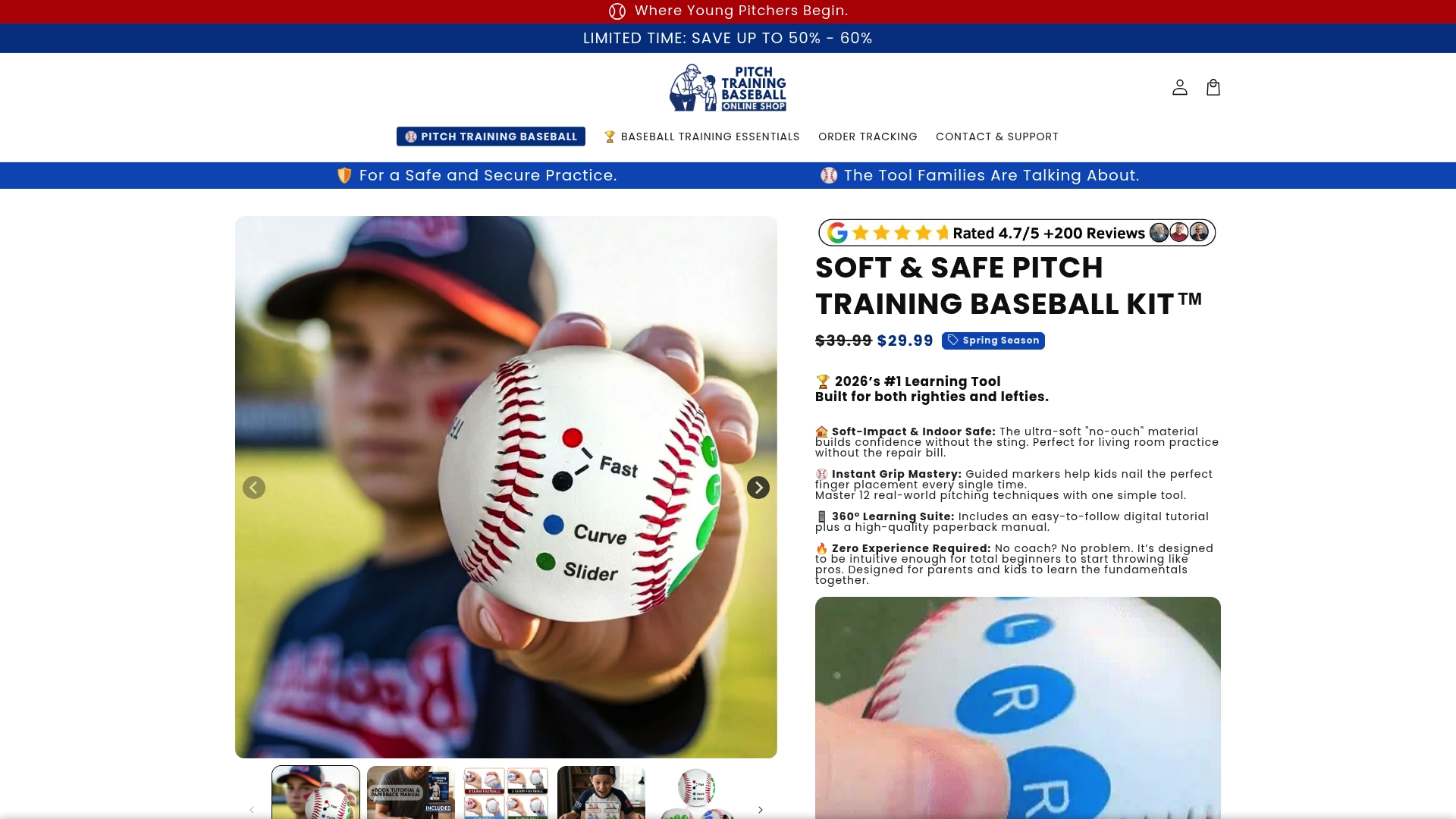
The Pitching Target Net with Strike 9-Zone gives young pitchers immediate visual feedback on every throw, which accelerates accuracy development faster than unstructured bullpen sessions. For players who need protective gear during sliding practice, the America Sliding Mitt offers youth-specific fit and protection. Pitchtrainingbaseball also carries youth softball training equipment for parents supporting athletes across both diamond sports. Every product is sized and designed for developing athletes, not scaled-down adult gear.
FAQ
Why is proper fit more important than brand name in youth gear?
Certified gear that fits correctly distributes impact forces as designed. An expensive helmet that slides on a child’s head offers less protection than a mid-range helmet with a secure fit.
When should parents buy premium youth sports equipment?
Wait at least one full season before investing in premium gear. Confirm your child’s commitment to the sport before spending beyond certified safety essentials.
What youth sports equipment should always be bought new?
Helmets and protective pads should always be purchased new. Used helmets may carry hidden structural damage from previous impacts that visual inspection cannot detect.
How does specialized training equipment improve youth athletic skills?
Research shows integrated training with agility ladders, cones, and sport-specific tools produces 3–4 times larger gains in coordination and agility compared to traditional practice alone.
Does better equipment increase a child’s motivation to practice?
Yes. Studies show specialized training apparatus significantly raises motivation scores in young athletes. When practice tools create visible progress, children are more likely to practice consistently and stay in the sport longer.
Recommended
- Training Aids in Youth Sports: A 2026 Parent and Coach Guide – Pitch Training Baseball
- The Role of Parents in Baseball Training: A 2026 Guide – Pitch Training Baseball
- Why Choose Custom Baseball Equipment for Youth Players – Pitch Training Baseball
- Baseball parents: safety, support, and pitching success – Pitch Training Baseball