


Portable baseball training is defined as skill development practice using lightweight, mobile equipment that works in backyards, parks, garages, or any open space outside a formal facility. The benefits of portable baseball training go far beyond convenience. Young athletes who practice 3–5 focused sessions weekly outside team settings show steady skill improvement in mechanics, accuracy, and arm strength. For parents managing packed schedules, portable training tools from Pitchtrainingbaseball deliver regulation-quality practice without the cost or logistics of a dedicated facility.
1. Benefits of portable baseball training for skill development
Portable training closes the gap between team practices. Most youth players attend organized practice two or three times per week. That leaves four or five days where skills either stagnate or grow, depending on what happens at home.
Focused solo sessions build muscle memory faster than infrequent long practices. Short, repeated reps on a specific skill, such as release point or footwork, produce more durable improvement than a single two-hour team session. Mobile apps now enable detailed movement assessment and progress tracking, putting elite-level coaching feedback in a parent’s pocket.
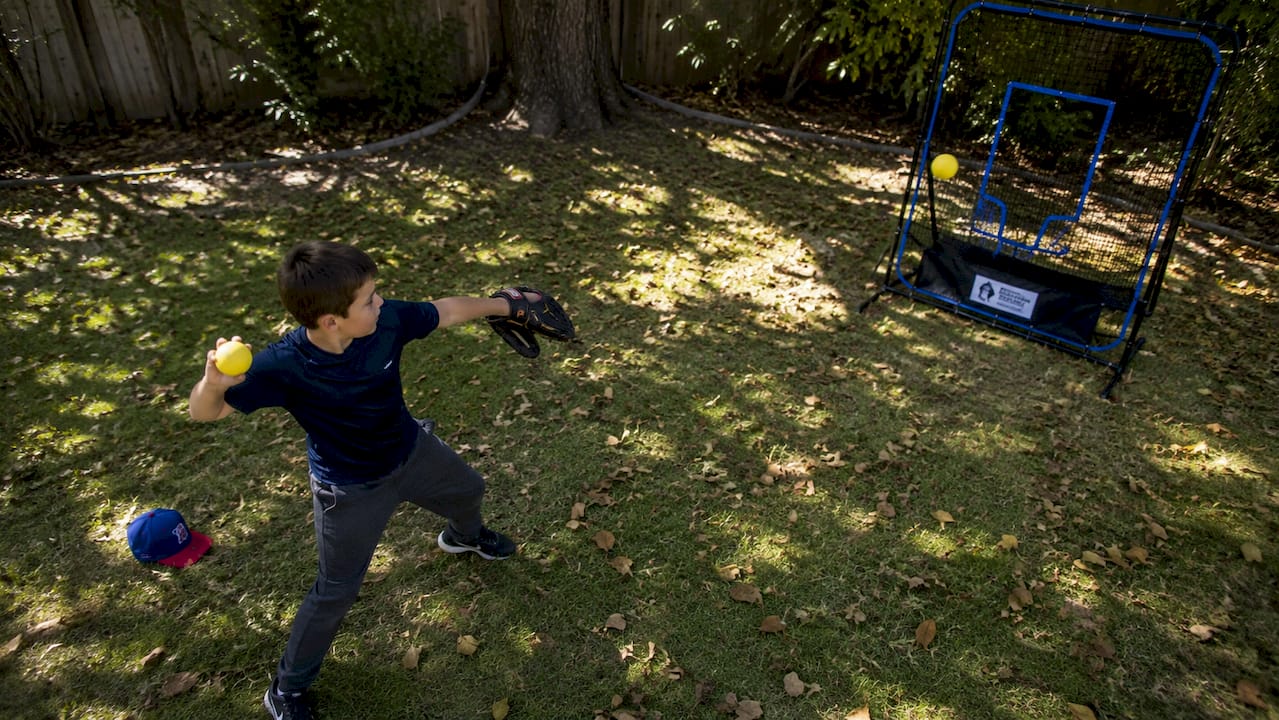
Portable drills also target specific weaknesses. A player struggling with strike zone accuracy can run a target drill against a pitching net every evening. A hitter working on hip rotation can use a soft-toss setup in the garage. These focused repetitions are exactly what game-like pitching practice methods recommend for accelerating youth skill development.
Key drills suited for portable settings include:
- Pitching target work: Throwing at a strike zone net to build accuracy and zone awareness
- Soft-toss hitting: A partner or toss machine feeds balls for swing repetition
- Fielding reaction drills: Rolled ground balls against a fence or wall for glove work
- Arm strength long toss: Open-field throwing at increasing distances to build arm endurance
Pro Tip: Set a specific skill goal for each portable session. “Today I work on low-and-away location” produces better results than general throwing.
2. Injury prevention advantages of portable baseball equipment
Portable equipment reduces injury risk by giving young pitchers a consistent, regulation-quality surface every time they throw. Uneven ground forces the body to compensate, and those compensations show up as elbow strain, shoulder fatigue, and poor landing mechanics.
“Portable pitching mounds provide a regulation-height throwing surface essential for injury prevention. Uneven landing zones increase strain on a pitcher’s lower body, while flat landing areas dramatically reduce injury risk and improve mechanics.”
The landing zone matters as much as the mound height itself. A pitcher who throws off a consistent, flat surface trains the correct lower-body drive pattern. A pitcher who throws off a sloped backyard or uneven grass trains a compensated pattern that eventually causes pain.
Portable nets and self-toss aids also reduce physical strain during hitting practice. A player swinging at soft-toss pitches uses controlled, repeatable mechanics. That is far safer than live batting practice where timing pressure causes rushed, unbalanced swings.
Equipment features that support injury prevention:
- Regulation mound height: Builds correct arm angle and stride mechanics from the start
- Flat, stable landing zones: Eliminate lower-body compensation patterns
- Lightweight nets: Allow proper distance and spacing without crowding the throwing motion
- Soft-toss tools: Reduce the speed and unpredictability that cause rushed mechanics
Parents often focus on pitch count limits as the primary injury prevention tool. Mound surface quality is equally important and far less discussed.
3. Flexibility and convenience: practicing anywhere with portable baseball training
The biggest practical advantage of mobile baseball workouts is location freedom. A family traveling for a weekend tournament can still get a 20-minute session in at a park. A player recovering from a minor illness can do light toss in the driveway. Practice does not stop when life gets complicated.
Standard youth training nets weigh 11–13 pounds, which means a parent or player can carry one from a car to a field without help. That weight threshold is the difference between equipment that actually travels and equipment that stays in the garage.
Mobile training platforms remove facility cost barriers entirely. Subscription-based apps now start at $12.99 per month, giving families access to video analysis and drill libraries without paying for a private lesson or renting a batting cage. That cost difference adds up significantly over a full season.
A practical portable practice setup for busy families:
- Choose a compact net. A 7x7ft net fits most backyards and garages and sets up in under five minutes.
- Add a pitching target. A strike zone target attached to the net turns any session into focused accuracy work.
- Download a tracking app. Use a smartphone app to record and review mechanics after each session.
- Set a weekly schedule. Three sessions of 20 minutes each outperform one long weekend session.
- Pack it for travel. Keep the net bag and balls in the car during tournament weekends for quick warmup sessions.
Pro Tip: Keep a small gear bag packed and ready in the car. When a 20-minute window opens between activities, your child can get reps in without any setup delay.
Managing practice time for youth pitchers is a skill in itself. Short, consistent sessions beat sporadic long ones every time.
4. How portable equipment supports independent practice
Solo-friendly equipment like self-toss devices and net systems enables independent skill accumulation without constant parental involvement. This is one of the most undervalued advantages of portable baseball training equipment. A player who can practice alone builds self-reliance alongside baseball skills.
Parents underestimate how much a child’s skill grows when they own their own practice. A net in the backyard becomes a destination. A pitching target becomes a game. The player stops waiting for a coach or parent to run a drill and starts self-directing their development.
Self-directed practice also builds mental focus. A young pitcher who sets up their own mound, picks a target, and tracks their own accuracy is developing concentration habits that transfer directly to game situations. Daily pitching habits built around solo equipment create athletes who are mentally ready, not just physically prepared.
The key is choosing equipment that genuinely works without a second person. A net that catches every throw, a target that gives visual feedback, and a ball that bounces back predictably all make solo practice productive rather than frustrating.
5. Top portable baseball training equipment for young athletes
The right gear makes the difference between a productive backyard session and a wasted one. Parents should prioritize equipment that matches their child’s age, skill level, and available space.
Portable pitching mounds
Prefab portable pitching mounds are built to regulation specs, easy to set up, and require minimal maintenance compared to DIY clay mounds. For home use, a prefab mound is the practical choice. DIY mounds require clay, shaping tools, and ongoing maintenance that most families cannot sustain.
Key considerations when choosing a portable mound:
- Height compliance: Confirm the mound matches Little League or travel ball regulation height for your child’s age group
- Surface material: Rubber or turf surfaces provide consistent footing and are weather resistant
- Weight and portability: Lighter mounds move easily but must still stay stable during a full pitching motion
- Landing zone: The flat area in front of the mound must be level and firm
Portable nets and batting cages
A 7x7ft net handles most pitching and hitting drills for youth players. Larger L-screen setups work well for live batting practice. The net frame material matters. Steel frames last longer but weigh more. Fiberglass frames are lighter but less durable under heavy daily use.
Technology tools for tracking progress
Smartphone apps that analyze swing mechanics or pitch velocity give parents and players objective feedback. The data barrier to entry has dropped significantly. Parents can now access precise swing and pitch analysis without costly facility memberships. A phone mount, a good app, and a portable net create a complete feedback loop.
Basic gear for arm strength and accuracy
- Weighted training balls: Build arm strength through resistance without overloading the elbow
- Pitching targets: Visual strike zone markers improve location accuracy faster than open-net throwing
- Resistance bands: Portable shoulder and arm conditioning tools that fit in any bag
- Reaction balls: Irregular bounce balls that train fielding reflexes in small spaces
| Equipment | Primary benefit | Best for |
|---|---|---|
| Portable pitching mound | Regulation mechanics, injury prevention | Pitchers ages 8 and up |
| 7x7ft training net | Catching throws, solo practice | All positions |
| Pitching target net | Strike zone accuracy | Youth pitchers |
| Swing analysis app | Mechanics feedback | Hitters and pitchers |
| Weighted training balls | Arm strength development | Pitchers, outfielders |
Pitchtrainingbaseball offers a pitching target net with a colorful 9-zone strike layout that gives immediate visual feedback on every throw. That kind of specific, repeatable feedback is what separates productive portable sessions from random throwing.
6. How to train baseball effectively with portable tools
Effective portable training requires a structure, not just equipment. Parents who hand a child a ball and point at a net get limited results. Parents who set a clear drill, a rep count, and a goal get measurable improvement.
Top pitching workouts for youth players follow a warm-up, skill drill, and cooldown format. That same structure works perfectly in a backyard. Warm up with light toss, run three to five targeted drills, and finish with a cooldown stretch. The whole session takes 20–30 minutes.
Tracking progress matters. A simple notebook where a player records how many strikes they hit in 20 throws gives them a number to beat next session. That competitive element keeps young athletes engaged far longer than unstructured throwing. Technology tools make this even easier, with apps that log session data automatically.
Parents should also connect portable practice to what the coach is teaching in team sessions. If the coach is working on a two-seam grip, the backyard sessions that week should reinforce that same skill. Portable training works best as a complement to team practice, not a separate program.
Key Takeaways
Portable baseball training is the most practical way for youth athletes to build consistent, regulation-quality reps outside formal team settings.
| Point | Details |
|---|---|
| Consistent weekly sessions | Three to five short sessions weekly produce steady skill gains outside team practice. |
| Injury prevention starts with the surface | Regulation mound height and flat landing zones reduce lower-body strain and poor mechanics. |
| Portability is real | Standard youth nets weigh 11–13 lbs, making them genuinely easy to transport and use anywhere. |
| Solo-friendly gear builds independence | Self-toss devices and target nets let players practice productively without a parent or coach present. |
| Technology lowers the cost barrier | Mobile training apps starting at $12.99/month deliver data-driven feedback without facility fees. |
What I’ve learned watching families use portable training tools
Most parents buy portable equipment with the best intentions and then underuse it. The net goes up once, the child throws for 10 minutes, and then it sits in the corner of the garage for three weeks. The equipment is not the problem. The missing piece is a repeatable session structure.
The families I’ve seen get the most out of portable training share one habit: they treat backyard sessions like real practice. They set a start time, a drill list, and a rep count. The child knows what they are working on before they pick up a ball. That structure is what converts a backyard net into a genuine development tool.
I’ve also noticed that parents consistently undervalue the injury prevention angle. They think about portable training as a convenience tool. The mechanics argument is actually stronger. A young pitcher who throws off uneven ground twice a week for a full season is building compensated movement patterns that will cause problems at 14 or 15. A portable mound and a flat landing zone cost less than one physical therapy visit.
The technology piece surprises parents the most. When a 10-year-old sees a slow-motion video of their own swing on a phone screen, they engage with the feedback immediately. That visual connection between what they feel and what they actually do is a learning accelerator that no amount of verbal coaching can replicate. Start with one app, one drill, and one measurable goal per session. The results will follow.
— Albert
Portable baseball gear worth having from Pitchtrainingbaseball
Parents looking for portable baseball training equipment that actually holds up to daily backyard use will find purpose-built options at Pitchtrainingbaseball.
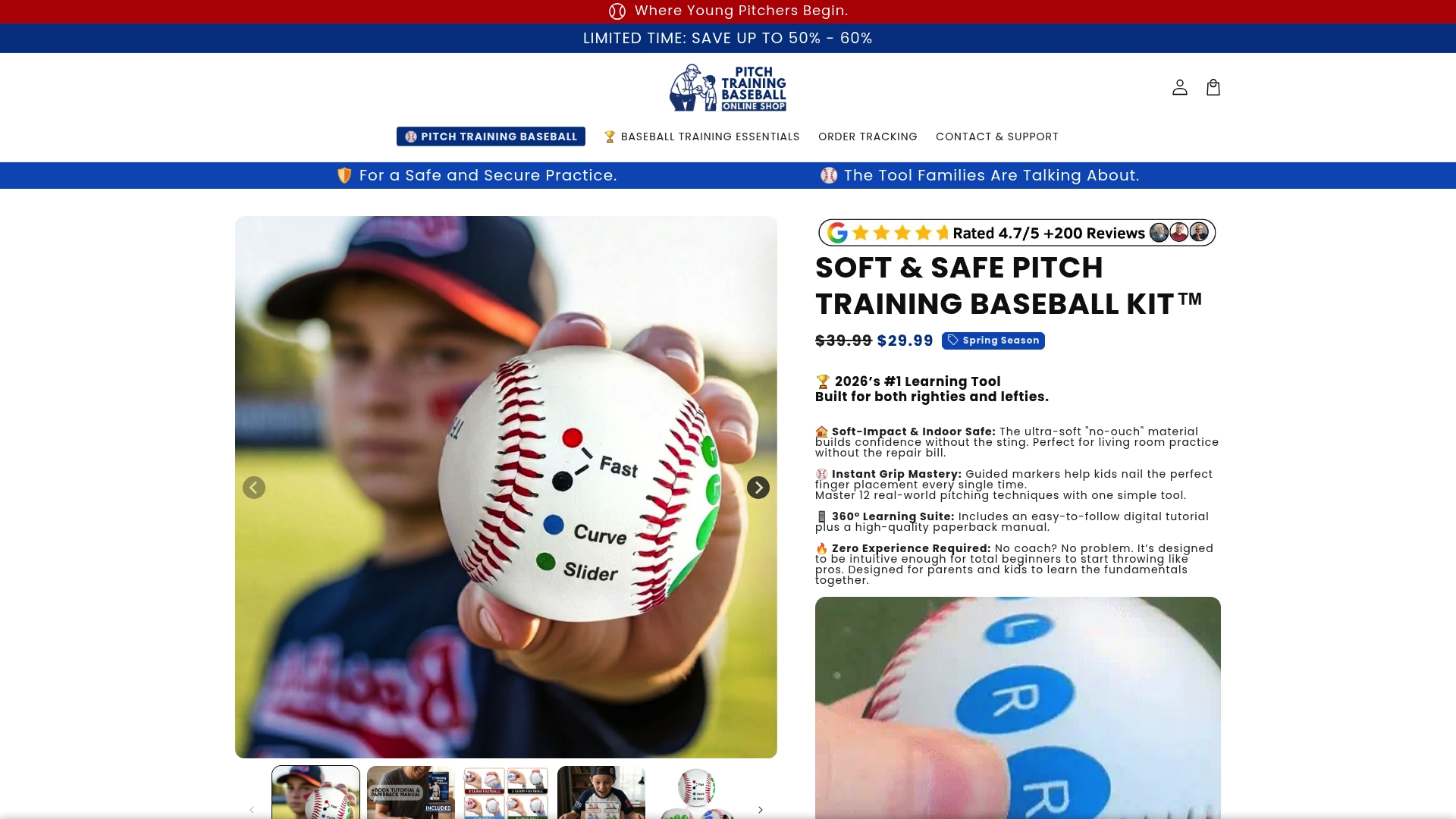
The baseball training essentials collection covers pitching, hitting, and fielding practice in one place. The 9-zone pitching target gives young pitchers immediate visual feedback on every throw, making solo accuracy sessions genuinely productive. Every product is built for youth athletes, designed to travel, and sized for backyards, parks, and garages. If your child is ready to build real skills between team practices, Pitchtrainingbaseball has the gear to make it happen.
FAQ
What are the main benefits of portable baseball training?
Portable baseball training gives young athletes consistent, regulation-quality practice outside formal team settings. The core advantages are flexible scheduling, injury prevention through proper surfaces, and measurable skill improvement from frequent focused sessions.
How often should a youth player use portable baseball equipment?
Three to five short, focused sessions per week produce steady skill gains. Sessions of 20–30 minutes with a clear drill goal outperform infrequent long practices.
Does portable training equipment actually prevent injuries?
Portable pitching mounds built to regulation height reduce injury risk by training correct mechanics from the start. Uneven or unstable surfaces force lower-body compensation that leads to arm and shoulder strain over time.
Can a child practice baseball alone with portable equipment?
Solo-friendly tools like self-toss devices, pitching target nets, and ball-return systems allow independent practice without a parent or coach present. Independent sessions build both skill and self-reliance.
How much does portable baseball training cost compared to facility training?
Mobile training platforms start at $12.99 per month, and a quality portable net and target setup is a one-time purchase. That total cost is significantly lower than recurring batting cage rentals or private lesson fees.