


Training balls are specialized practice tools built to withstand high-repetition drills while developing the mechanics, strength, and coordination young pitchers need to perform in real games. Unlike standard game baseballs, which prioritize flight precision and surface feel, training balls are engineered for durability and feedback. Pitchtrainingbaseball has built its entire product philosophy around this distinction. Whether you are a coach designing a weekly practice plan or a young player grinding through mechanics work, understanding the role of training balls is the fastest way to turn repetition into real improvement.
What is the role of training balls in baseball practice?
Training balls occupy a specific and irreplaceable position in baseball development. They are the bridge between raw athletic potential and refined pitching mechanics, and they do it through one mechanism: volume. A young pitcher cannot throw 200 game balls in a single session without destroying the equipment budget and risking arm fatigue. Training balls solve both problems at once.
Training balls are built from materials like TPU (thermoplastic polyurethane) and PVC with reinforced stitching designed to endure daily practice. Game balls, by contrast, are constructed for flight accuracy and soft touch, properties that degrade quickly under heavy use. This means a training ball can absorb thousands of throws before it needs replacing, while a game ball loses its intended performance characteristics far sooner.
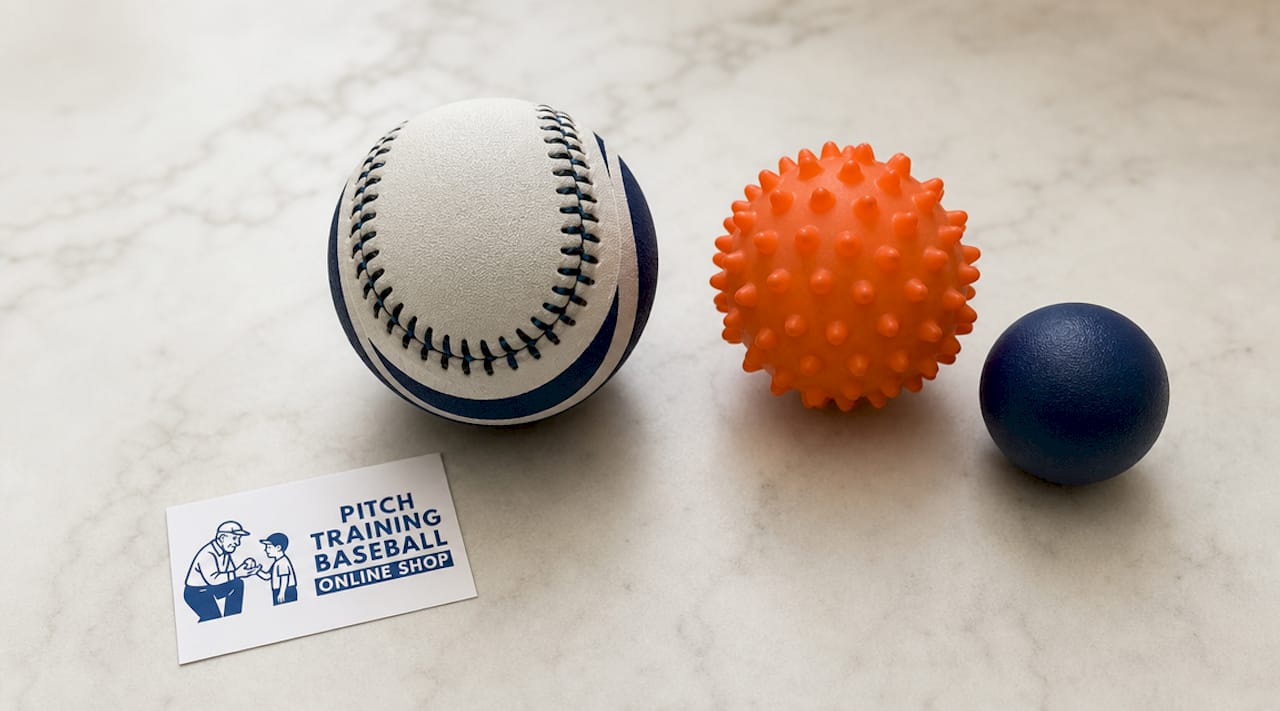
The practical implication for coaches is significant. You can run full-intensity pitching sessions every day without burning through your equipment budget. For players, the benefit is even more direct: high-volume repetition with durable training balls builds muscle memory and prepares players for game conditions more effectively than exclusive use of game balls.
Pro Tip: Label your training balls by type and age so players always grab the right tool for the drill. Color-coded tape on the ball works perfectly for youth teams.
Here is a direct comparison of training balls versus game baseballs across the features that matter most for coaches and players:
| Feature | Training balls | Game baseballs |
|---|---|---|
| Material | TPU, PVC, reinforced stitching | Leather, cork core, wool winding |
| Durability | High. Built for daily repetition | Moderate. Degrades with heavy use |
| Primary purpose | Skill development, mechanics work | Match play, competition |
| Cost per session | Low. Long lifespan spreads cost | High. Frequent replacement needed |
| Feedback quality | Immediate. Designed for technique cues | Minimal. Optimized for flight |
How do training balls improve pitching skills and overall performance?
The training ball benefits for a young pitcher operate across four connected areas: muscle strength, coordination, reaction time, and throwing mechanics. Each one reinforces the others, which is why consistent training ball work produces compounding gains over a season.
Weighted training balls are the most studied tool in this category. Weighted balls enhance muscle strength, coordination, balance, and endurance when used with proper technique and gradual load progression. The key word is gradual. A 10-year-old pitcher should not jump straight to a heavy weighted ball. The load increase must follow the player’s strength development, not the other way around.
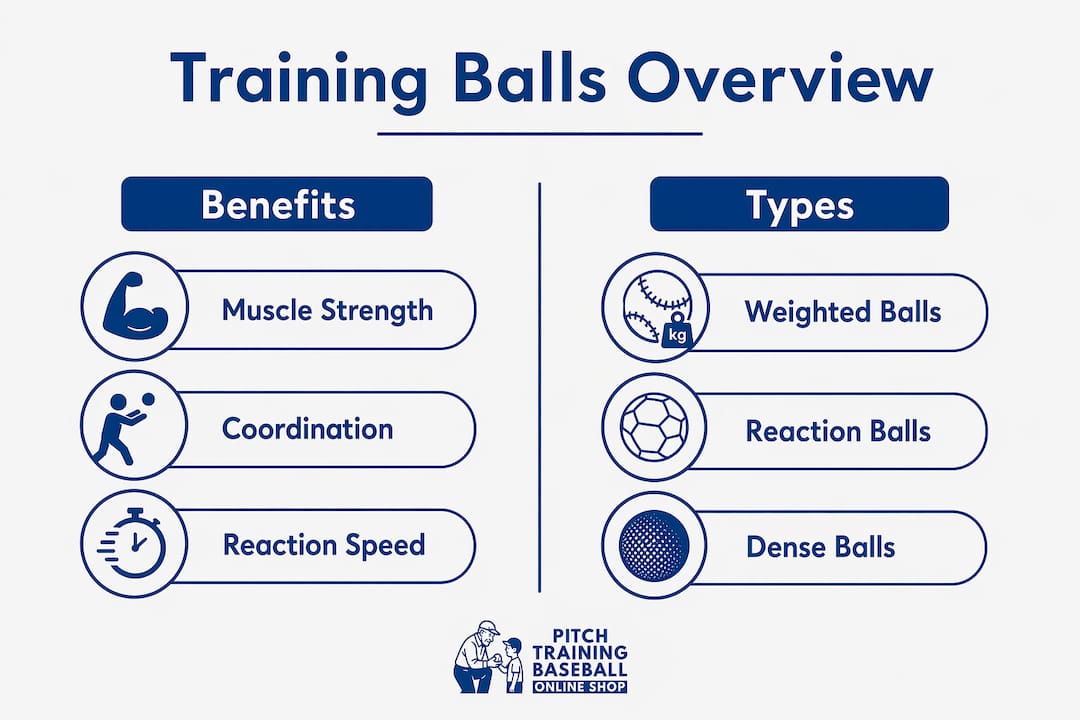
Research on reaction balls provides some of the clearest evidence for training ball effectiveness. Junior athletes using reaction balls showed superior physical and skill-based performance compared to those using traditional methods only, in a study of 24 players where the experimental group outperformed the control group across multiple metrics. This matters because reaction speed and hand-eye coordination are not just fielding skills. They directly shape a pitcher’s ability to read a batter, adjust release points, and maintain control under pressure.
Here is what consistent training ball work specifically develops in young pitchers:
- Arm strength and endurance: Weighted ball progressions build the posterior shoulder and forearm muscles that generate velocity and sustain it through late innings.
- Throwing mechanics: The immediate feedback from a well-designed training ball tells a pitcher when their grip, wrist snap, or release angle is off. Game balls are too forgiving to deliver that signal clearly.
- Hand-eye coordination: Smaller and denser training balls demand higher concentration on every throw, accelerating the development of precise motor patterns.
- Reaction speed: Reaction balls with unpredictable bounce patterns train the nervous system to process and respond faster, a skill that transfers directly to pitching and fielding.
- Mental focus: Working with tools that demand precision keeps young players mentally engaged rather than going through the motions.
Pro Tip: Pair weighted ball work with a free custom training program to make sure load progression matches the player’s actual strength level, not just their age.
What types of training balls are there and how should you use each?
Understanding the types of training balls available lets coaches build a more targeted program. Each variation addresses a different aspect of pitching development, and using them in combination produces better results than relying on a single type.
Weighted training balls
Weighted balls are heavier than standard baseballs, typically ranging from 4 ounces to 16 ounces depending on the training goal. They build arm strength and improve mechanics by forcing the pitcher to engage the full kinetic chain from the legs through the core to the fingertips. Proper technique must come first before increasing ball weight, because improper use with heavy balls creates overuse injuries rather than preventing them. Start young players at minimal weight increases and only progress when mechanics are clean and consistent.
Reaction balls
Reaction balls have an irregular, multi-faceted surface that produces unpredictable bounces when thrown against a wall or the ground. They are outstanding for developing reflexes, hand-eye coordination, and the kind of quick-twitch response that separates good fielders from great ones. Use them in short, focused bursts of 5 to 10 minutes at the start of practice when the nervous system is fresh. The 5 Pickleballs from Pitchtrainingbaseball function similarly, providing reaction-based training that sharpens a player’s response time and coordination.
Smaller and denser training balls
Smaller, denser training balls improve control, precision, muscle memory, and reaction time by providing immediate feedback on technique. When a pitcher grips and throws a ball smaller than regulation, every flaw in their mechanics becomes amplified. This is actually the point. The challenge forces higher concentration and builds the fine motor control that translates directly into command of the strike zone with a regulation ball.
Worn and beat-up training balls
Experienced coaches deploy worn training balls intentionally. Worn balls create unpredictable conditions that improve focus, ball control, reaction speed, and technical adaptability because their irregular surface and altered bounce force players to adjust quickly. A pitcher who can command a scuffed, slightly lopsided training ball will find a fresh game ball far easier to control. Keep a bucket of worn balls specifically for late-practice conditioning work when players need to stay sharp under fatigue.
Here is a practical guide to integrating each type into a weekly training schedule:
- Monday (mechanics focus): Use standard training balls for long-toss warm-up and bullpen work. Emphasize grip and release point.
- Tuesday (strength work): Introduce weighted ball drills for 15 to 20 minutes. Strict technique rules apply. No fatigue throwing with weighted balls.
- Wednesday (reaction and coordination): Open practice with 10 minutes of reaction ball drills. Follow with smaller ball precision throws at 50 percent intensity.
- Thursday (adaptability): Use worn training balls for situational pitching drills. Force players to adjust to imperfect conditions.
- Friday (transfer session): Return to standard training balls or game balls. Players should notice improved command and feel after the week’s varied work.
How to build a training program around baseball training balls
A well-structured program using training balls does not just improve pitching mechanics. It also protects young arms, stretches the equipment budget, and keeps players engaged through varied, purposeful drills.
The foundation of any good program is balance. Training balls are tools for development, not replacements for game ball practice. Players need regular time with regulation baseballs to maintain the feel and flight characteristics they will encounter in competition. A practical split for youth players is roughly 70 percent training ball work and 30 percent game ball work during the off-season, shifting to 50/50 during the competitive season.
Combining training balls with pitching target nets creates a feedback-rich environment that accelerates development of key pitching skills. A target net gives the pitcher an immediate visual result for every throw, reinforcing the connection between mechanics and outcome. This combination is one of the most cost-effective setups available for youth programs with limited field access.
Safety is non-negotiable, particularly with weighted balls. Proper use with progressive load prevents common training injuries, but coaches must monitor technique actively. Review safe baseball training practices before introducing any weighted ball work with players under 14. The arm structures in young players are still developing, and a single overuse injury can set a promising pitcher back by an entire season.
Pro Tip: Rotate your ball types within a single session rather than dedicating entire practices to one type. Variety keeps players mentally sharp and trains multiple skill systems simultaneously.
Budget management is another underrated training ball benefit. Because training balls outlast game balls by a wide margin, teams that invest in a quality set of training balls at the start of the season spend significantly less on equipment over the full year. Worn balls that would normally be discarded can be repurposed as adaptability training tools, extending their useful life and adding a new dimension to practice.
Here are the core best practices for using training balls in a youth baseball program:
- Always warm up with standard training balls before introducing weighted or reaction ball work.
- Set a strict pitch count for weighted ball sessions. Twenty throws at proper mechanics beats fifty sloppy ones.
- Use target nets alongside training balls to give every throw a measurable outcome.
- Rotate ball types across the week to develop multiple skill systems without overloading any single one.
- Retire worn balls to a dedicated bucket rather than mixing them with standard training balls.
Key takeaways
Training balls are the single most cost-effective tool for developing pitching mechanics, arm strength, and game-ready coordination in young baseball players.
| Point | Details |
|---|---|
| Training balls vs. game balls | Training balls are built for durability and feedback; game balls are built for flight and feel. |
| Weighted ball safety | Always master technique before increasing ball weight to prevent overuse injuries in young arms. |
| Reaction ball benefits | Junior athletes using reaction balls outperformed control groups across multiple performance metrics. |
| Worn ball strategy | Intentionally using worn balls builds adaptability and focus that transfers directly to game situations. |
| Program integration | Pair training balls with pitching target nets for a feedback-rich environment that accelerates skill gains. |
Why I think coaches underestimate the worn ball
Most coaches I have worked with invest in weighted balls and reaction balls without a second thought. The worn ball bucket gets ignored, or worse, thrown out. That is a mistake I stopped making years ago.
The worn ball is the most honest feedback tool in your equipment bag. It does not lie. When a pitcher’s mechanics are off, a worn ball exposes it immediately through inconsistent release and unpredictable flight. A fresh training ball is forgiving enough to mask small errors. The worn ball is not. I started keeping a dedicated bucket of scuffed, slightly misshapen balls specifically for the last 15 minutes of practice, when players are tired and their mechanics tend to drift. The results were noticeable within two weeks.
The other myth I hear constantly is that training balls are just for beginners. That is backwards. Advanced pitchers benefit more from training ball variety because they have the mechanics foundation to actually feel the feedback. A beginner throwing a reaction ball is just chasing it around the gym. A pitcher with 18 months of mechanics work will immediately notice what the reaction ball is telling them about their hand position and release.
The 2026 trend I am watching is the integration of weighted ball programs with digital tracking tools. Apps that analyze arm speed and release angle are becoming affordable for youth programs, and pairing them with weighted ball sessions gives coaches data that was previously only available at the professional level. The training ball is not going anywhere. It is getting smarter.
— Albert
Train smarter with Pitchtrainingbaseball’s specialized tools
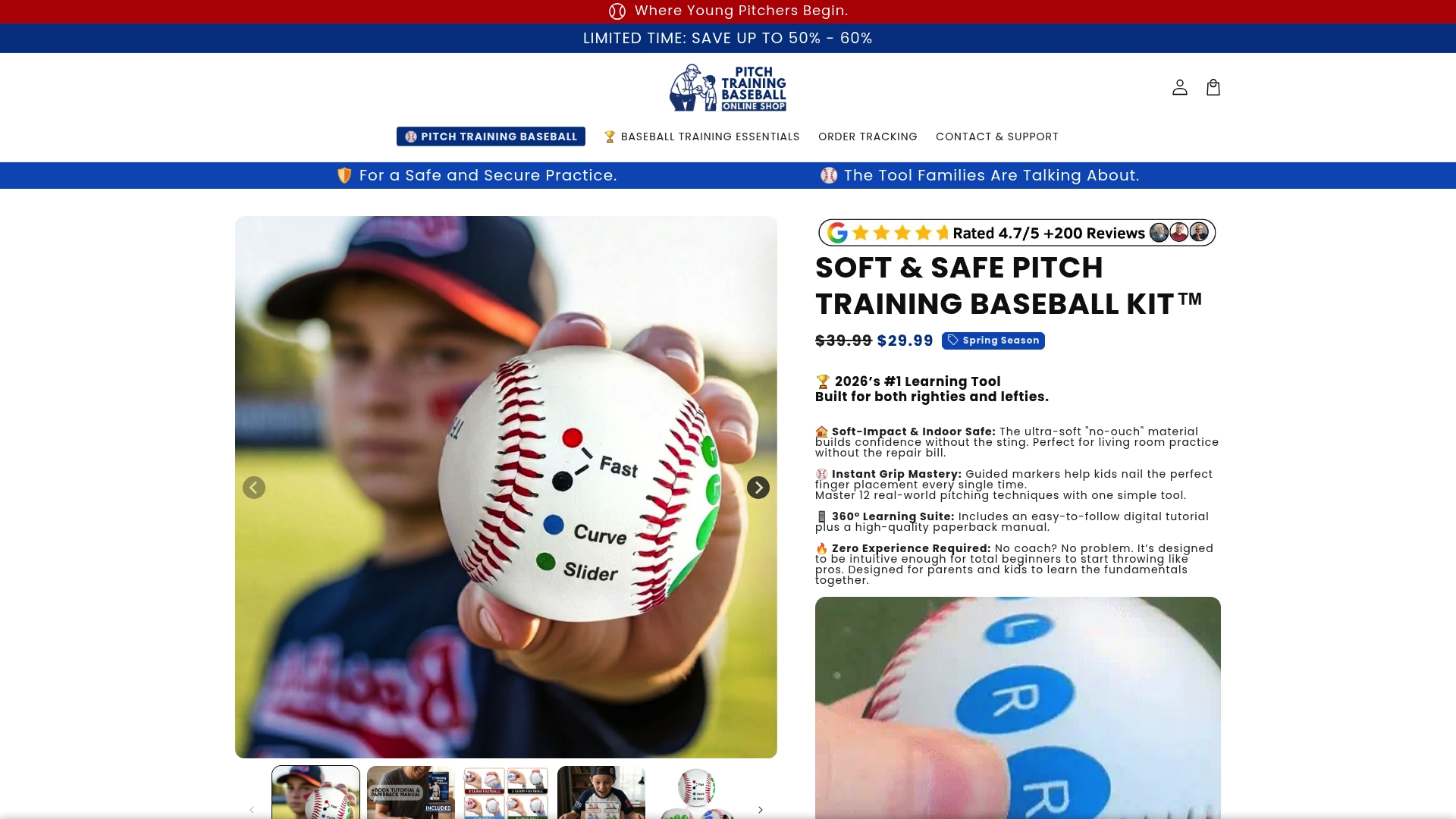
Pitchtrainingbaseball designs training balls and complementary tools specifically for youth pitching development. The Pitch Training Baseball is built for the kind of high-repetition mechanics work described throughout this article, with durability that holds up through full seasons of daily practice. For softball players, the Pitch Training Softball delivers the same focused feedback in a softball-specific design. Pair either ball with the Strike 9-Zone target net to give every throw a measurable target and turn solo practice into a structured skill-building session. Pitchtrainingbaseball builds tools that make consistent, purposeful practice accessible for every young player and coach.
FAQ
What is the role of training balls in youth baseball?
Training balls are purpose-built tools that allow young players to perform high-repetition pitching drills with immediate mechanical feedback. Their durability and design make them more effective than game balls for developing arm strength, coordination, and throwing mechanics.
Are weighted training balls safe for young pitchers?
Weighted training balls are safe when used with proper technique and gradual load progression. Coaches should prioritize mechanics mastery before increasing ball weight, and players under 14 should follow age-appropriate pitch count guidelines.
How do reaction balls improve pitching performance?
Reaction balls develop hand-eye coordination and reflex speed through unpredictable bounce patterns. Research shows junior athletes using reaction balls outperformed peers using traditional methods across multiple physical and skill-based performance metrics.
How often should young players use training balls?
Most youth programs benefit from training ball work three to five days per week, with ball type rotated across sessions. A 70/30 split favoring training balls over game balls works well during the off-season, shifting to 50/50 during the competitive season.
Can worn training balls actually improve a pitcher’s skills?
Yes. Worn balls create unpredictable surface conditions that force players to adjust their grip and release in real time, building the adaptability and focus that directly improve control and consistency with regulation game balls.