


Most coaches and parents believe that the more pitches a young player throws, the better they get. It feels logical: practice makes perfect, right? But a study of 14 skilled pitchers found that skill improvements come from variability and error correction across trials, not raw repetition alone. That single finding changes everything about how we should structure youth pitching practice. In this article, you will learn what game-like pitching practice really means, why error correction is the engine of skill growth, and how to build sessions that actually move the needle for your young pitcher.
Table of Contents
- Understanding game-like pitching practice
- How error correction drives results
- Building engaging and effective practice routines
- Common mistakes and how to avoid them
- Why real-world feedback matters more than repetition
- Youth pitching tools for game-like practice
- Frequently asked questions
Key Takeaways
| Point | Details |
|---|---|
| Feedback drives skill | Real-time feedback on pitch outcomes accelerates learning much faster than basic repetition. |
| Error correction is essential | Game-like practices encourage pitchers to adjust and improve by learning from their mistakes. |
| Engagement increases performance | Youth pitchers stay motivated and improve more when sessions mimic real game situations. |
| Tools make practice easier | Using strike zone nets and outcome tracking tools brings game-like practice to any environment. |
Understanding game-like pitching practice
Let’s be honest about what most pitching practice looks like. A young pitcher stands on the mound, throws 50 pitches in a row to the same spot, and calls it a session. The coach counts the reps, the parent cheers the effort, and everyone goes home feeling productive. The problem is that throwing the same pitch to the same location over and over, without any real consequence or feedback, trains the arm but not the brain.
Game-like pitching practice is built on a different idea. It recreates the conditions a pitcher actually faces in a game: variable targets, immediate outcomes, and the need to adapt from one pitch to the next. When a pitcher throws a ball outside the zone in a real game, the count changes and the pressure shifts. That consequence forces the pitcher to think, adjust, and learn. Traditional repetitive drills strip all of that away.
Research on error correction across pitch trials confirms that skill improvement happens when pitchers receive feedback and must correct mistakes from one throw to the next. Without that feedback loop, the brain has nothing meaningful to learn from. Repetition without context is just exercise, not skill development.
Here is a clear comparison of the two approaches:
| Feature | Traditional practice | Game-like practice |
|---|---|---|
| Target variety | Fixed, single location | Multiple, variable locations |
| Outcome tracking | Rarely measured | Ball/strike, location logged |
| Feedback given | General (“good job”) | Specific (“high and outside”) |
| Pressure/stakes | None | Simulated game situations |
| Adjustment required | No | Yes, pitch to pitch |
| Skill transfer to games | Low | High |
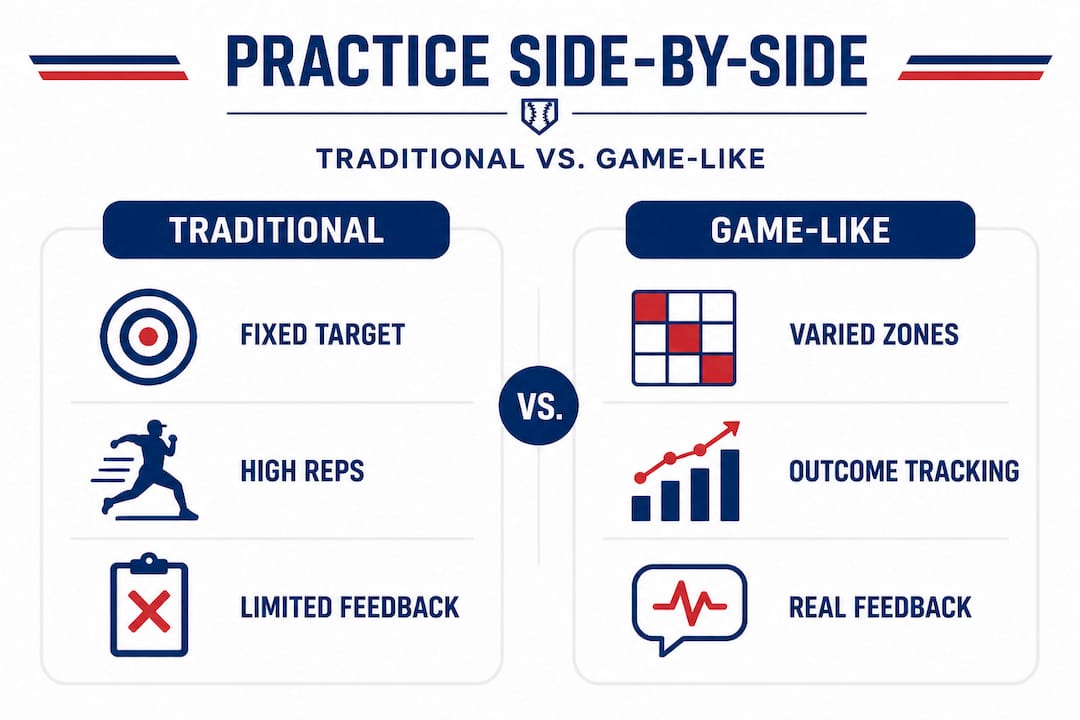
The difference is stark. Game-like practice forces a pitcher to be present, think about outcomes, and make real adjustments. That is exactly what balance and control in young pitchers depends on: the ability to feel what went wrong and fix it on the next pitch.
Key features of effective game-like pitching practice include:
- Outcome tracking: Every pitch is labeled as a ball or strike, hit or miss.
- Variable targets: Pitchers aim at different zones each session, not just the center of the plate.
- Situational framing: “Two outs, runner on second, full count” gives each pitch a purpose.
- Immediate feedback: The pitcher knows right away whether the pitch was on target.
- Adjustment cycles: After a missed pitch, the pitcher identifies the error and corrects it on the next throw.
“The key insight is not how many pitches you throw, but how much you learn from each one. Feedback turns repetition into real skill development.”
This mindset shift is the foundation of everything that follows. Once you understand why game-like practice works, building it into your sessions becomes straightforward and genuinely exciting for young players.
How error correction drives results
Error correction sounds like a technical term, but the concept is simple. When a pitcher throws a ball that misses the target, something went wrong mechanically or in their aim. Error correction is the process of noticing that mistake, understanding what caused it, and making a specific adjustment before the next pitch. This is not about criticizing a young player. It is about giving them the information they need to improve.
The research is clear on this point: pitchers adapt in subsequent trials when outcomes are undesirable, such as a missed strike or poor location. The adaptation only happens when the pitcher actually knows the outcome. If no one tracks whether the pitch was a ball or a strike, there is nothing to adapt to. The brain needs data, even simple data like “that was low and inside,” to trigger the adjustment process.
Here is how error correction looks in practice. A pitcher throws a fastball that misses high. The coach says “high, adjust your release point.” The pitcher makes a small mechanical change and throws again. This time the pitch catches the top of the zone. That sequence, miss, identify, adjust, throw, is one complete error correction cycle. Multiply that across 30 pitches in a session, and you have a practice that builds real skill.
You can also use this simple data table to track error patterns during practice:
| Pitch number | Target zone | Actual location | Error type | Adjustment made |
|---|---|---|---|---|
| 1 | Low inside | High outside | Release too early | Delayed release |
| 2 | Low inside | Low inside | None | Maintain |
| 3 | High outside | Middle | Arm angle | Raised elbow |
| 4 | High outside | High outside | None | Maintain |
Keeping a simple chart like this for even one session reveals patterns that would otherwise go unnoticed. Maybe a pitcher consistently misses high on the first pitch of each inning. Maybe they lose accuracy after throwing more than 20 pitches. These patterns are invisible without tracking, but obvious once you start recording outcomes.
To learn how to fix youth pitching mistakes systematically, follow these steps during every practice session:
- Set a specific target before each pitch. Not just “throw a strike,” but “hit the low outside corner.”
- Watch the outcome and call it immediately. Ball, strike, location description.
- Identify the error type. Was it mechanical (arm angle, release point, stride) or directional (aim was off)?
- Give one focused cue. Not three corrections at once. One specific adjustment.
- Throw the next pitch with that single adjustment in mind.
- Repeat the cycle. Track whether the adjustment worked and move forward.
Pro Tip: Keep a simple notebook at every practice. Write down the target zone, the outcome, and the one adjustment you made. After four weeks, you will see clear patterns in your pitcher’s errors and know exactly where to focus.
When you consistently apply this method, something remarkable happens. Young pitchers start to self-correct. They feel the difference between a good release and a poor one. They start asking questions like “was that high again?” instead of waiting for the coach to tell them. That internal awareness is the real goal, and it only develops when feedback is built into every single pitch.
Understanding and applying improving throwing techniques alongside error correction creates a complete development system. Mechanics matter, but mechanics without feedback are just habits, not skills.
Building engaging and effective practice routines
Knowing why game-like practice works is one thing. Building a session that a 10-year-old actually enjoys and learns from is another challenge entirely. The good news is that game-like practice is naturally more engaging than repetitive drills. Kids love challenges, competition, and clear goals. When you structure practice around those elements, showing up becomes something they look forward to.
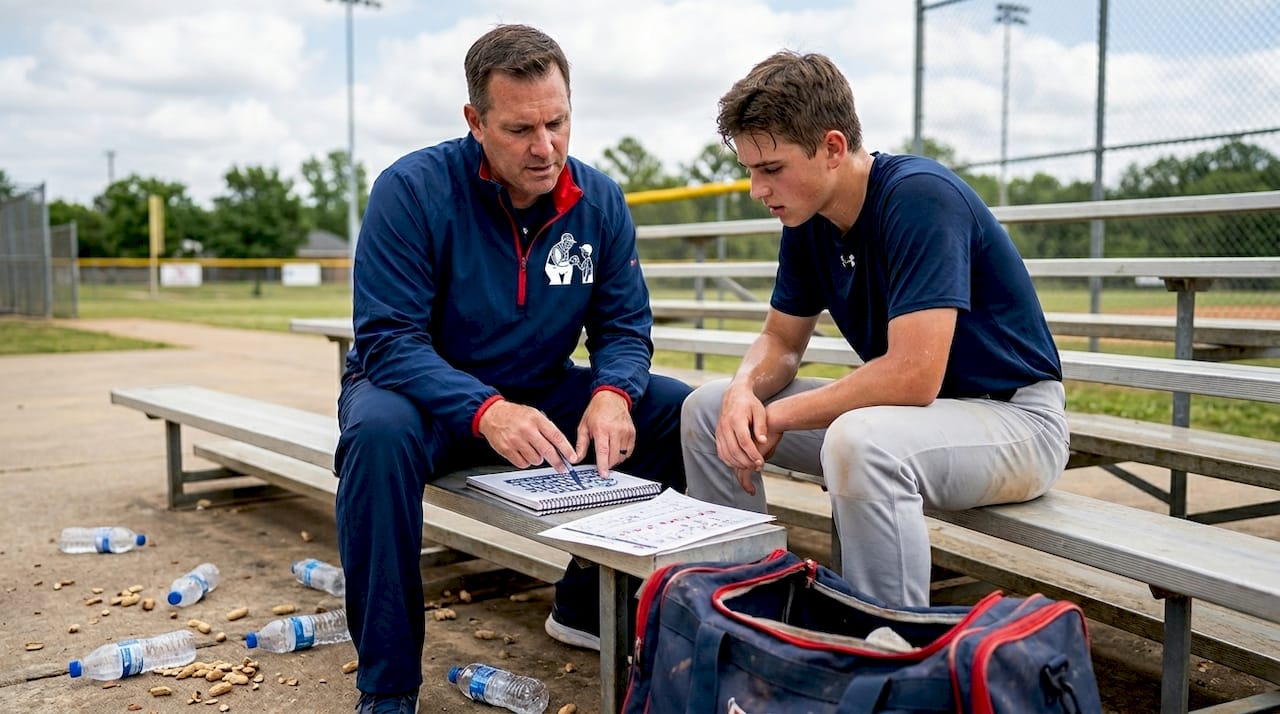
Start with a simple framework: every practice session should include variability, outcome tracking, and at least one situational challenge. Variability means changing the target location from pitch to pitch or every few pitches. Outcome tracking means someone records whether each pitch hit the target. The situational challenge gives the pitcher a reason to care about each throw.
Research confirms that feedback loops tied to outcomes, from pitch to pitch, are what drive improvement. The tools you use matter because they make feedback immediate and visual. A strike zone target net is one of the most effective tools available for this exact reason. The colored zones give the pitcher an instant visual result. They can see exactly where the ball hit, not just hear “that was a little low.” Visual feedback is faster and more memorable than verbal feedback alone.
Here are practical drills you can build into a 45-minute game-like session:
- Zone challenge: Call out a zone (low inside, high outside, middle) before each pitch. The pitcher earns a point for hitting it. First to 10 points wins. This works great as a self-challenge or a friendly competition between two pitchers.
- Count simulation: Start each at-bat at a specific count (0-2, 3-1, full count) and have the pitcher work through the situation. This builds the mental habit of pitching to the count.
- Location rotation: Divide the strike zone into four quadrants and require the pitcher to hit each one in sequence. This builds the ability to locate pitches intentionally rather than just throwing to a general area.
- Consequence pitching: If a pitch misses the zone, the pitcher does five jumping jacks before the next throw. Light, fun consequences keep engagement high and simulate the mild pressure of a real at-bat.
- Pitch type mix: Alternate between fastball and changeup locations. This adds variability in both speed and aim, which is exactly the kind of challenge a real game presents.
Pro Tip: Use a pitching zone knowledge approach and teach your pitcher the names of each zone before you start tracking outcomes. When everyone uses the same language, feedback becomes faster and clearer.
The key to making these drills work is keeping the energy positive and the feedback specific. Celebrate good adjustments, not just good outcomes. If a pitcher misses but immediately identifies the error and corrects it on the next pitch, that is a win. That is exactly the behavior you want to reinforce.
A well-structured 45-minute session might look like this: five minutes of warm-up throws, ten minutes of zone challenge, ten minutes of count simulation, ten minutes of location rotation, five minutes of free pitching with outcome tracking, and five minutes of review. That is a complete, engaging, skill-building session that any parent or coach can run with minimal equipment.
Common mistakes and how to avoid them
Even coaches with the best intentions can fall into habits that slow a young pitcher’s development. Knowing what to avoid is just as important as knowing what to do. Here are the most common pitfalls and how game-like methods solve each one.
Repeating the same drill with no outcome tracking. This is the most widespread mistake in youth pitching practice. A pitcher throws 60 pitches to the same target with no record of where each one landed. The pitcher gets tired, the coach says “good session,” and nothing measurable was learned. Without tracking, there is no data to correct. Without correction, there is no growth.
Overloading pitchers with too many cues at once. Parents and coaches sometimes get excited about fixing everything at once. “Fix your stride, raise your elbow, follow through more, and keep your eyes on the target.” That is four corrections in one sentence. A young pitcher cannot process four changes simultaneously. The result is confusion, tension, and worse mechanics. Stick to one cue per pitch cycle.
Not creating realistic practice pressure or variability. Throwing to the same spot, at the same speed, with no stakes, does not prepare a pitcher for games. Games are full of variability: different batters, different counts, different game situations. As the research confirms, practices that ignore variability miss the chance for trial-by-trial error correction and skill adaptation. If practice never feels like a game, the pitcher will struggle to transfer skills when it counts.
Here is a quick checklist of what to avoid and what to replace each mistake with:
- Avoid: Throwing 50 pitches to one target. Replace with: Rotating targets every 5 pitches.
- Avoid: No outcome records. Replace with: Simple ball/strike log per pitch.
- Avoid: Multiple corrections at once. Replace with: One focused cue per pitch.
- Avoid: No situational context. Replace with: Simulated counts and game scenarios.
- Avoid: Praise only for good pitches. Replace with: Praise for good adjustments after errors.
“The pitcher who learns to correct mistakes quickly is more valuable than the one who only throws well when everything feels right.”
One more mistake worth addressing: treating all pitchers the same. A 9-year-old and a 13-year-old have very different physical and cognitive abilities. Game-like methods scale to any age, but the complexity of the situations and the number of zones you track should match the player’s development level. Start simple, build complexity gradually, and always prioritize confidence alongside skill.
For players who also work on softball pitching, the same principles apply. The softball pitching training tools and game-like methods transfer directly because the underlying skill development process is the same regardless of the ball size or pitching style.
Why real-world feedback matters more than repetition
Here is an uncomfortable truth that most youth baseball programs are not ready to hear: the number of pitches thrown in practice is one of the least important metrics you can track. Yet it is the one most coaches and parents focus on. “He threw 80 pitches today” sounds productive. But if 80 pitches went to the same spot with no feedback, no tracking, and no adjustment, the pitcher learned almost nothing transferable to a real game.
We have seen this pattern play out repeatedly. A young pitcher throws hundreds of pitches in practice, looks sharp in drills, and then struggles in games. The reason is almost always the same: practice did not include the feedback loops and variability that games demand. The pitcher got comfortable with a narrow set of conditions that do not exist in real competition.
The research backs this up clearly. Skill improvements come from variability and error correction across trials, not raw repetition. This is not a minor nuance. It is a fundamental shift in how we should think about what makes practice valuable. The pitcher who throws 40 pitches with full outcome tracking and error correction will develop faster than the one who throws 100 pitches with no feedback. Quality beats quantity every time.
The honest take is this: most coaches default to repetition because it is easy to organize and easy to measure. Counting pitches requires no planning. Building game-like sessions with feedback loops, variable targets, and situational challenges requires thought and preparation. But that extra preparation is exactly what separates programs that produce confident, skilled pitchers from programs that produce players who look good in the bullpen and fall apart in games.
Our recommendation is to track outcomes session by session and adjust your plan based on what you find. If a pitcher consistently misses low and inside, that is your focus for the next week. If they nail location but struggle under pressure, build more situational drills. Let the data drive the plan, not habit or tradition. The pitching balance perspective on connecting physical mechanics to mental adaptability is a great next read if you want to go deeper on this idea.
Real feedback, tied to real outcomes, is the most powerful tool you have. Use it every single session.
Youth pitching tools for game-like practice
Ready to put these ideas into action? The right tools make game-like practice easier to run and more effective for your young pitcher.
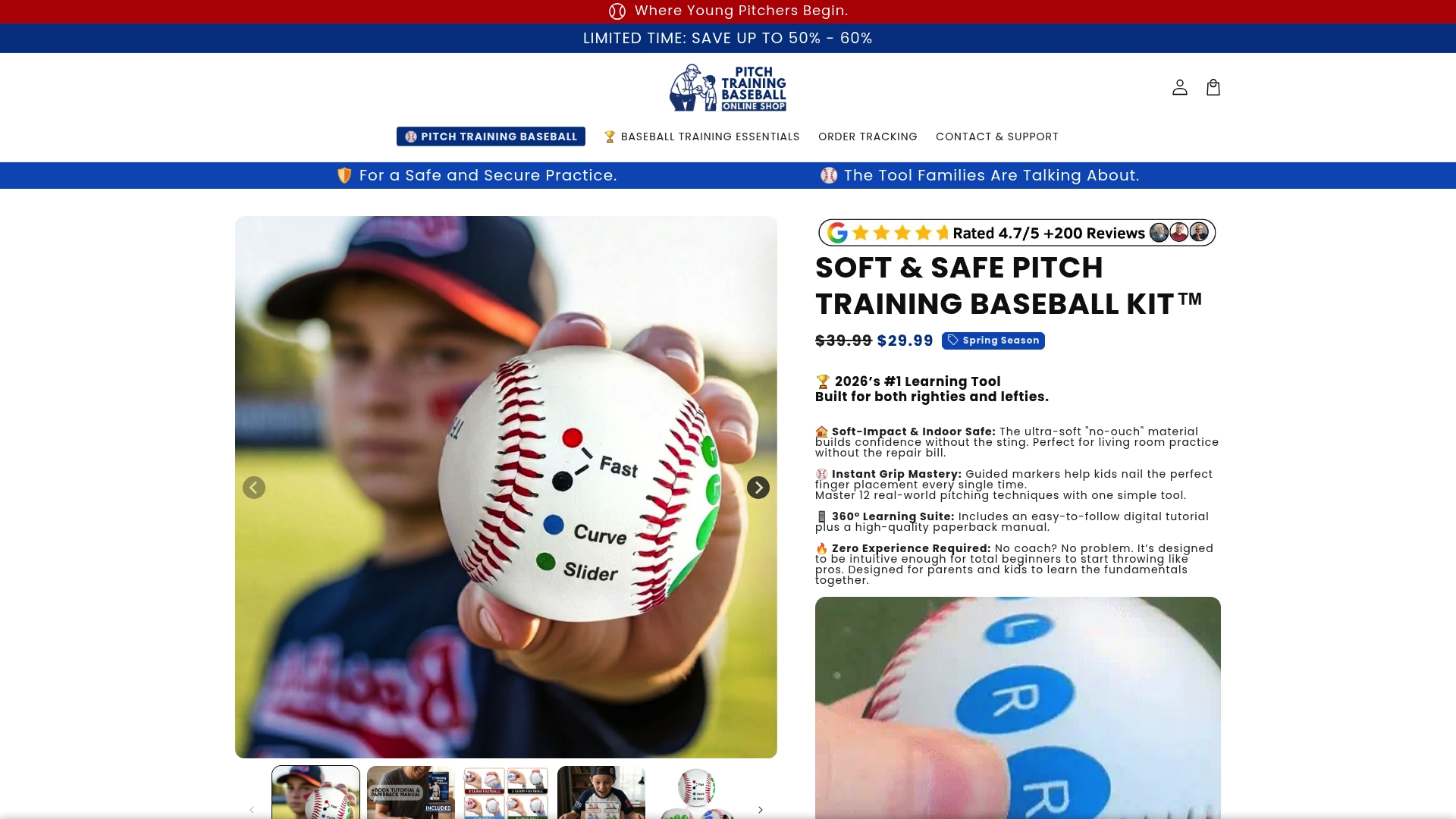
A colorful strike zone net gives instant visual feedback on every pitch, making it easy to track location errors and run zone challenges without needing a catcher. Pair it with a pitch training baseball designed for youth development, and you have everything you need to run a complete game-like session at home or at the field. These tools are portable, adjustable, and built specifically to support the kind of outcome-based, feedback-driven practice that actually builds skills. Whether you are a parent setting up a backyard session or a coach running team practice, the right gear turns good intentions into real progress.
Frequently asked questions
What makes game-like pitching practice different from regular drills?
Game-like practice incorporates real feedback, variability, and outcome tracking, while regular drills rely mostly on repetition without context. Research shows that game-like pitching emphasizes feedback and variability over raw repetition, which is what drives actual skill gains.
How can parents set up a simple game-like pitching session at home?
Parents can use a strike zone net, track pitch outcomes on a simple notepad, and rotate targets to create variability and real-time feedback. Building in feedback loops tied to outcome turns any backyard session into a productive skill-building practice.
What is the main benefit of tracking ball/strike outcomes in practice?
Tracking outcomes lets pitchers learn from their mistakes, make specific adjustments, and build accuracy faster than untracked repetition allows. Error correction from tracking pitch outcomes is the core mechanism behind rapid skill improvement.
How often should youth pitchers practice using game-like methods?
Game-like methods can be used every practice session, not just occasionally, because the feedback loops they create are what drive consistent growth. Research confirms that feedback loops for optimal skill growth should be a standard part of every pitching session, not a special add-on.
Recommended
- Pitching zone knowledge: Boost your young player’s skills – Pitch Training Baseball
- Priority Processing & Fast Packing 🚀 – Pitch Training Baseball
- Pitch Training Softball – Pitch Training Baseball
- Pitching Target Net with Colorful Strike 9-Zone – Pitch Training Baseball
- Step-by-step golf practice routine: improve fast – Aiming Fluid Golf