


Short, scored target drills that reward repeatable, athletic throws build pitching accuracy faster than any other approach for youth players. This article breaks down the specific games worth running, how to scale them by age, and the safety rules that keep young arms healthy while you do it. Skip the long bullpen sessions of just throwing until it “feels right.” Game-like reps with a score attached teach a kid’s arm what a strike actually feels like, and they keep practice fun enough that nobody wants to stop.
TL;DR:
- Using scored target drills like the strike-circle game or bullseye ladder significantly accelerates command development by providing instant, objective feedback and measurable progress.
- Pitch counts should be carefully tracked and kept within age-specific limits, generally around 50 for ages 7-8, 75 for ages 9-10, and 85 for ages 11-12, with rest days mandated after high-volume sessions.
- Warm-ups should prioritize dynamic mobility and low-throw drills, such as towel work and flat-ground throws, to increase command safely without exceeding pitch limits.
- Coaches should focus on key mechanics cues like balance, stride direction, and follow-through, correcting issues after sessions rather than mid-inning, to avoid disrupting performance.
- Running one or two targeted accuracy games per session, with consistent tracking of strike percentage, builds pitch command faster than just increasing throw volume.
Table of Contents
- The Best Pitching Accuracy Games to Run This Week
- Setup, Safety, and the Warm-Up That Comes First
- Reading the Misses: Coaching Cues That Actually Fix Command
- A Sample Practice Session You Can Run in 30 to 45 Minutes
- Why Games Build Command Faster Than Just Throwing More
- Gear That Makes These Games Work
- Sources
The Best Pitching Accuracy Games to Run This Week
Command develops through repetition with feedback, not through volume. A pitcher who throws 40 pitches at a scored target learns more than one who throws 80 with no consequence attached to a miss. Here are the games worth building a practice around, ordered roughly from foundational to advanced.
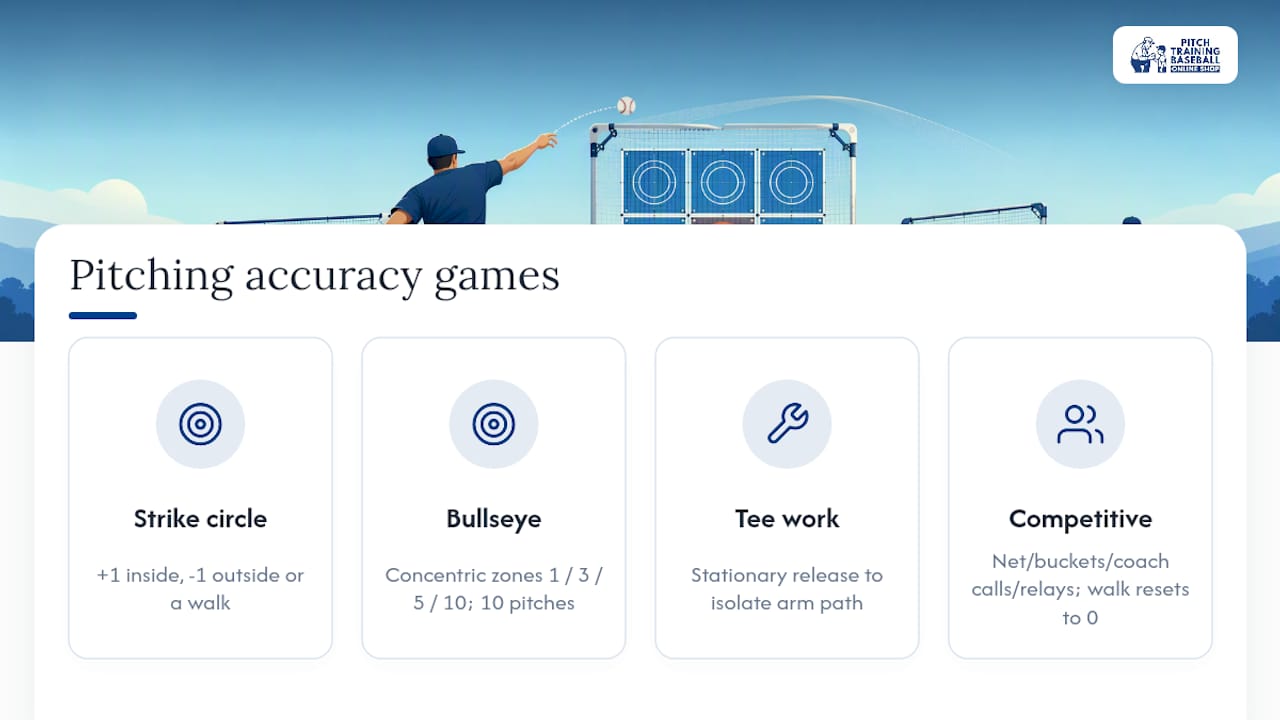
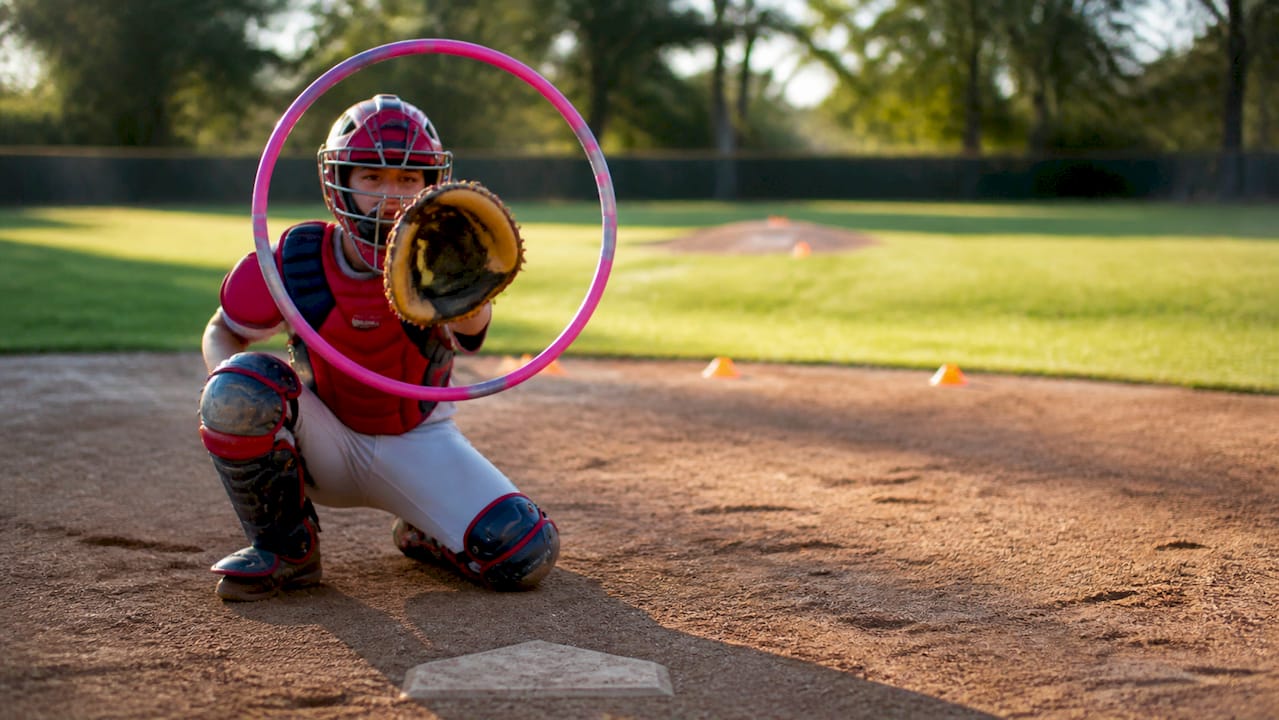
1. The strike-circle scoring game. Draw or imagine a circle around the catcher’s mitt (or have the catcher hold a target inside a hula hoop). Every pitch inside the circle scores +1, every pitch outside it or a walk scores -1. This is the format QC Baseball’s classic accuracy drill is built on, and it works because the scoring is instant and objective. Shrink the circle for advanced 12U pitchers, widen it for 8U beginners who are still learning to repeat a delivery.
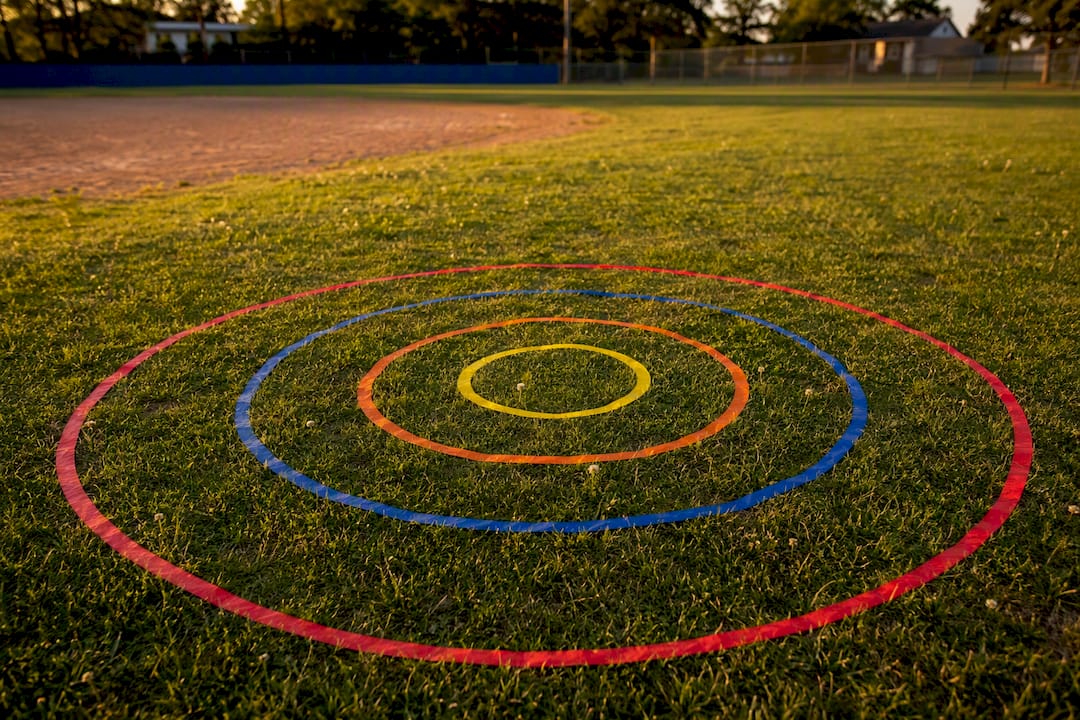
2. Bullseye ladder drill. Set up three or four concentric target zones, worth 1, 3, 5, and 10 points depending on how close to center the ball lands. Pitchers throw a set of 10 and try to beat their own score from the last session. The layered scoring gives struggling pitchers a reason to keep throwing even when they’re missing the bullseye.
3. Tee-to-target accuracy game. Tee work isn’t just for hitters. Have pitchers throw from a stationary release point off a tee-height target line to isolate arm path from lower-body timing, then attach points for hits on colored zones. This isolates one variable at a time, which matters more for a 9-year-old still building body control than for a high schooler.
4. Net and pop-target games. A target net with defined strike zones gives instant visual and audible feedback the moment a ball hits a scoring zone. For indoor practice, a sticky-target poster taped to a wall works nearly as well and costs almost nothing.
5. Bucket and spot-throw competitions. Line up buckets or cones at varying distances and sizes; players call their target before throwing and earn points only for called shots, not lucky ones. This punishes guessing and rewards intent.
6. Around-the-zone location game. A coach or catcher calls a location (high-inside, low-away, middle) before every pitch. Track makes versus misses on a simple tally sheet. This is the closest a bullpen game gets to real at-bats, since a pitcher has to locate on command instead of just grooving one spot.
7. Pressure relay games. Split pitchers into two teams and race to reach 10 strikes first, with a walk resetting the count to zero. This simulates the mental pressure of a real inning without adding throwing volume, since the game ends on strikes, not on a fixed pitch count.
You don’t need a full field to run any of these. A driveway, a garage door, or a fenced-in backyard works fine with soft practice balls and a taped target.
Pro Tip: Rotate games every two or three sessions instead of running the same one on repeat. Pitchers get bored fast, and bored pitchers start rushing their mechanics just to be done.
Setup, Safety, and the Warm-Up That Comes First
You need less equipment than most parents assume. A tee, a bucket of soft practice balls, a target net or taped wall zone, and something to mark a strike circle covers every game above. None of it requires a mound or even a full-size field.
- Tee for isolated release-point work
- Soft or reduced-injury-factor balls for indoor and close-range reps
- A target net or backyard strike-zone target for scored games
- Chalk, tape, or a hula hoop to mark circles and zones
- A notebook or phone note for tracking strike percentage
Pitch counts matter more than most backyard sessions account for. Youth pitching guidelines set firm caps by age. Guidance from Tampa Orthopedic puts the limit around 50 pitches for ages 7 to 8, 75 for ages 9 to 10, and 85 for ages 11 to 12, with mandatory rest days built in after high-volume outings. Games count toward that total the same as bullpens do, so track total throws across the whole session, not just the “official” pitching part.
Statistic Callout: Age-based pitch caps increase with age according to the Tampa Orthopedic guidance above. Our own pitch-count safety guide breaks these limits down by age group in more detail.
Warm up with dynamic mobility work and light band exercises before a single ball gets thrown, then build up through progressive-distance flat-ground throws. Towel work, where a pitcher goes through a full delivery holding a towel instead of a ball, lets you rep mechanics dozens of times without adding a single throw to the pitch count. Veo’s pitching resources recommend exactly this kind of low-volume, high-rep approach for building command safely.
Reading the Misses: Coaching Cues That Actually Fix Command
Young pitchers can only hold onto two or three thoughts at once. Little League’s own coaching guidance is blunt about this: pile on more than a couple of cues and performance gets worse, not better. Stick to these five, and use them one at a time.
- Balance at the top of the leg lift
- Consistent stride direction toward the target every time
- A stable head through release
- A repeatable arm slot and release point
- A full follow-through, not a stop-short arm
Most accuracy problems trace back to just three mechanical breakdowns. Early rotation of the hips before the front foot lands sprays pitches arm-side. A stride that crosses the pivot foot’s midline pulls the ball glove-side. A dropped elbow at foot strike usually sends pitches high. A simple chalk or tape line running from the pivot foot straight toward home plate makes stride-direction errors visible within about 10 throws, a diagnostic Veo’s coaching material recommends specifically because it’s fast and doesn’t require a coach’s trained eye.
Watch for “aiming,” where a pitcher slows their arm speed to guide the ball instead of throwing it athletically. If velocity drops noticeably during a scored game, call it out immediately. Coaches at Sin City Thunder suggest working at 70 to 85 percent effort during command work rather than max effort, but that’s different from steering; effort should stay smooth and athletic, just not maxed out.
Pro Tip: If a pitcher starts missing badly in a game, don’t correct mechanics mid-inning. Let them finish the set, then fix one thing before the next round starts.
A Sample Practice Session You Can Run in 30 to 45 Minutes
Structure beats improvisation, especially with a group of kids who lose focus fast. Here’s a session that fits a typical practice window and gives you something to measure at the end.
- Minutes 0 to 8: Dynamic warm-up and mobility work, no ball involved yet.
- Minutes 8 to 15: Towel drills and flat-ground throws focused on one mechanical cue.
- Minutes 15 to 28: Primary accuracy game, such as the strike-circle scoring drill.
- Minutes 28 to 38: Secondary game, like around-the-zone location calls.
- Minutes 38 to 43: Short, low-volume bullpen at game intensity.
- Minutes 43 to 45: Cooldown and arm care.
Track progress with strike percentage across a fixed set of throws, 20 to 30 per session, logged in a notebook or phone. IMG Academy’s drill philosophy backs this focused approach: three to five drills done well beats a scattered, high-volume session every time. Run this format two to three times a week and increase difficulty only when strike percentage holds steady above a set threshold for two straight sessions, whether that means shrinking the target, adding distance, or calling more specific locations.
Why Games Build Command Faster Than Just Throwing More
I’ve never seen a pitcher’s command improve from volume alone. What actually moves the needle is intent: a target, a score, and a reason to care about the next pitch. Coaches who over-instruct do more harm than good here. Give a kid three cues and a scoreboard, and their body sorts out the rest faster than any lecture on arm angle ever will.
Tools like a target net or a marked strike zone from PitchTrainingBaseball.com make this easier because the feedback is instant and the kid doesn’t need a coach standing over them to know if the pitch counted. Try one game from this list this week. Track strike percentage before and after two sessions. The number won’t lie to you.
— Albert
Gear That Makes These Games Work
Running a scored accuracy game gets a lot harder without a target that gives a clear yes or no on every throw. That’s the gap PitchTrainingBaseball.com’s equipment is built to close.
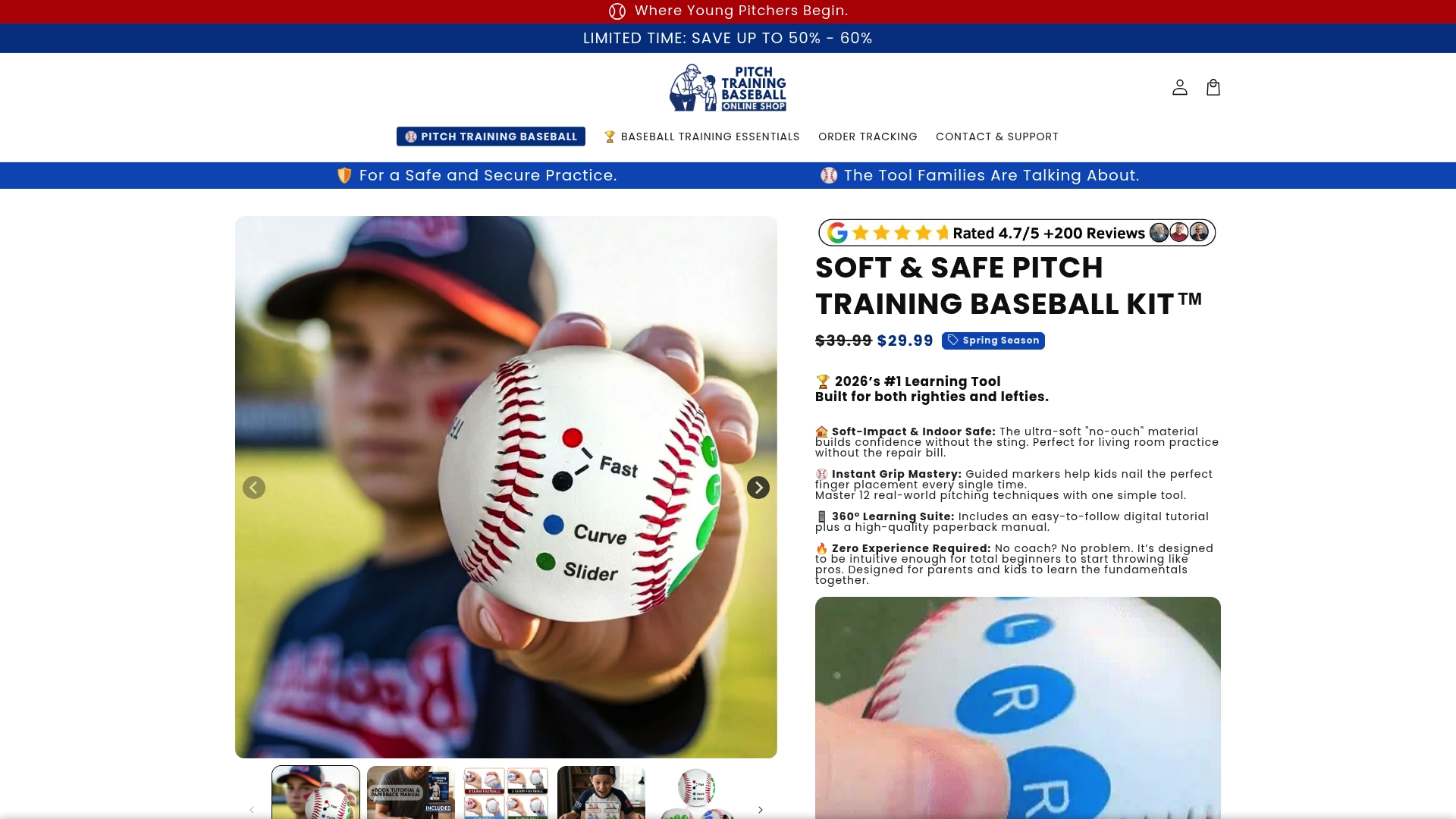
The Pitching Target Net with Colorful Strike 9-Zone turns the around-the-zone location game into something a pitcher can run solo, since each zone is marked and scored without a catcher calling locations. For tee-to-target work and lower-risk indoor reps, soft practice balls reduce the injury risk that comes with hard balls in a garage or basement, letting younger pitchers rep the bullseye ladder drill without a parent worrying about a broken window. Coaches working with softball pitchers can find matching gear on the softball training page as well. If you’re setting up a practice space for the first time, pair a target net with a bucket of soft balls and a simple tee, and you’ve got every game in this article covered for well under the cost of a single private lesson. Browse the full training lineup and pick the setup that matches your pitcher’s age and current skill level.
Sources
- Baseball Pitching Drill: Pitching Accuracy Game
- Baseball pitching drills — Veo
- What are the recommended pitch counts in youth baseball?
Recommended
- What Is Pitch Command? A Guide for Youth Baseball – Pitch Training Baseball
- Game-like pitching practice: Raise youth baseball skills fast – Pitch Training Baseball
- The In-Game Pitching Adjustment Process: A Coach’s Guide – Pitch Training Baseball
- Signs of Accurate Pitching Form: A 2026 Youth Guide – Pitch Training Baseball