


For most young pitchers, the Pitch Training Baseball 5 Pickeballs starter pack is the best all-purpose starting point: age-appropriate sizing, durable cover, and designed specifically for accuracy and control work at home or on the field. Two strong category runners-up: an underweight/light ball set for supervised velocity cueing, and machine-safe dimpled balls for coaches running high-volume bullpen sessions.
Quick picks by need:
-
Best all-purpose starter: Pitch Training Baseball 5 Pickeballs — accuracy, control, home practice
-
Best for velocity cueing (supervised): Underweight/light training ball set — lighter balls reduce elbow varus torque in youth pitchers
-
Best for machine sessions: Jugs Sting-Free / Dimpled Pitching Machine Balls — sting-free, machine-compatible
-
Best real-seam feel: Marucci Youth Practice Baseball DZ — grip and release mechanics
-
Best value team pack: Youth practice baseball DZ pack — economical, consistent reps
One safety note before anything else: for players ages 7–8, pitch-count guidance caps sessions at 50 pitches; ages 9–10 at 75; ages 11–12 at 85. Weighted-ball programs carry real injury risk for skeletally immature athletes. A 6-week weighted-ball program produced a 24% injury rate in the experimental group. Mechanics and age-appropriate weight come first, always.
Table of Contents
- How the top training balls for young pitchers compare
- How to choose the right training ball for a young pitcher
- How to use each ball type safely in practice
- Safety first: arm health, pitch counts, and when to avoid weighted programs
- Final verdict: best pick by use-case
- Key Takeaways
- The case for mechanics over velocity programs
- Pitchtrainingbaseball’s starter pack is built for this
- Sources and further reading
How the top training balls for young pitchers compare
| Product | Best for | Age / Weight | Material & Seam | Pack Size / Price Range | Machine Compatible | Recommended Drills | Safety Notes |
|---|---|---|---|---|---|---|---|
| Pitch Training Baseball — 5 Pickeballs | Accuracy, control, home practice | Ages 7–14 / regulation-adjacent | Synthetic, durable cover | 5-pack / $ | No | Target work, flat-ground accuracy | Age-appropriate; safe for unsupervised home use |
| SKLZ Pitch Training Baseball | Mechanics feedback, backyard use | Ages 7–14 / near-regulation | Synthetic, molded seams | Single / $ | No | Grip drills, release-point work | Low-risk; check diameter vs. regulation |
| Jugs Sting-Free / Dimpled Pitching Machine Balls | High-volume machine sessions | Ages 9+ / regulation weight | Dimpled synthetic, no seam | 12–24 pack / $$ | Yes (Jugs machines) | Machine bullpen, timing drills | Confirm machine model compatibility |
| Heater pitching machine baseballs | Budget machine use | Ages 9+ / regulation weight | Synthetic, minimal seam | 12–24 pack / $ | Yes (Heater machines) | Machine repetition, batting practice | Verify machine brand compatibility |
| Weighted plyometric baseball set (5-weight set) | Advanced constraint drills, arm path | Ages 14+ under supervision | Leather or synthetic, real seam | 5-ball set / $$$ | No | Slow constraint drills, arm-path retraining | High injury risk for younger athletes; coach required |
| Baseball Express Weighted Training Ball | Targeted overload work | Ages 14+ under supervision | Synthetic, real seam | Single / $$ | No | Constraint drills, deliberate arm-path work | Not for youth without medical/coach clearance |
| Bownet 9" Ballast Weighted Training Ball With Seams | Overload training with seam feedback | Ages 14+ under supervision | Synthetic, real seams | Single / $$ | No | Slow-motion arm-path drills | Same weighted-ball cautions apply |
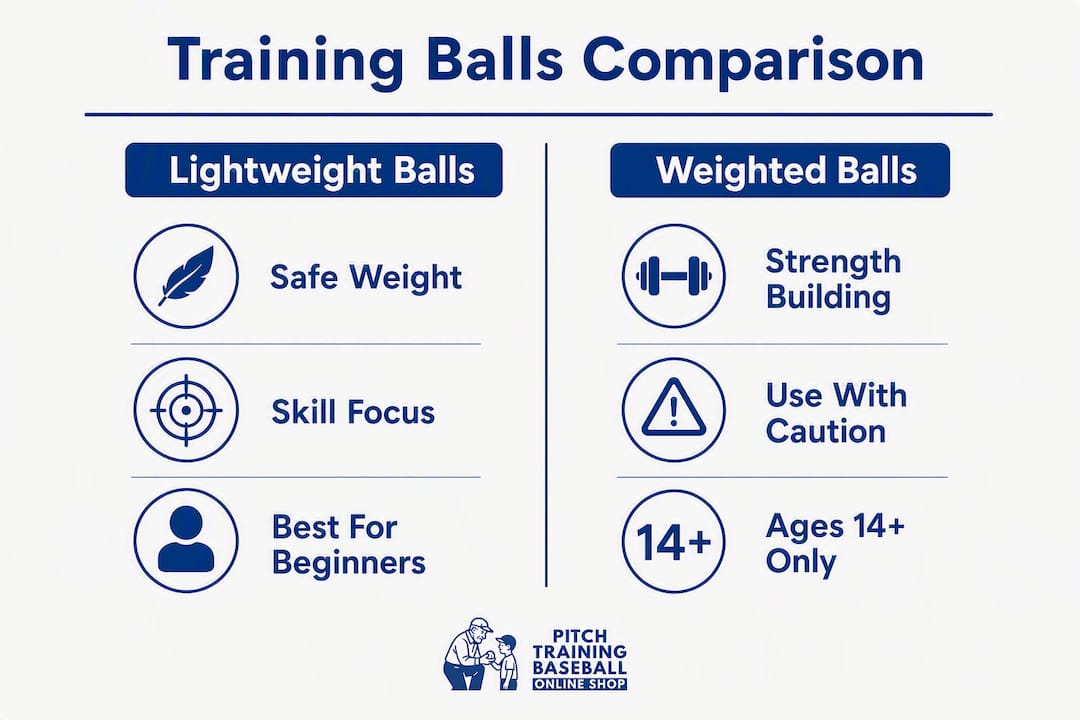
| Underweight/light training ball set | Velocity cueing, arm-speed drills | Ages 10–14 / 3–4 oz | Synthetic, minimal seam | Multi-pack / $$ | No | Arm-speed cueing, short-distance throws | Lower torque profile; still limit volume |
| Weighted/overload training ball set (generic) | Overload/underload programs | Ages 14+ / 6–7 oz | Varies | Multi-pack / $$ | No | Constraint and overload progressions | Misuse risk is high for younger players |
| Machine-safe sting-free / dimpled balls (generic) | Frequent machine sessions | Ages 9+ / regulation | Dimpled synthetic | Bulk pack / $ | Yes | Machine bullpen, high-rep timing | Confirm machine compatibility label |
| Real-seam youth practice baseball (DZ-style) | Seam awareness, grip, release | Ages 9–14 / regulation | Real seam, leather or synthetic | 6–12 pack / $$ | No | Four-seam grip drills, breaking-ball cues | Standard practice ball; low risk |
| Machine-compatible durable baseballs (Heater/Jugs-style) | Long-term machine durability | Ages 9+ / regulation | Synthetic, durable | Bulk pack / $$ | Yes | Machine bullpen, high-volume reps | Check machine spec sheet |
| Youth practice baseball DZ pack (generic) | Team practice, mechanical reps | Ages 7–14 / regulation | Synthetic or leather | 12+ pack / $ | No | Flat-ground mechanics, catch | Standard practice; no special supervision |
| Marucci Youth Practice Baseball DZ | Seam feel, game-transfer mechanics | Ages 9–14 / regulation | Real seam, leather | 12-pack / $$ | No | Four-seam grip, spin drills | Standard practice ball; low risk |
| Pitch Training Baseball (core product) | All-purpose skill development | Ages 7–14 | Synthetic, durable | Pack / $ | No | Accuracy, control, target work | Designed for safe youth use |
Pitch Training Baseball 5 Pickeballs is the strongest all-purpose starter. It covers accuracy, control, and home practice without the injury concerns that come with weighted implements.
- Jugs Sting-Free balls are the go-to for coaches running machine-heavy programs. The dimpled surface reduces sting and machine wear, but confirm your machine model before ordering.
- Weighted sets (5-weight plyometric, Baseball Express, Bownet Ballast) belong in programs for athletes 14 and older, under direct coach or clinician supervision. The evidence on velocity gains is inconsistent across studies, and the risk profile for younger players is not worth it.
- Marucci Youth Practice Baseball DZ and the real-seam DZ-style packs are the right choice when a pitcher needs to feel the seams for grip and spin work. That seam feedback transfers directly to game pitches.
Pro Tip: Pair any training ball with a strike-zone target net to turn every rep into accuracy feedback, not just arm exercise.
How to choose the right training ball for a young pitcher
Run through this checklist before buying anything:
- Confirm the player’s age and physical maturity. Weighted balls above regulation weight are not appropriate for athletes under 14, and even then require coach oversight. For ages 7–12, stick to regulation-weight or lighter balls.
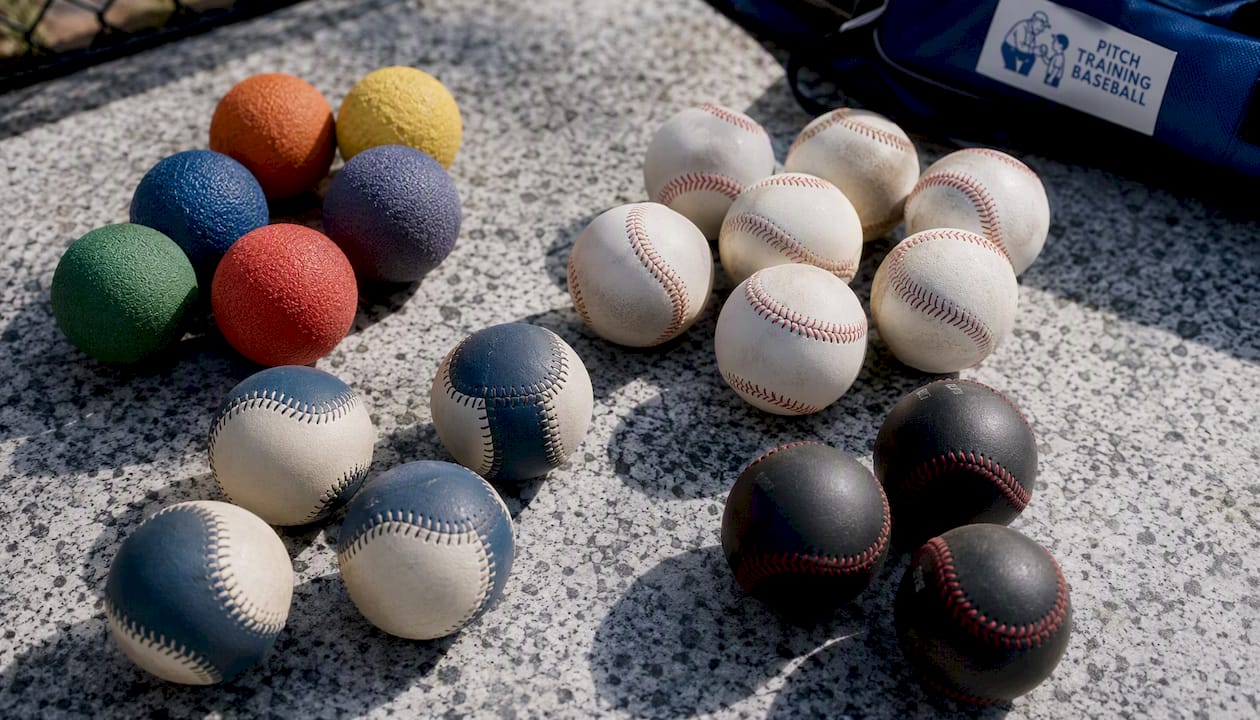
- Define the training goal. Accuracy and mechanics? A standard practice ball or Pickeballs-style trainer. Velocity cueing? A light underweight set. Machine work? A dimpled, machine-compatible ball. Seam awareness? A real-seam practice pack.
- Check the practice environment. Backyard or bedroom? Soft, synthetic balls reduce damage risk. Bullpen with a machine? You need machine-rated balls. Team practice on a field? A bulk DZ pack makes sense economically.
- Ask about machine compatibility before buying. Not all balls labeled “training” are safe for pitching machines. Look for manufacturer-stated compatibility and “sting-free” or “dimpled” labels.
- Evaluate seam type. Real seams improve grip and spin feedback. Molded or dimpled surfaces serve machine use and sting reduction. Match the seam type to the drill.
- Check diameter tolerance and bounce consistency at purchase. Squeeze the ball, feel the seam height, and bounce it once on a hard surface. Inconsistent bounce or a soft spot signals poor quality control.
- Set a realistic budget and pack size. A 5-pack starter is right for individual home practice. A 12-pack or bulk DZ pack fits team settings. Weighted sets cost more per ball and serve a narrower purpose.
Age and weight guidelines follow directly from pitch-count research. Common recommendations cap young pitchers at 50 pitches per session for ages 7–8, 75 for ages 9–10, and 85 for ages 11–12. Weighted-ball programs add stress on top of those pitch counts. Research on maturation and training effects also shows that velocity gains in youth athletes often reflect natural growth rather than the program itself, which makes a mechanics-first approach the smarter long-term bet.
Red flags to avoid: any program prescribing heavy overload balls for athletes under 14; high-volume velocity sessions without rest days; sellers who cannot confirm machine compatibility; and any ball that feels noticeably soft or misshapen out of the package.
For supplemental arm strength development alongside ball work, pair training sessions with age-appropriate scapular and rotator cuff exercises rather than adding more ball volume.
How to use each ball type safely in practice
Standard practice balls and Pickeballs-style trainers
- Warm up with 10–15 light tosses at 50–60% effort before any drill work.
- Use flat-ground accuracy drills: aim at a target from 30–45 feet, focusing on hip-shoulder separation and release point.
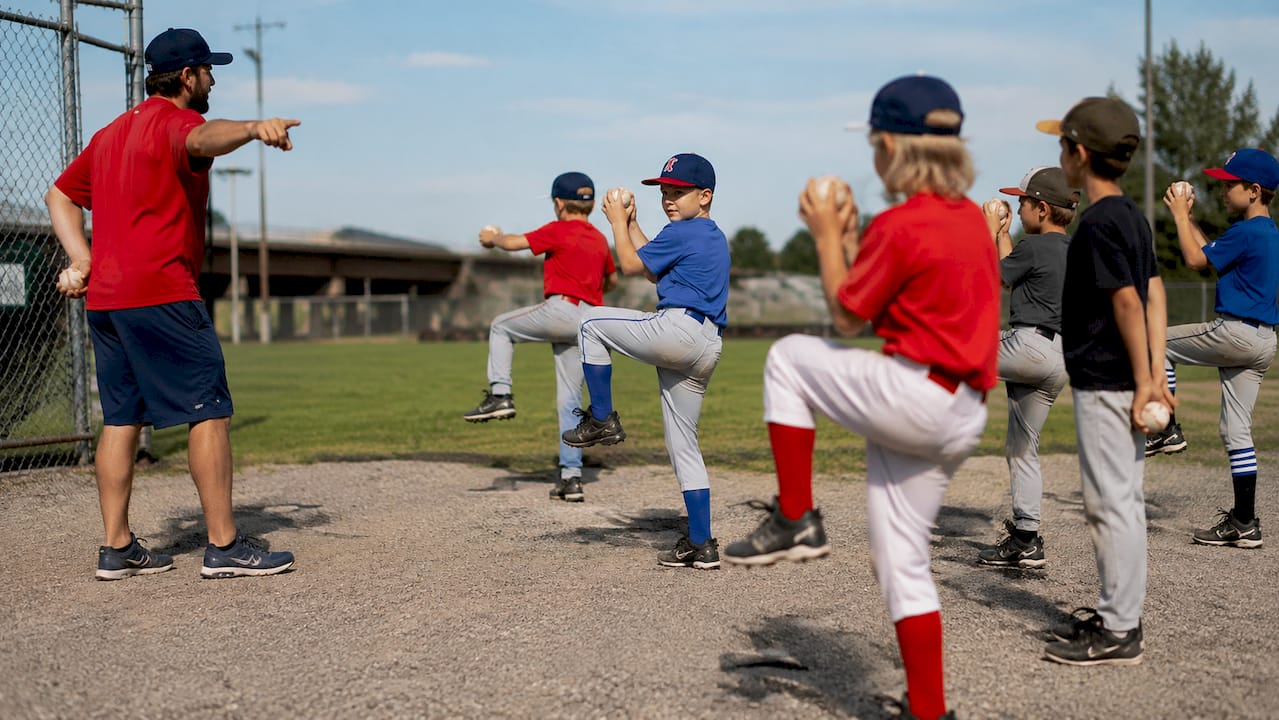
- Keep sessions to 30–45 minutes for younger players; stop at the first sign of arm fatigue.
- Towel drills offer a zero-stress alternative for teaching arm extension and release mechanics, especially for beginners or players returning from rest.
Underweight/light balls (3–4 oz)
- Use for arm-speed cueing only, not high-volume bullpen work.
- Short-distance throws (30–45 feet) at controlled effort, 10–15 reps per set.
- A 15-week program using 3 oz and 4 oz balls produced average fastball velocity increases of approximately 4.8 mph with no training-related injuries, but that result came from a structured, supervised protocol, not casual backyard sessions.
- Always pair with a coach or experienced adult who can monitor mechanics.
Weighted/overload balls (6–7 oz and above)
- Reserve for athletes 14 and older with a coach present.
- Use only in slow, deliberate constraint drills focused on arm path and timing, not full-effort pitches. Applied trainers recommend heavier balls strictly for constraint work, never for high-volume sessions.
- Limit to 10–15 reps per session; pair with scapular and rotator cuff strengthening.
- Stop immediately if the player reports elbow or shoulder discomfort.
Machine-safe dimpled balls (Jugs, Heater, generic)
- Confirm machine compatibility before the first session.
- Run machine bullpen sessions at 60–70% of max speed to start; increase gradually over multiple sessions.
- High-volume machine work still accumulates pitch stress. Track total pitches across all sessions, not just live bullpen counts.
Pro Tip: For pitchers under 10, skip weighted implements entirely. Two short mechanics-focused sessions per week with a standard practice ball or Pickeballs trainer, each under 30 minutes, will produce more durable improvement than any velocity program at that age.
Safety first: arm health, pitch counts, and when to avoid weighted programs
The research on weighted-ball programs is genuinely mixed, and the risk profile for young pitchers is not trivial. A 6-week weighted-ball program produced a 24% injury rate in the experimental group, including four elbow injuries, compared to controls. A systematic review found reported velocity improvements ranging widely across studies, but study quality and protocol differences make firm conclusions difficult.
One specific biomechanical concern: weighted-ball programs have been associated with an 8-degree increase in passive shoulder external rotation after as few as 27 submaximal throws with heavy balls. That ROM change is linked to shoulder instability and higher injury risk, particularly in athletes whose growth plates are still open.
The PMC safety review puts it plainly: a “safety envelope” for weighted-ball variables likely exists, but current research has not defined it for skeletally immature athletes. Until it does, conservative is the right default.
Pitch-count limits to follow:
- Ages 7–8: 50 pitches per session maximum
- Ages 9–10: 75 pitches per session maximum
- Ages 11–12: 85 pitches per session maximum
Stop training and consult a clinician or certified coach if you observe:
- Any elbow or shoulder pain during or after throwing
- A sudden change in arm mechanics or release point
- Noticeable loss of velocity without an obvious cause
- Complaints of numbness or tingling in the hand or fingers
- Sudden increase in shoulder range of motion (a warning sign, not a positive adaptation)
For a full picture of safe arm development across age groups, the Pitchtrainingbaseball resource library covers progressive timelines and conditioning guidance alongside ball-based training.
This article provides general training information, not medical advice. Consult a sports medicine clinician or certified pitching coach before starting any weighted-ball program.
Final verdict: best pick by use-case
- Best all-purpose starter (ages 7–14): Pitch Training Baseball 5 Pickeballs. Age-appropriate sizing, durable synthetic cover, and designed for accuracy and control work at home or on the field. The right starting point for the vast majority of young pitchers.
- Best for seam awareness and grip work: Marucci Youth Practice Baseball DZ or a real-seam DZ-style pack. Real seams transfer directly to game-pitch mechanics.
- Best for machine-heavy programs: Jugs Sting-Free / Dimpled Pitching Machine Balls. Confirmed machine compatibility, reduced sting, and built for repeated use.
- Best for supervised velocity cueing (ages 10–14): Underweight/light training ball set. Lower torque profile, structured protocol required.
- Best for advanced constraint work (ages 14+, coach supervised): Weighted plyometric baseball set (5-weight). Use only in slow, deliberate drills with a qualified coach present.
The Pitch Training Baseball starter pack earns its top spot not because it does everything, but because it does the right things for the widest range of young players without adding injury risk.
Key Takeaways
The most effective training ball for a young pitcher is the one that matches their age, development stage, and practice environment, with mechanics prioritized over velocity at every stage.
| Point | Details |
|---|---|
| Age-appropriate weight first | Weighted balls above regulation are not safe for athletes under 14; stick to regulation or lighter. |
| Pitch counts protect young arms | Cap sessions at 50 pitches for ages 7–8, 75 for ages 9–10, and 85 for ages 11–12. |
| Underweight balls offer a safer velocity option | A 15-week light-ball program produced ~4.8 mph velocity gains with no training-related injuries in a supervised study. |
| Weighted programs carry real risk | A 6-week weighted-ball program produced a notable injury rate in the experimental group; use only with coach oversight for athletes 14+. |
| Pitchtrainingbaseball starter pack | The 5 Pickeballs pack is the recommended all-purpose starting point for young pitchers focused on accuracy and control. |
The case for mechanics over velocity programs
Coaches face real pressure from parents who want to see velocity numbers move. It’s understandable. Radar guns are visible; mechanics improvements are not. But the research keeps pointing in the same direction: for athletes under 14, most velocity gains attributed to training programs are at least partly explained by natural growth and maturation. Chasing velocity with weighted implements at age 10 or 11 is not just unnecessary — it carries documented injury risk that can derail a player’s development entirely.
The smarter approach is two short mechanics-focused sessions per week with a standard practice ball or Pickeballs-style trainer, each capped well within pitch-count limits, plus one low-volume arm-speed session with a light ball once the player is 10 or older and under direct supervision. That microcycle builds the movement patterns that produce velocity naturally as the athlete matures, without loading joints that are not ready for it.
One thing coaches consistently underestimate: seam feedback. A real-seam practice ball teaches grip and spin awareness that transfers directly to game situations. That is a mechanical gain you can see in pitch quality, not just on a radar gun.
Pitchtrainingbaseball’s starter pack is built for this
Skipping the guesswork on which ball to start with is exactly what the Pitch Training Baseball 5 Pickeballs pack is designed for. Five age-appropriate training balls in one order, sized and weighted for young pitchers working on accuracy and control, with a durable synthetic cover that holds up to backyard and field use.
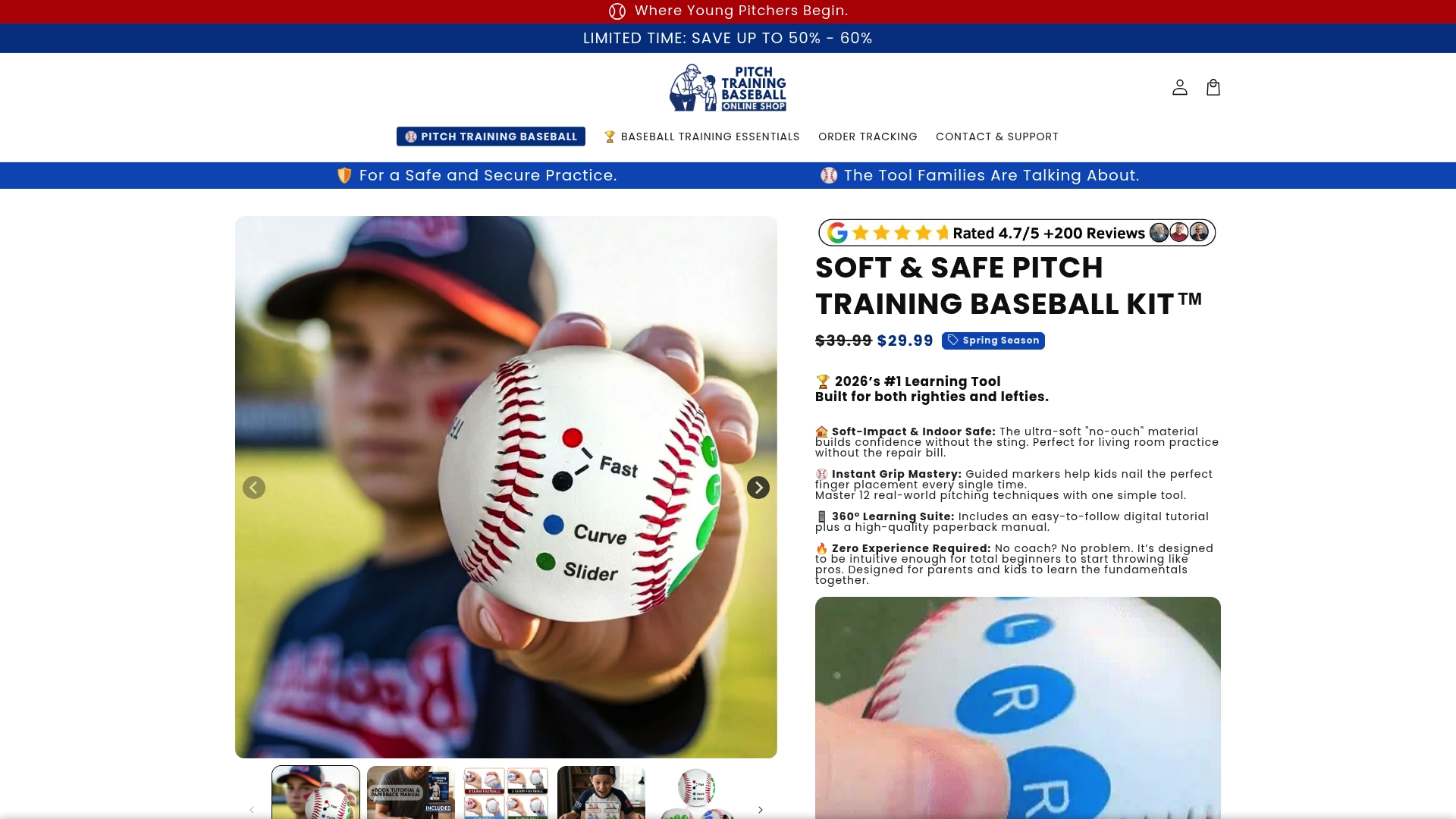
The pack aligns with everything covered in this article: regulation-adjacent weight that keeps sessions safe within pitch-count limits, a design built for target and flat-ground accuracy drills, and no machine-compatibility concerns to navigate. Pair it with the Pitching Target Net with Colorful Strike 9-Zone and every session has a clear accuracy goal built in. Head to the product page to check availability and order.
Sources and further reading
The recommendations in this article draw on published biomechanical research, prospective studies, and systematic reviews. Key sources:
- Kinematics and kinetics of youth baseball pitching with standard and lightweight balls — Biomechanical study on how lighter baseballs affect joint loading in youth pitchers; supports lighter-ball recommendations.
- Weighted-ball throwing in youth pitchers: pitch speed mediates elbow and shoulder kinetic differences across ball weights (SportRxiv) — Motion-capture study comparing elbow and shoulder torque across 4 oz, 5 oz, and 6 oz conditions in youth pitchers.
- The Safety and Efficacy of Weighted Baseballs — PMC review — Systematic review of weighted-ball program safety and efficacy; basis for conservative recommendations.
- Effect of a 6-Week Weighted Baseball Throwing Program on Pitch Velocity (SAGE Journals) — Prospective study reporting 24% injury rate in the weighted-ball group; cited in safety guidance.
- Training with lighter baseballs increases velocity without increasing injury risk (SAGE Journals) — 15-week study supporting underweight ball use for youth velocity programs.
- Weighted-Implement Training for Baseball Pitchers: Systematic Review (SAGE Journals) — Reviews variable velocity outcomes and protocol heterogeneity across weighted-ball studies.
- Baseball pitching drills — Veo — Pitch-count guidelines by age group and drill recommendations including towel drills.
- The use of weighted ball throwing programs in youth baseball: a critical review — Sideline Science — Reviews ROM changes and instability risks associated with weighted-ball programs.
- PubMed — maturation vs. training effects in youth athletes — Commentary on how natural maturation accounts for part of observed velocity gains in youth programs.
- Grady’s Pitching School — training notes — Applied coaching guidance on drill design, constraint work, and session structure.
- The role of training balls in youth baseball pitching — Pitchtrainingbaseball — Overview of how different training ball types fit into youth practice plans.
- Top pitching workouts for youth baseball: build skill safely — Pitchtrainingbaseball — Practice routines and microcycle templates for young pitchers.