


Pitcher fielding practice (PFP) is the structured set of defensive drills that trains pitchers to field their position after every pitch. The best list of fielding drills for pitchers includes the 3-in-1 Pickoff Drill, the 3-in-1 Bunt Drill, the Come-Backer Drill, the Squeeze Attempt Defensive Drill, and the Pitcher Covers First Drill. These five drills cover the most common defensive situations a pitcher faces in a real game. Short, focused sessions run daily build the muscle memory and decision-making speed that separate good pitchers from great ones.
1. What are the key fielding drills every youth pitcher should practice?
The core PFP drills cover multiple defensive scenarios efficiently without burning out a young arm. Each drill below targets a specific game situation. Coaches should run all five in a single session whenever possible.
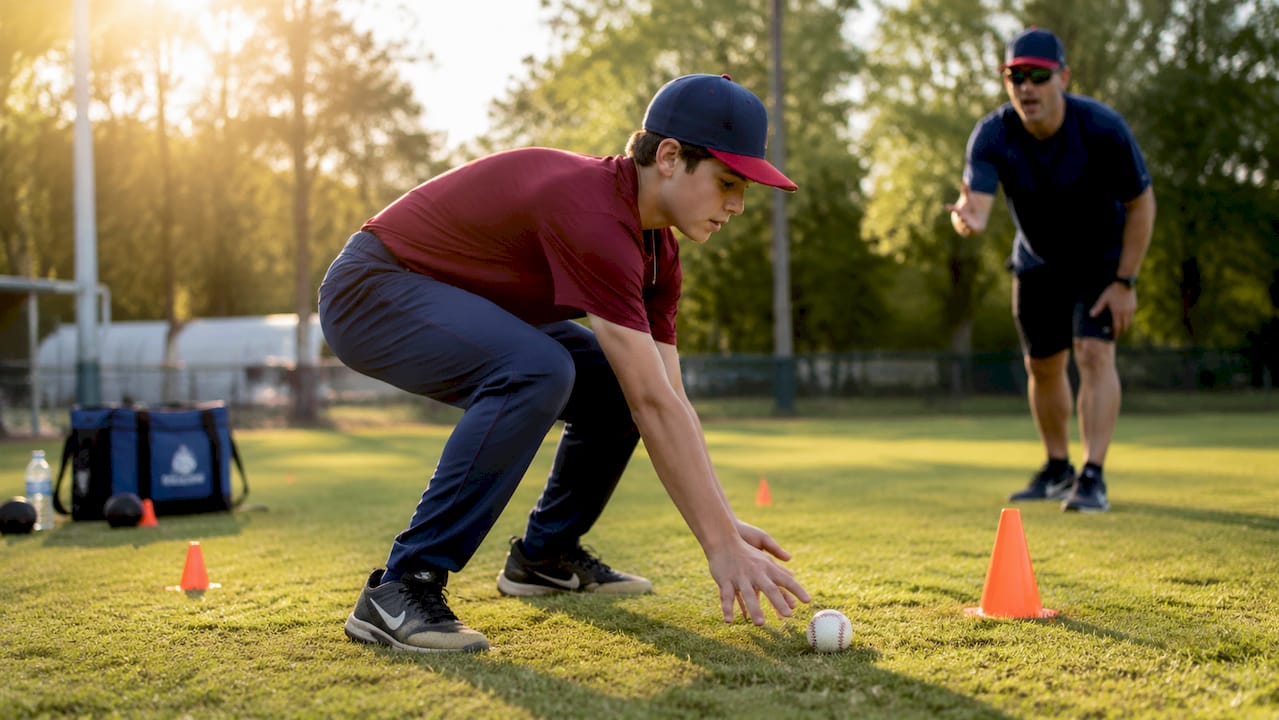
3-in-1 Pickoff Drill
This drill trains pitchers to execute pickoff moves to first, second, and third base in one continuous sequence. The pitcher starts in the stretch position, then rotates through all three pickoff throws on command. Running all three in sequence builds footwork and arm accuracy across every base.
Key coaching points:
- Keep the glove tight to the body during the turn
- Drive off the rubber with the back foot before rotating
- Throw to a target, not just toward the base
Pro Tip: Have a baserunner or coach simulate a lead at each base so the pitcher reads a real cue before throwing.
3-in-1 Bunt Drill
The 3-in-1 Bunt Drill teaches pitchers to field bunts and make the correct throw to first, second, or third base depending on the situation. A coach rolls three bunts in sequence: one to the left, one straight ahead, and one to the right. The pitcher charges each ball, fields it cleanly, and fires to the called base.
Key coaching points:
- Approach the ball at an angle to set up the throw
- Grip the ball across the seams before releasing
- Call the base out loud before throwing
Come-Backer Drill
The Come-Backer Drill trains pitchers to field hard-hit ground balls that come straight back at them after release. A coach hits or rolls a firm grounder directly at the pitcher from 40–50 feet. The pitcher must land in a fielding-ready position, react to the ball, and make a clean throw to first.
One common error coaches see: pitchers stand tall and upright after releasing the pitch. That posture kills reaction time. The drill fixes it by forcing the pitcher to finish in an athletic stance every single rep.
Key coaching points:
- Finish the delivery with the glove up and knees slightly bent
- Shuffle to the throwing side before firing to first
- Keep the eyes on the ball from the moment of contact
Pro Tip: Start with soft rollers and increase ball speed over three weeks. Rushing to full speed too soon creates flinching habits that are hard to break.
Squeeze Attempt Defensive Drill
This drill simulates a safety squeeze or suicide squeeze play with a runner on third. The pitcher fields a soft bunt near the mound, reads the runner’s direction, and decides whether to throw home or to first. The decision-making element is what makes this drill valuable. Young pitchers often freeze in this situation during games because they have never practiced the choice under pressure.
Pitcher Covers First Drill
Every time a ground ball goes to the right side of the infield, the pitcher must sprint to cover first base. This drill runs the pitcher through that exact scenario repeatedly. A coach hits ground balls to the first or second baseman while the pitcher breaks toward the bag on contact. The pitcher receives a toss from the fielder and touches the bag in stride.
Key coaching points:
- Break toward first on any ball hit to the right side, not just obvious ones
- Run to a spot about 15 feet up the line, then turn toward the bag
- Catch the toss with two hands and find the bag with the foot
2. How to structure pitcher fielding practice sessions effectively
Daily 7-minute PFP sessions are the standard for youth teams because they maximize focus without taxing the arm. Longer sessions produce diminishing returns. Young pitchers lose concentration after about 10 minutes of repetitive fielding work, and the quality of each rep drops sharply.
A well-structured session follows this order:
- Dynamic warm-up (15–20 minutes before any throwing). A proper pre-throw warm-up with dynamic stretches and mobility exercises reduces injury risk and prepares the arm for explosive movements. Skipping this step is the most common mistake youth coaches make.
- Visualization (2–3 minutes). Before the first rep, the pitcher mentally rehearses each drill scenario. Mental blueprints built through visualization improve reaction time and reduce anxiety during live reps.
- Core drills (7 minutes). Run the Come-Backer, Bunt, and Pickoff drills in sequence. Keep rest between reps short, around 15–20 seconds, to simulate game pace.
- Game-situation reps (3–5 minutes). Add simulated base runners and verbal calls. Treating every rep as game-like builds muscle memory and sharpens decision-making under pressure.
- Cooldown and debrief (3–5 minutes). Light stretching and a brief coach-to-player conversation about what went well and what needs work.
Pro Tip: Log each session in a simple notebook or phone app. Tracking which drills a pitcher struggles with over two weeks reveals patterns that a single practice never shows.
Balancing skill development with arm health means keeping total throwing volume low during PFP. These drills are about footwork, fielding, and decision-making. The arm is secondary. If a pitcher is also throwing a bullpen session that day, cut PFP to the Come-Backer and Bunt drills only.
For more guidance on managing practice time across a full week of training, Pitchtrainingbaseball has a dedicated resource that breaks down session planning for youth pitchers.
3. What are the foundational mechanics and mental skills pitchers need?
The 6 Fs framework defines the six mechanical steps every pitcher must master to field their position well. Coaches at every level use this framework because it gives players a simple checklist to self-correct during drills.
The 6 Fs of pitcher fielding:
- Feet: Set up with feet shoulder-width apart in an athletic stance after the pitch
- Field: Read the ball off the bat or off the ground immediately
- Footwork: Move to the ball with quick, controlled steps, not lunges
- Funnel: Bring the ball into the body’s center before gripping for the throw
- Fire: Make a firm, accurate throw to the correct base
- Follow Through: Complete the throwing motion and reset into a ready position
Each F builds on the one before it. A pitcher who skips Footwork and goes straight to Fire will make wild throws. Drilling the 6 Fs in order during slow-motion walkthroughs before full-speed reps locks in the sequence.
Mental skills are just as important as physical mechanics. Between-pitch mental routines like controlled breathing and visualization improve focus and reduce anxiety in young pitchers. A pitcher who panics on a squeeze play is not physically unprepared. They are mentally unprepared.
“Teaching a pitcher to talk during fielding drills is one of the most underrated coaching moves in youth baseball. When a pitcher calls the base out loud before throwing, it slows the moment down and eliminates the freeze response.” — Baseball Coaching Digest
Communication during fielding plays is vital and often overlooked. Coaches should require verbal calls on every rep. “First!” or “Two!” before every throw trains the pitcher’s brain to process the situation before the body acts. That habit transfers directly to game situations.
4. Drill comparison: which drills fit different skill levels?
Not every drill suits every age group or skill level. The table below helps coaches and parents match the right pitcher fielding exercises to the right player.
| Drill | Primary purpose | Best for | Key coaching focus |
|---|---|---|---|
| 3-in-1 Pickoff Drill | Pickoff accuracy and footwork | Intermediate to advanced | Foot drive off the rubber |
| 3-in-1 Bunt Drill | Bunt fielding and throw selection | Beginner to intermediate | Approach angle and grip |
| Come-Backer Drill | Reaction time and fielding stance | All levels | Finishing in an athletic position |
| Squeeze Attempt Drill | Decision-making under pressure | Intermediate to advanced | Reading the runner before throwing |
| Pitcher Covers First | Base coverage and timing | Beginner to intermediate | Breaking on contact, not late |
Beginners should start with the Come-Backer Drill and Pitcher Covers First. Both drills require minimal throwing and focus on movement patterns that young pitchers can learn quickly. The Come-Backer Drill in particular builds the fielding-ready finish that every other drill depends on.
Intermediate players add the Bunt Drill once they can field a grounder and make a clean throw consistently. Advanced players layer in the Pickoff and Squeeze drills, which demand footwork precision and fast decision-making under simulated game pressure.
Pro Tip: Rotate the drill order each week. Starting with a different drill prevents pitchers from going on autopilot. The goal is a player who reacts, not one who anticipates.
For coaches building a game-like practice environment, adding a simulated base runner to any drill immediately raises the intensity and the learning value. Even a coach standing on a base and taking a lead is enough to change how a pitcher processes the situation.
Combining drills is also effective for advanced players. Running the Bunt Drill directly into the Pitcher Covers First Drill in one sequence forces the pitcher to reset quickly between two different defensive scenarios. That kind of back-to-back sequencing mirrors real game pressure better than isolated reps.
Key takeaways
The most effective pitcher fielding practice combines short daily sessions, the 6 Fs mechanics framework, and game-situation reps to build defensive skills that hold up under real game pressure.
| Point | Details |
|---|---|
| Start with Come-Backer and Covers First | These two drills build the foundation every other fielding skill depends on. |
| Cap sessions at 7 minutes of core drills | Short, focused reps outperform long sessions for youth attention and arm health. |
| Use the 6 Fs as a self-correction checklist | Feet, Field, Footwork, Funnel, Fire, and Follow Through cover every fielding mechanic. |
| Require verbal calls on every rep | Saying the base out loud before throwing eliminates the freeze response in games. |
| Match drill complexity to skill level | Beginners start with movement drills; advanced players add decision-making scenarios. |
Why most youth pitchers never become good fielders (and how to fix it)
Most youth pitchers are never taught to field their position. They get hundreds of pitching reps and almost no fielding reps. That gap shows up in games every single week. A pitcher who can throw 60 miles per hour but freezes on a bunt play is a defensive liability, regardless of how hard they throw.
The fix is not complicated. It is consistent. Seven minutes of focused PFP every practice day builds more fielding skill than a 45-minute session once a week. Young athletes learn through repetition, and repetition requires frequency, not volume.
The mistake I see coaches make most often is treating PFP as optional. It gets cut when practice runs long or when the coach wants more batting practice time. That trade-off costs games. Bunts, comebackers, and first-base coverage plays decide close games far more often than people realize.
Mental training is the other piece that gets skipped. Teaching a young pitcher to visualize fielding scenarios before practice is a five-minute investment that pays off in calmer, faster decision-making during games. Parents can do this at home with their kids the night before a game.
The pitchers who become reliable defenders are the ones whose coaches and parents treated fielding practice as non-negotiable. That mindset is the real difference.
— Albert
Build better pitchers with the right training tools
Drills work best when pitchers have the right equipment to practice with at home and at the field. Pitchtrainingbaseball offers training aids built specifically for youth pitchers who want to sharpen both their throwing and fielding skills between team practices.
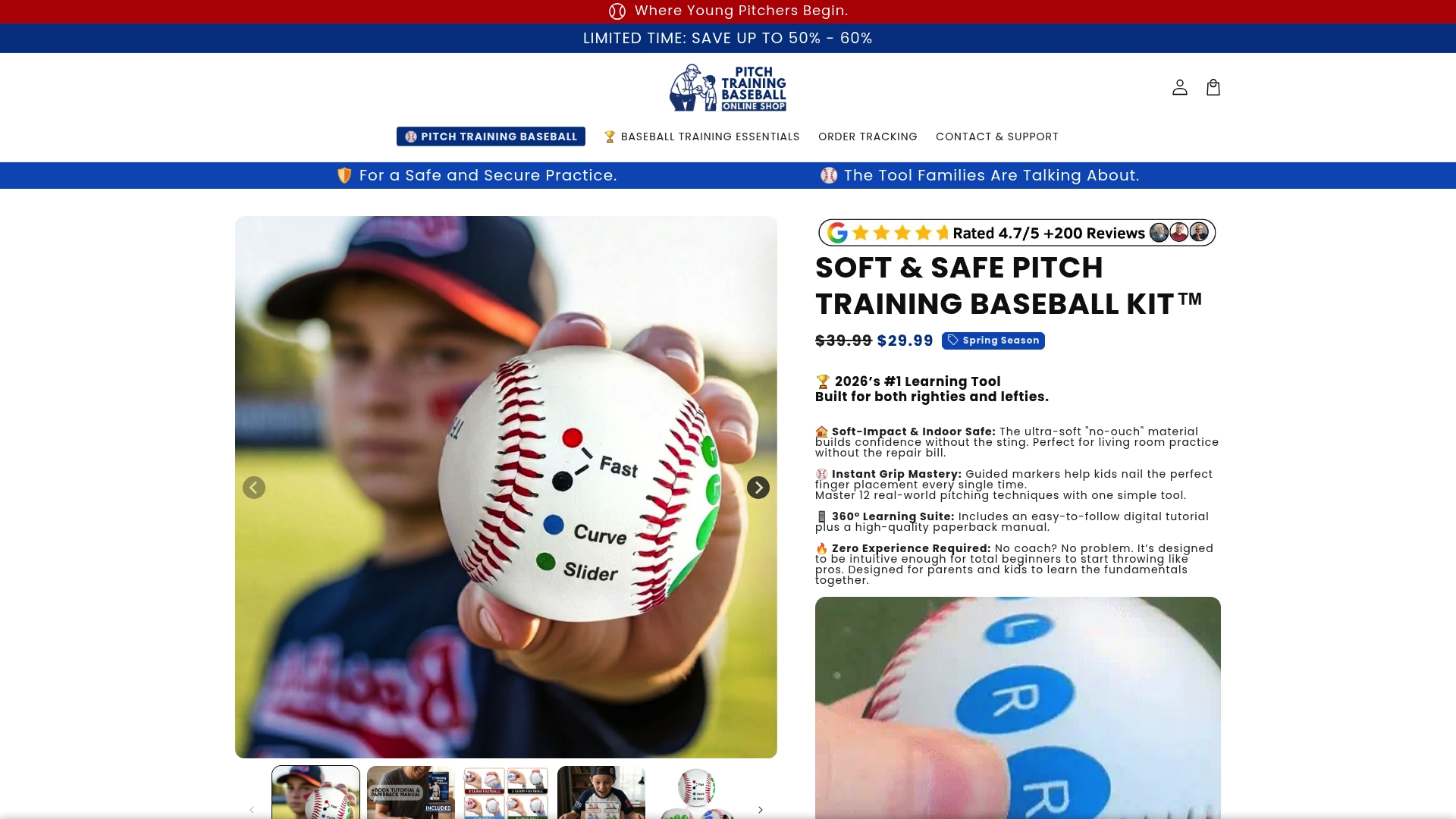
The hard pitch training kit gives young pitchers everything they need to run Come-Backer and Bunt drills at home without a full team setup. For coaches running pickoff and accuracy work, the Pitching Target Net with Strike 9-Zone adds a visual target that makes every rep more purposeful. Pitchtrainingbaseball products are designed for youth athletes, so they are safe, portable, and easy to set up in a backyard or gym.
FAQ
What are the most important fielding drills for youth pitchers?
The Come-Backer Drill, 3-in-1 Bunt Drill, and Pitcher Covers First Drill are the three most important. They cover the defensive situations pitchers face most often in youth baseball games.
How long should a pitcher fielding practice session last?
Daily PFP sessions for youth pitchers should last about 7 minutes of core drill work. Longer sessions reduce focus and add unnecessary stress to the arm.
What is the 6 Fs framework for pitcher fielding?
The 6 Fs are Feet, Field, Footwork, Funnel, Fire, and Follow Through. They are the six mechanical steps that define correct fielding technique for pitchers at every level.
Should pitchers warm up before fielding drills?
A dynamic warm-up of 15–20 minutes before any throwing or fielding work is required. Skipping the warm-up increases injury risk and reduces the quality of every rep that follows.
How do mental skills connect to pitcher fielding?
Visualization and breathing routines before drills improve reaction time and reduce anxiety. Pitchers who mentally rehearse fielding scenarios make faster, calmer decisions when those plays happen in games.
Recommended
- Recommended Daily Pitching Habits for Youth Players – Pitch Training Baseball
- Managing Practice Time for Pitchers: 2026 Youth Guide – Pitch Training Baseball
- Arm Strength Tips for Baseball: Youth Player Guide – Pitch Training Baseball
- Defining Youth Pitching Mechanics: A Coach’s Guide – Pitch Training Baseball