


A pitching seminar is a structured coaching event designed to improve youth baseball players’ mechanics, command, and arm health in a focused setting. Knowing how to hold pitching seminars correctly separates coaches who produce real results from those who run expensive throwing sessions with no lasting impact. The best seminars combine age-appropriate drills, enforced pitch count limits, and a clear session sequence. Tools like pitching target nets, digital booking platforms such as CoachUp, and a solid coach-to-player ratio make the difference between a seminar that develops players and one that just burns their arms out.
What do you need before organizing pitching seminars?
The right facility and equipment are non-negotiable starting points. You need a mound or flat pitching area, a bullpen lane, and enough open space for multiple drill stations running at the same time. Protective gear for catchers and fielders must be checked before any player throws a pitch.
Equipment requirements for a well-run seminar include:
- Regulation baseballs and reduced-impact training balls for younger players
- Pitching target nets with marked strike zones for command drills
- Catcher’s gear sets for each active bullpen lane
- Cones and markers for stride direction and balance drills
- A first aid kit and ice packs at the field
Starting seminars with a formal check-in and a dynamic warm-up routine improves both safety and readiness. The warm-up should last about 20 minutes and include arm circles, leg swings, and baseball-specific movements before any throwing begins.
| Facility element | Minimum requirement |
|---|---|
| Pitching mound or flat area | 1 per 4 players |
| Bullpen lanes | 1 per active pitching group |
| Target nets | 1 per drill station |
| Catcher’s gear sets | 1 per active lane |
| First aid station | 1 per event |
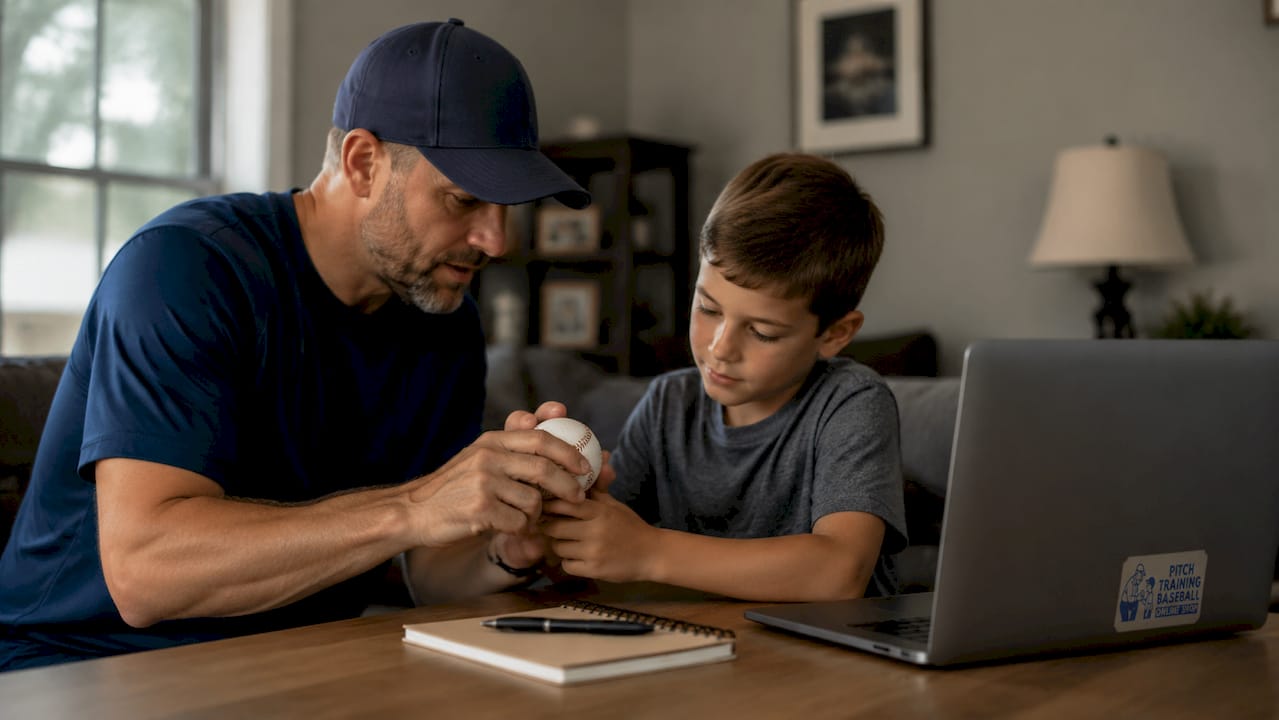
Coach qualifications matter as much as the facility. Every coach running a station should have experience with youth pitching mechanics and a working knowledge of arm health guidelines. A 1:4 coach-to-player ratio delivers the individualized instruction that typical team practice cannot provide. That ratio is the single biggest structural advantage a seminar has over a standard practice.
Digital booking platforms like CoachUp simplify scheduling, payments, and group communication for new seminar organizers. They reduce the administrative load so coaches can focus on coaching rather than chasing registration forms.
Pro Tip: Collect player age, experience level, and any existing arm injuries on your registration form. That information shapes your drill groupings before the first player arrives.
How to structure your seminar format and schedule
Seminar format is the first decision that shapes everything else. Single-day events work best for beginners and first-time attendees. Multi-week programs support long-term mechanical development for players who already have a foundation. Youth pitching clinics typically range from $70–$200 for single-day sessions and $300–$1,500 for multi-week programs. Price your seminar based on the depth of instruction, the coach-to-player ratio, and the equipment you provide.
| Format | Best for | Typical cost | Session length |
|---|---|---|---|
| Single-day clinic | Beginners, introductory skill work | $70–$200 | 3–4 hours |
| Weekend clinic | Intermediate players, focused mechanics | $150–$400 | 6–8 hours total |
| Multi-week program | Advanced development, full progression | $300–$1,500 | 4–6 weeks |
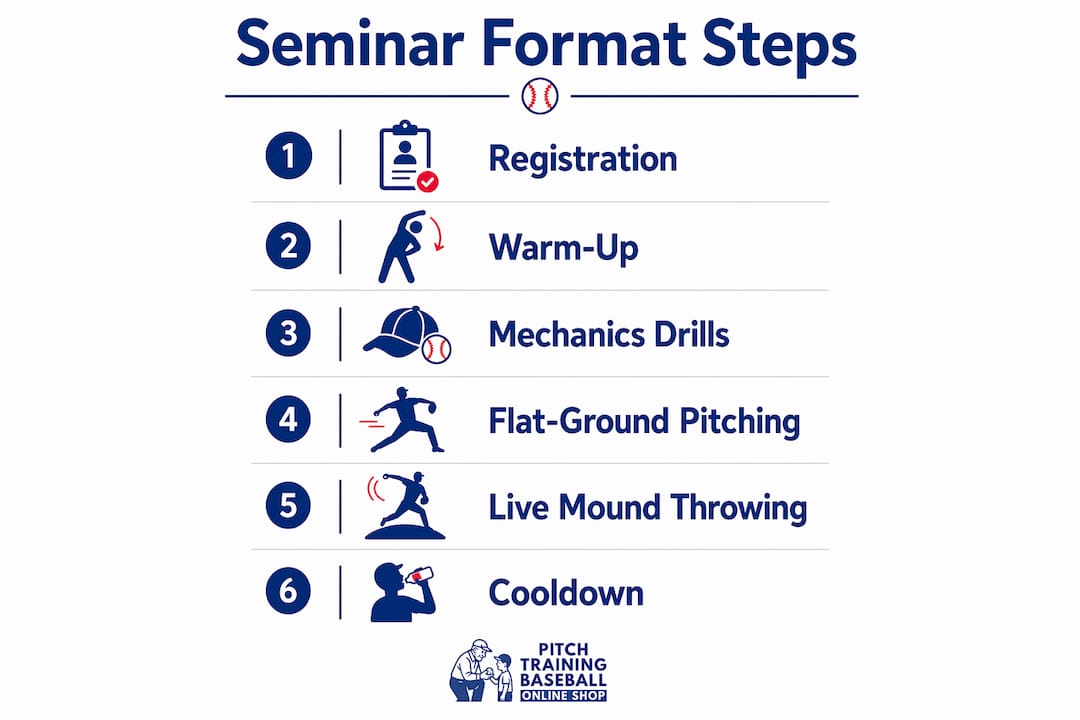
A single seminar session should follow this sequence:
- Formal check-in and equipment distribution (10 minutes): Verify registrations, distribute gear, and assign players to age and skill groups.
- Dynamic warm-up (20 minutes): Arm circles, leg swings, light jogging, and baseball-specific mobility work.
- Mechanics drill stations (45–60 minutes): Balance point hold, towel drill, and stride direction work before any live throwing.
- Flat-ground command work (20–30 minutes): Pitchers throw at target nets from flat ground, focusing on location over velocity.
- Structured bullpen session (30–40 minutes): Live throwing within age-appropriate pitch count limits, with coach feedback after each sequence.
- Cool-down and debrief (15 minutes): Arm care stretching, player questions, and coach feedback summary.
Pitch count limits are not optional. The 2026 guidelines set maximums at 50 pitches for ages 7–8, 75 for ages 9–10, and 85 for ages 11–12. Staying inside those limits protects developing arms and keeps players eligible to pitch in their league games after the seminar.
Balancing instruction time with live throwing is the hardest scheduling challenge. Coaches who rush to live throwing skip the drill work that actually builds mechanics. Plan for at least 60% of the session to be drill-based before players throw off a mound.
Pro Tip: Print a session timeline and post it at each station. Coaches stay on schedule, and players know what comes next, which reduces downtime and keeps energy high.
Which drills and coaching techniques build youth pitching skills safely?
Mechanics-first drilling is the foundation of every effective youth pitching program. Effective pitching drills include the balance point hold, towel drill, flat-ground command work, stride direction drill, and fielding position drill. Each targets a specific mechanical checkpoint without putting stress on the arm. Prioritizing mechanics over velocity is the single most important principle for reducing injury risk in players under 14.
Here is what each core drill develops:
- Balance point hold: Trains the pitcher to pause at the top of the leg lift and find a stable, repeatable launch position. This is the starting point for every other mechanical fix.
- Towel drill: The pitcher holds a folded towel instead of a ball and snaps it toward a target. It isolates arm path and hip-to-shoulder separation without any throwing stress.
- Flat-ground command drill: Pitchers throw at a strike zone target net from flat ground, focusing on hitting specific zones. Removing the mound eliminates elevation variables and lets players focus purely on location.
- Stride direction drill: A line of tape on the ground shows the correct stride path. Pitchers step to the line on every delivery, training consistent direction toward the plate.
- Fielding position drill: After releasing the pitch, the pitcher lands in a balanced fielding stance. This builds athleticism and reinforces a complete, controlled finish.
Proprioception training is one of the most overlooked tools in youth pitching development. In this drill, pitchers close their eyes at foot plant and complete the delivery by feel alone. This trains body awareness so pitchers can feel when their mechanics are off, rather than relying entirely on visual feedback. Research shows this approach can improve command consistency by 15–20%.
Structured bullpen sessions with focused pitch sequences outperform aimless throwing every time. A 35–50 pitch bullpen should include fastball command work to both sides of the plate, one secondary pitch with location focus, and two or three situational pitches. Unstructured throwing builds bad habits faster than it builds skills.
Coach feedback during drills should be immediate and specific. Instead of “good job,” say “your balance point was solid, now keep your front shoulder closed longer.” Players at this age respond to concrete cues, not general praise. Asking players what they felt during a drill also surfaces mechanical issues the coach may not have seen from the outside.
Pro Tip: Run the towel drill at the start of every bullpen session, not just as a warm-up exercise. It resets arm path before live throwing and catches mechanical drift that builds up between sessions.
What are the most common seminar challenges and how do you fix them?
Fatigue management is the challenge coaches underestimate most. Young pitchers do not always recognize when their arm is tired, and they will keep throwing if you let them. Enforce pitch count limits without exception and build mandatory rest periods into the schedule between bullpen rotations.
Common operational problems and their fixes:
- Players starting live throwing too early: Emphasize mechanics drills before live pitching, especially for players under 10. Use pitching targets instead of live hitters to remove pressure and reduce injury risk.
- Mechanical errors repeating across sessions: Video a short clip of each player at the start and end of the seminar. Showing players the difference between their first and last throw is more persuasive than any verbal correction.
- Low engagement from older or more advanced players: Add competitive elements to drill stations, such as a command challenge where players earn points for hitting specific zones on the target net.
- Timing running over schedule: Assign one coach per station as a timekeeper. When stations run long, the bullpen session gets compressed, which is where the most learning happens.
“Listening carefully to player questions during pitching workshops provides opportunities for improving seminar clarity and effectiveness.” — Mastering the Art of Pitching
Player questions during a seminar are not interruptions. They are real-time feedback on what your instruction is missing. Engaging attendees and adapting based on their questions improves seminar effectiveness faster than any post-event survey. Build five minutes of open Q&A into each station rotation, not just at the end of the day.
Environment control matters more than most coaches expect. Outdoor seminars in direct sun during summer months create heat fatigue that degrades mechanics and increases injury risk. Schedule outdoor bullpen work in the morning and move drill stations to shaded areas or an indoor facility for afternoon sessions.
Key Takeaways
A successful youth pitching seminar requires a 1:4 coach-to-player ratio, mechanics-first drill sequencing, and strict enforcement of age-appropriate pitch count limits before any live throwing begins.
| Point | Details |
|---|---|
| Enforce pitch count limits | Use 2026 maximums: 50 pitches for ages 7–8, 75 for 9–10, and 85 for 11–12. |
| Mechanics before live throwing | Run balance point, towel, and flat-ground drills before any mound work. |
| Keep coach-to-player ratio at 1:4 | Smaller groups produce individualized feedback that team practice cannot replicate. |
| Start with a short format | Weekend or 2–3 day clinics let you test your structure and collect player feedback before scaling. |
| Use player questions as feedback | Open Q&A at each station reveals gaps in your instruction faster than post-event surveys. |
What I’ve learned from running pitching seminars the hard way
The first seminar I ran had too many players, too few coaches, and a schedule that fell apart by 10 a.m. I had 16 kids, two coaches, and a plan that assumed everyone would move through stations at the same pace. They did not. The lesson was immediate: start small with a weekend clinic, keep your groups tight, and treat the first event as a test run rather than a finished product.
The ratio issue is the one I see coaches resist most. They want to fill spots to cover costs, so they push the ratio to 1:8 or worse. The seminar becomes a group watching session rather than individual coaching. Players leave having watched good pitching more than they practiced it. A 1:4 ratio feels expensive to run, but it is the only ratio that justifies the seminar’s price to parents and produces visible improvement.
The other thing I got wrong early was the balance between drills and live throwing. Kids want to throw. Parents want to watch their kids throw. Coaches feel pressure to get to the mound quickly. Resist that pressure. The bullpen routine only produces results when the mechanical foundation is already in place. Rushing to live throwing with a broken arm path just grooves the wrong pattern faster.
The moment that changed how I run seminars was watching a 9-year-old do the proprioception drill for the first time. He closed his eyes, felt his foot plant, and delivered the ball to the exact center of the zone. He looked up and said, “I felt that one.” That is what a well-run seminar produces. Not just better mechanics on the day, but a pitcher who understands his own body. That awareness carries into every practice and game after the seminar ends.
— Albert
Training tools that make your seminar run better
Running a well-organized pitching seminar takes more than a good plan. The right equipment at each drill station keeps players engaged, gives coaches clear feedback points, and protects young arms throughout the session.
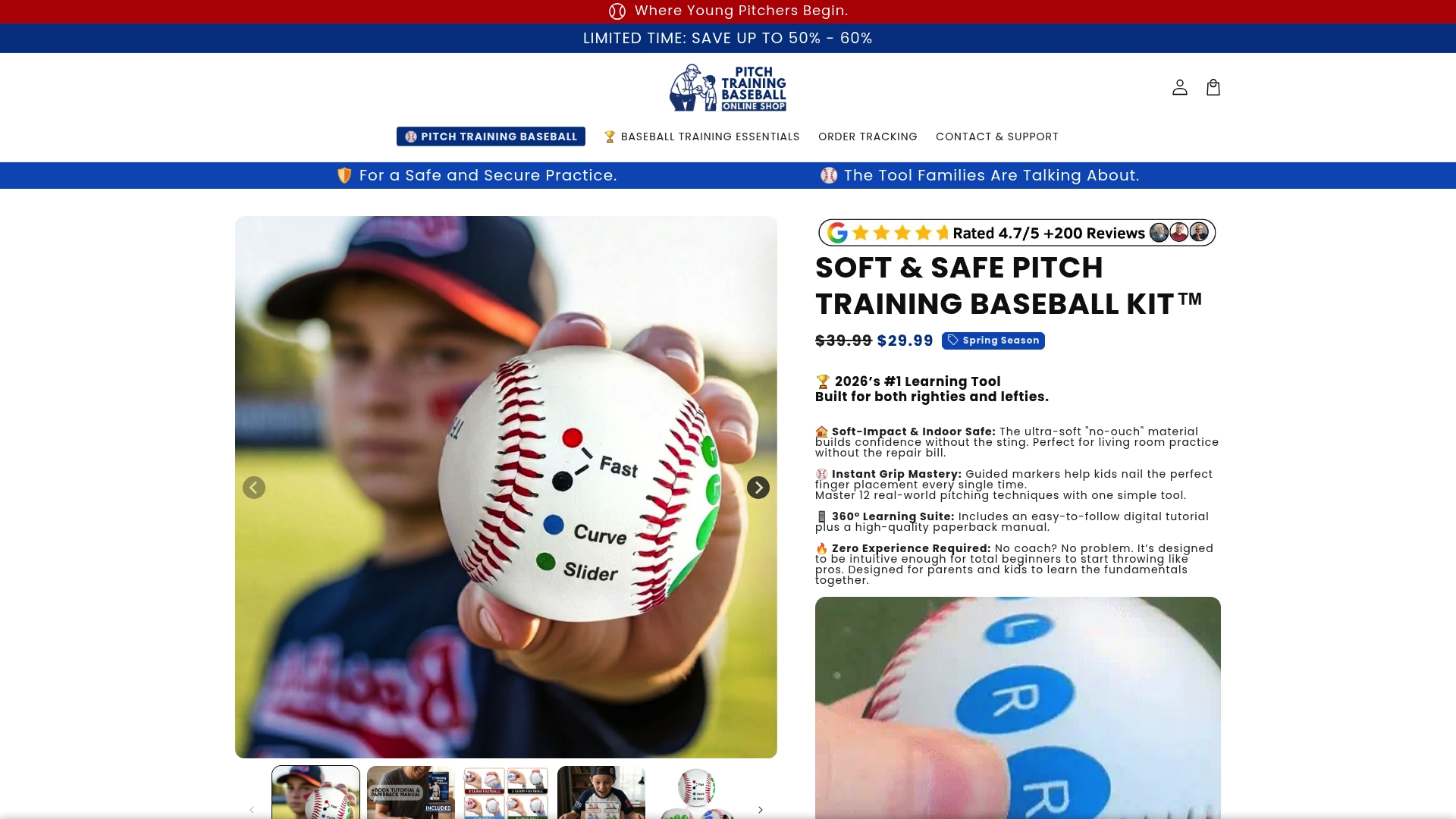
Pitchtrainingbaseball carries the gear coaches need to set up effective seminar stations from day one. The pitching training kit gives you the balls and targets to run flat-ground command drills and bullpen sequences without improvising. For command work, the 9-zone target net gives pitchers a clear visual target and gives coaches an objective measure of location improvement across the session. Pitchtrainingbaseball also offers package protection for orders, so your gear arrives ready to use before your first seminar date.
FAQ
What is the ideal coach-to-player ratio for a pitching seminar?
A 1:4 coach-to-player ratio delivers the individualized instruction that makes pitching seminars worth attending. Larger groups reduce feedback frequency and limit the mechanical corrections each player receives.
How long should a single-day youth pitching seminar be?
A single-day seminar runs best at 3–4 hours, including a 20-minute warm-up, mechanics drill stations, flat-ground command work, and a structured bullpen session within age-appropriate pitch count limits.
When should youth pitchers start live mound throwing during a seminar?
Live mound throwing should follow mastery of mechanics drills, not precede it. Use pitching targets on flat ground first, especially for players under 10, to build command before adding mound elevation and live pressure.
What pitch count limits apply to youth pitching seminars in 2026?
The 2026 guidelines set maximums at 50 pitches for ages 7–8, 75 for ages 9–10, and 85 for ages 11–12. These limits apply during seminars just as they do in games.
How do I handle mixed skill levels in one pitching seminar?
Group players by age and current mechanics level rather than by team or school. Assign the most experienced coaches to the youngest or least developed groups, where foundational habits are still forming and corrections have the most long-term impact.
Recommended
- Baseball Coaching Methods: Examples for Youth Coaches – Pitch Training Baseball
- Fielding Drills for Pitchers: The Complete Youth List – Pitch Training Baseball
- Game-like pitching practice: Raise youth baseball skills fast – Pitch Training Baseball
- Top pitching workouts for youth baseball: build skill safely – Pitch Training Baseball