


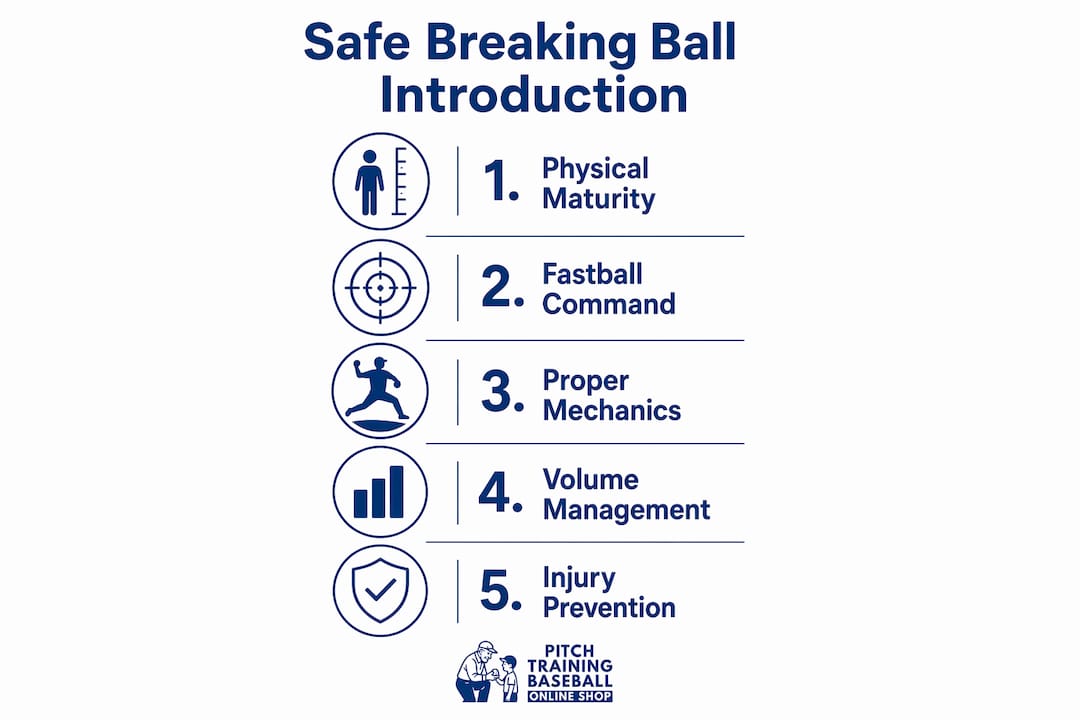
Breaking balls belong in a young pitcher’s arsenal only after two things are true: the pitcher commands a fastball and change-up with consistency, and the body shows signs of physical maturity. That means regular facial hair growth, a reliable indicator that elbow growth plates are nearing closure rather than a birthday on the calendar. Most sports medicine guidelines, including those from Pitch Smart, point to ages 12–14 as the earliest window for competitive breaking ball use, but physical readiness matters more than the number.
Before a coach or parent introduces any breaking pitch, a few non-negotiables apply:
- The pitcher throws fastballs and change-ups with repeatable mechanics and reasonable command.
- Physical maturity indicators, such as regular shaving, suggest growth plate development is sufficient.
- Practice sessions start at low intensity, focusing on grip and arm action before any live pitching.
- Soreness and fatigue get monitored closely after every breaking ball session.
- Coaches, parents, and the player talk openly about readiness, workload, and how the arm feels.
Table of Contents
- How to introduce breaking balls: the right mechanical foundation
- Common mistakes that hurt performance and raise injury risk
- Injury prevention strategies every coach and parent should follow
- What the medical research actually says about breaking balls and youth arms
- Build better mechanics with the right training tools
- Key Takeaways
How to introduce breaking balls: the right mechanical foundation
Good breaking ball mechanics start with the grip. A standard curveball grip places the middle finger along the top seam, with the thumb underneath for support. The key is applying pressure through the fingertips at release, not torquing the wrist aggressively. That distinction matters because coached proper form reduces arm strain and builds the neuromuscular patterns a pitcher will carry into high school and beyond.
The arm slot should mirror the fastball as closely as possible. Changing the slot to create more break is a common shortcut that loads the elbow at an unfamiliar angle. Instead, the spin and movement come from finger pressure and a consistent release point, not from a dramatic wrist snap or a dropped elbow.
The kinetic chain matters here as much as it does on a fastball. Hips rotate first, the torso follows, and the arm comes through last. A pitcher who skips the lower half and throws “all arm” puts far more stress on the elbow and shoulder regardless of pitch type. Teaching kinetic chain mechanics early prevents the compensatory patterns that show up as elbow pain later.
- Keep the wrist firm but relaxed, not locked or snapped aggressively.
- Match the arm slot to the fastball delivery.
- Drive off the rubber and rotate the hips fully before the arm fires.
- Focus on finger pressure at release to generate spin.
- Reinforce the same follow-through used on every other pitch.
Pro Tip: Have the pitcher throw the curveball grip on a fastball first. If the ball spins cleanly without wrist manipulation, the grip is correct. This drill builds confidence and reinforces that the arm action stays the same.
Common mistakes that hurt performance and raise injury risk
The biggest mistake is introducing breaking pitches before a pitcher owns the fastball. A young arm that can’t locate a four-seamer reliably has no business adding a pitch that demands even more precision and body coordination. Skipping that foundation doesn’t accelerate development; it creates bad habits that are harder to fix at 16 than they were to prevent at 12.
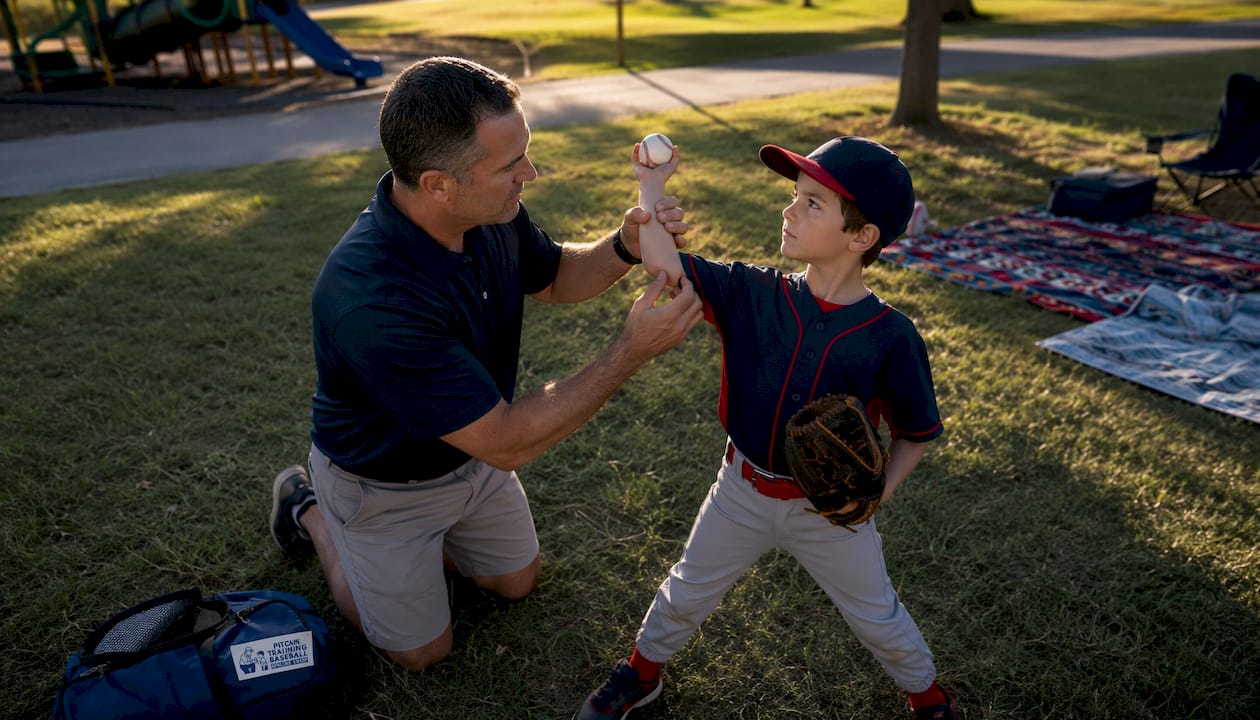
Pitchers who learn breaking balls informally, without coaching, almost always develop incorrect wrist-snapping habits that load the medial elbow. They’ve seen a highlight and tried to copy it in the backyard. The result is a pitch that looks like a curve but functions like an injury waiting to happen.
Other errors coaches should watch for:
- Overuse without rest. Throwing breaking balls in every bullpen session, every practice, and every game without adequate recovery is the fastest path to arm problems.
- Dropping the arm slot. Lowering the elbow to create more downward break changes the stress profile on the shoulder and elbow in ways a young arm isn’t prepared for.
- Ignoring fatigue signals. A pitcher who says their elbow feels “weird” or their arm feels heavy is telling you something. Pitching through those signals, on any pitch type, is where serious injuries begin.
- Neglecting the lower half. Breaking balls thrown with an arm-dominant motion produce more joint torque than the same pitch thrown with full lower-body engagement.
Injury prevention strategies every coach and parent should follow
The research is clear on what actually causes youth pitching injuries: volume and fatigue, not pitch type. Pitching over 100 innings in a year raises injury risk by 3.5 times, a figure that dwarfs any risk attributed to curveballs or sliders specifically. Managing total workload is the single most protective thing a coach or parent can do.
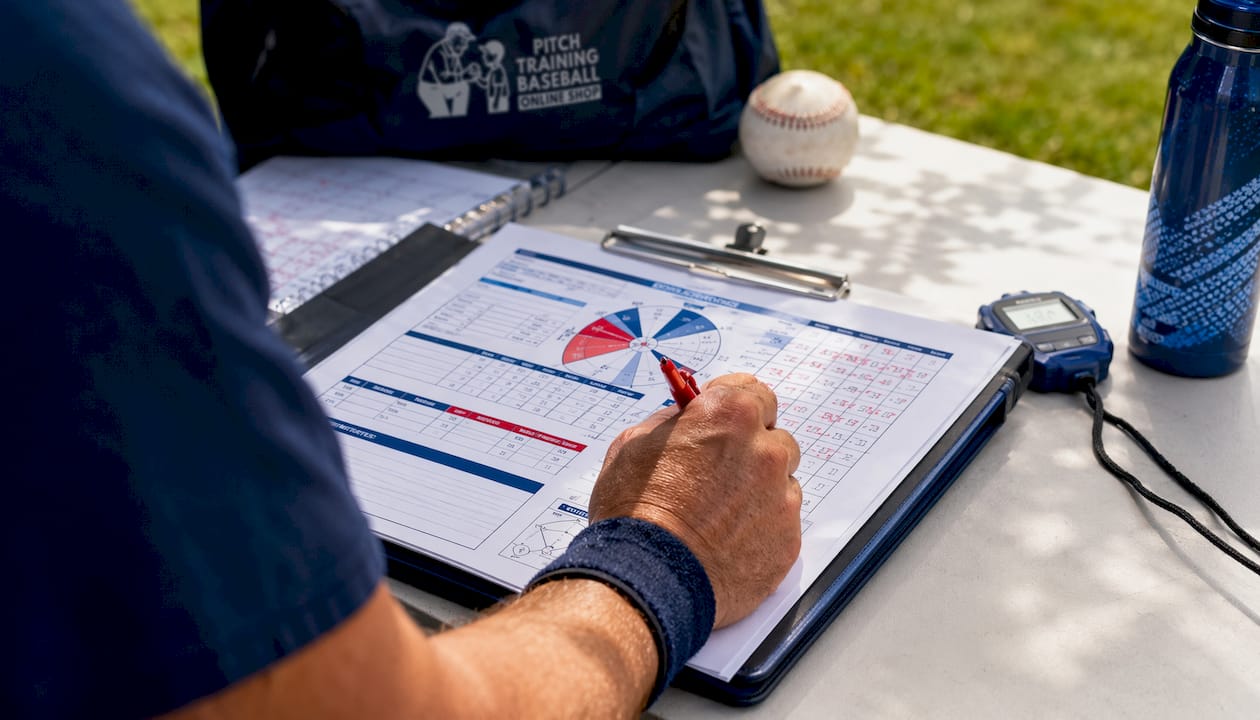
A proper warm-up is the second line of defense, supported by ballistic training techniques that enhance power and injury prevention in youth athletes. Research shows that a 10-minute warm-up routine, including dynamic stretching and mobility work, can cut injury risk in young pitchers by up to 50%. That’s not a light jog and three arm circles. It means leg swings, hip rotations, band work for the rotator cuff, and a structured long-toss progression before any breaking balls are thrown.
Pitching with fatigue is the number one risk factor for injury regardless of pitch type. Fatigued pitchers alter their mechanics, which increases joint loads across the shoulder and elbow on every pitch they throw.
Pitch count guidelines from sports medicine consensus give coaches a concrete framework. For 11–12-year-olds, the ceiling is 75 pitches per game and 1,000 pitches per season. For 13–14-year-olds, the game limit rises to 75 pitches with a weekly cap of 125. Breaking balls should represent only a fraction of that total volume during the learning phase, not a staple of every outing.
Additional strategies worth building into your program:
- Schedule at least one full rest day after any session that includes breaking balls.
- Cross-train with core strengthening and lower-body work to support the kinetic chain.
- Avoid year-round pitching specialization, which is a primary driver of arm injury in youth players.
- Check in with players after every session, not just when they complain. Kids often underreport soreness to stay on the field.
- Consider working with a sports therapist to assess individual readiness before introducing breaking pitches competitively.
For more on managing workload safely, the pitch count monitoring guide from Pitchtrainingbaseball walks through age-specific limits in practical detail. The arm strength guide for young players also covers the physical development markers coaches should track before adding new pitch types.
What the medical research actually says about breaking balls and youth arms
The fear that curveballs destroy young elbows is widespread, but the science doesn’t fully support it. Biomechanical studies on youth pitchers found that curveballs can actually produce lower joint torque than fastballs during certain throwing phases. The pitch itself isn’t the villain.
What the research consistently points to instead is volume, fatigue, and poor mechanics as the real culprits. Pitch Smart and sports medicine groups still recommend delaying breaking balls until physical maturity because adolescents who haven’t developed neuromuscular control tend to throw them with poor form, and poor form under load is where injuries happen. The precaution is about execution quality, not the pitch itself.
The practical takeaway: a physically mature pitcher who throws a curveball with sound mechanics and managed volume is at no greater injury risk than one throwing only fastballs at excessive counts. The focus should shift from “which pitch is dangerous” to “how much is this arm throwing, and how well is it moving.”
Build better mechanics with the right training tools
Practicing breaking ball grips and release points is far more productive when pitchers have a target that gives immediate feedback on location. The Pitching Target Net with Strike 9-Zone from Pitchtrainingbaseball gives young pitchers a visual reference for every pitch, making it easier to track whether the breaking ball is landing where it should. Pair it with the Pitch Training Baseball collection for tools built specifically around youth arm development.
Key Takeaways
Safe breaking ball introduction requires physical maturity, solid fastball command, proper mechanics, and strict volume management, not just age.
| Point | Details |
|---|---|
| Wait for physical maturity | Facial hair onset signals elbow growth plate readiness, more reliably than age alone. |
| Master fastball first | Consistent fastball and change-up command must come before any breaking pitch is introduced. |
| Mechanics over wrist snap | Finger pressure at release, not aggressive wrist torque, generates safe and effective break. |
| Volume drives injury risk | Pitching a high volume of innings in a year significantly raises injury risk, regardless of pitch type. |
| Warm-up cuts risk significantly | A 10-minute dynamic warm-up routine can reduce youth pitching injury risk by up to 50%. |
Recommended
- The Role of Training Balls in Youth Baseball Pitching – Pitch Training Baseball
- How to throw a baseball: proven youth coaching tips – Pitch Training Baseball
- Why Proper Pitching Technique Matters for Young Players – Pitch Training Baseball
- Game-like pitching practice: Raise youth baseball skills fast – Pitch Training Baseball