


Pitcher fatigue is defined as the progressive decline in arm strength, muscle control, and mechanical efficiency that occurs when a pitcher throws beyond their physical capacity. Coaches, parents, and trainers who understand how to prevent pitcher fatigue protect young arms from an injury risk that is 36 times higher when pitchers take the mound tired. The 2026 Pitch Smart guidelines and updated youth pitch count standards give you a clear framework. The challenge is applying that framework consistently, across games, bullpen sessions, and practice throws.
How to prevent pitcher fatigue: causes and early warning signs
Fatigue causes muscle weakness, mechanical breakdown, and a sharp rise in injury risk. Research shows that 75 pitches produce a 12.66% drop in grip strength and a 25% increase in muscle soreness in the biceps and forearm flexors. That level of physical decline changes how a pitcher moves, often before the pitcher realizes anything is wrong.
What mechanical signs tell you a pitcher is fading
Coaches and parents need to watch for physical cues, not just pitch counts. The most reliable early warning signs include:
- Dropping arm slot: The elbow falls below shoulder height, shifting stress directly onto the UCL.
- Slower tempo: The pitcher’s delivery slows noticeably between pitches.
- Loss of command: Pitches that were hitting spots start missing arm side or sailing high.
- Body opening early: The front hip rotates before the arm is ready, a classic sign of core fatigue.
- Arm shaking or rubbing: The pitcher shakes out the arm between pitches or rubs the forearm.
Spotting two or three of these signs together is your signal to pull the pitcher. Mechanical fatigue appears before the athlete admits to being tired. Young pitchers are competitive. They will not tell you their arm hurts until the damage is done.
Soreness vs. fatigue vs. pain: knowing the difference
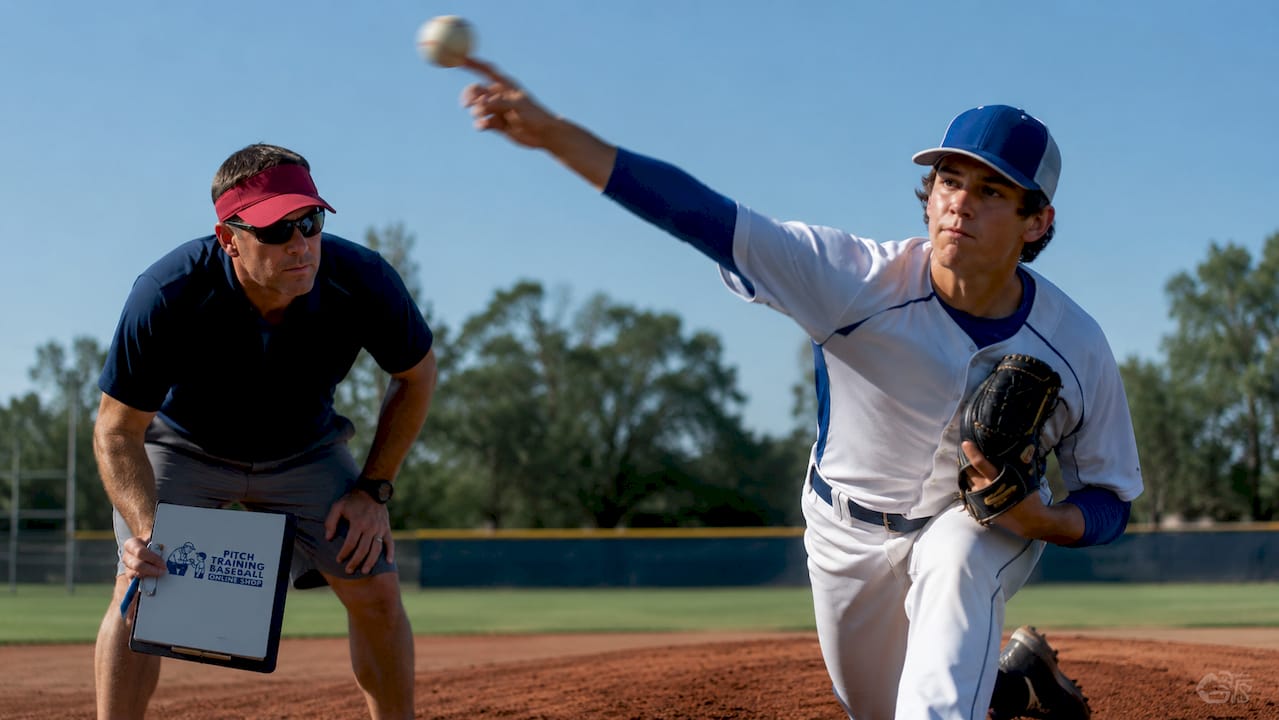
Not every sensation after pitching is dangerous, but one of them is a hard stop. Normal muscle soreness feels like a dull ache that shows up 24–48 hours after a heavy outing. Fatigue is the in-game feeling of heaviness or reduced velocity. Sharp or lingering pain that alters mechanics is always a stop sign. Pain is not toughness. Pain is the body signaling structural stress.
Pro Tip: Ask your pitcher to rate arm feel on a 1–10 scale before each inning. A drop of 2 or more points from their starting number is your cue to evaluate mechanics closely.
What pitch count and rest rules apply in 2026?
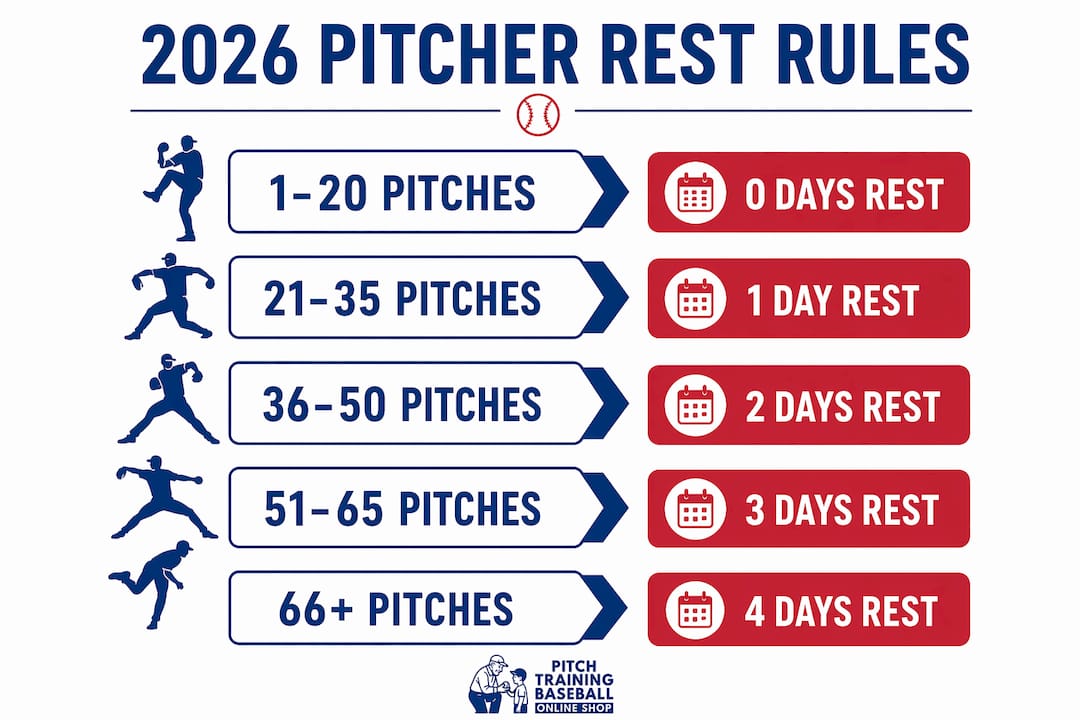
The 2026 standards are specific and non-negotiable for youth pitchers ages 7–14. Throwing 66 or more pitches requires four full calendar days of rest before the pitcher can throw again. These are not suggestions. They are the minimum thresholds that protect developing arms from overuse injuries.
2026 youth pitch count rest requirements (ages 7–14)
| Pitches thrown | Minimum rest required |
|---|---|
| 1–20 | 0 days |
| 21–35 | 1 day |
| 36–50 | 2 days |
| 51–65 | 3 days |
| 66 or more | 4 days |
Beyond single-game limits, the 2026 guidelines also call for three to four months off pitching per year, with two to three months of complete no-throwing rest. That annual break is not optional recovery. It is the window where young connective tissue repairs and remodels.
Why total throwing volume matters more than game pitch counts
Game pitch counts capture only part of the workload. Bullpen warm-ups, between-inning throws, and practice sessions all add to cumulative arm stress. A pitcher who throws 55 pitches in a game but also warmed up with 30 bullpen throws and caught 40 throws during practice has absorbed far more than the scorebook shows.
Pitchers who also catch accumulate hidden throwing volume that pitch count rules do not capture. Coaches need to track total throwing across all roles, not just innings pitched. A simple notebook or a dedicated tracking app works. The method matters less than the consistency of recording every throw.
Pro Tip: Count bullpen warm-up pitches as part of the game total. If a pitcher throws 20 in the bullpen and 50 in the game, treat that outing as a 70-pitch day for rest purposes.
How should coaches train pitchers to reduce exhaustion?
Building a pitcher who resists fatigue starts long before the first game pitch. The body generates pitching velocity from the ground up, so arm care alone is not enough. Total-body strength in the legs, core, and scapular stabilizers is what keeps the arm from absorbing excess stress on every pitch.
A conditioning framework for pitching endurance
- Leg strength first. Squats, lunges, and single-leg exercises build the drive phase power that reduces arm load. A pitcher with weak legs compensates with the arm.
- Core stability. Planks, rotational medicine ball work, and hip hinge patterns train the transfer of force from lower body to upper body.
- Scapular stabilizers. Rows, face pulls, and band pull-aparts keep the shoulder blade in position throughout the throwing motion.
- Shoulder and rotator cuff maintenance. Light resistance band work before and after throwing sessions keeps the small stabilizing muscles engaged.
- Mechanics review. Poor mechanics create inefficiency. Every wasted movement adds stress to the arm. Proper pitching mechanics redistribute force through the kinetic chain and reduce the arm’s share of the workload.
Why multisport participation protects young arms
Single-sport specialization is a leading driver of overuse injuries in youth athletes. Playing multiple sports through middle school builds varied movement patterns and gives the throwing arm genuine rest from repetitive stress. A young pitcher who also plays basketball or soccer develops hip mobility, lateral strength, and cardiovascular fitness that directly support pitching durability.
Coaches and parents should resist pressure to specialize before high school. The short-term gains from year-round pitching are consistently outweighed by the long-term injury risk. The best arm development programs treat multisport participation as a feature, not a distraction.
Pitch selection also matters for arm health. Young pitchers should focus on fastballs and change-ups before introducing breaking balls. Curveballs and sliders place torque on immature growth plates. Delaying those pitches until the arm is physically ready is one of the most direct ways to protect daily pitching habits and reduce long-term wear.
What recovery practices actually work after a pitching outing?
Recovery is where fatigue prevention either succeeds or fails. Most coaches focus on what happens during the game. The hours and days after the outing determine how well the arm bounces back.
The most common mistake is reaching for ice immediately after pitching. Modern recovery science favors active recovery and mobility work over icing. Frequent icing after every outing can actually signal that the arm is being overused. Ice numbs pain signals that the body needs to process.
Effective post-outing recovery looks like this:
- Gentle tossing the next day. Light, flat-ground throws at 50–60 feet keep blood moving through the arm without adding stress.
- Mobility work. Shoulder circles, thoracic rotations, and hip flexor stretches address the full kinetic chain, not just the arm.
- Sleep. Growth hormone releases during deep sleep. Young athletes who sleep less than eight hours per night recover more slowly from physical exertion.
- Hydration. Dehydrated muscle tissue is stiffer and more prone to strain. Pitchers should drink water consistently throughout game day, not just after.
- Nutrition timing. Protein consumed within two hours of pitching supports muscle repair. Carbohydrates replenish glycogen that fuels the next outing.
Persistent soreness that does not resolve within 48–72 hours after an outing is a signal worth investigating. That timeline is the normal window for pitcher recovery from a standard workload. Soreness that lingers longer, or that returns in the same location repeatedly, points to cumulative overuse.
Pro Tip: Build a two-day recovery schedule after any outing above 50 pitches: Day 1 is complete rest, Day 2 is light toss and mobility. Only return to full throwing on Day 3 if the arm feels normal.
Key Takeaways
Preventing pitcher fatigue requires tracking total throwing volume, enforcing rest rules, building full-body strength, and prioritizing active recovery over passive treatment.
| Point | Details |
|---|---|
| Fatigue multiplies injury risk | Pitching while fatigued raises overuse injury risk 36 times compared to rested pitchers. |
| Watch mechanics, not just counts | Pull pitchers at 2–3 mechanical warning signs regardless of where they stand on pitch count. |
| Track all throws, not just game pitches | Bullpen warm-ups and catcher throws count toward cumulative arm load and must be recorded. |
| Build strength from the ground up | Leg, core, and scapular strength reduce arm stress on every pitch and extend pitching durability. |
| Use active recovery after outings | Gentle tossing and mobility work the day after pitching outperforms icing for arm restoration. |
What I’ve learned from watching coaches get this wrong
The most dangerous moment in youth baseball is not when a pitcher throws his 70th pitch. It’s when a coach looks at the scoreboard and decides the arm can handle one more inning. I’ve watched that decision end seasons.
Guidelines like Pitch Smart exist because adults need a hard rule to override competitive instinct. Young pitchers will not tell you they’re tired. They want to stay in the game. They want to be the one who gets the out. That motivation is exactly why the responsibility falls on coaches and parents, not the pitcher.
What I’ve found actually works is building a culture where coming out of a game is treated as a smart decision, not a failure. When a coach pulls a pitcher at the first mechanical sign of fatigue and explains why, that pitcher learns to recognize those signs in himself. Over two or three seasons, that education is worth more than any single outing.
The other thing most programs underestimate is the value of physical fitness for young pitchers beyond the arm. I’ve seen pitchers with average velocity stay healthy for full seasons because their legs and core were strong enough to carry the load. I’ve seen hard throwers break down in april because they had no base of conditioning. Strength is the best arm care program available.
Parents play a bigger role than they often realize. A parent who understands the difference between soreness and pain, who knows what a dropping arm slot looks like, and who supports the coach’s decision to pull their kid is a genuine asset to that pitcher’s long-term development.
— Albert
Training tools that support arm health and pitching longevity
Consistent, structured practice is the foundation of fatigue prevention. Pitchers who train with purpose build the mechanics and conditioning that hold up late in games and deep into a season.
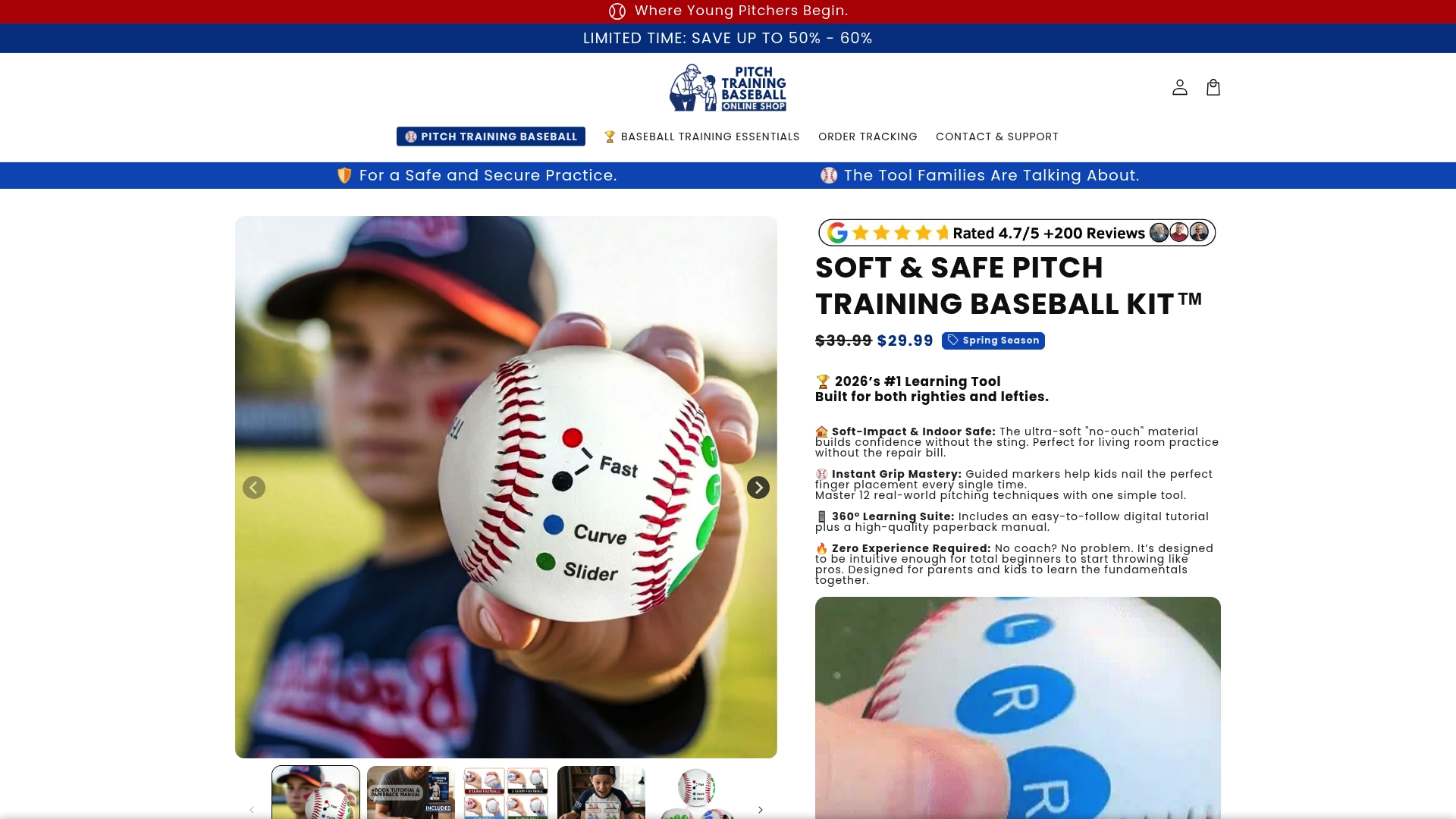
Pitchtrainingbaseball offers a complete pitching training kit designed to build arm strength, sharpen mechanics, and support the kind of focused repetition that reduces fatigue risk. The 9-zone pitching target net gives pitchers immediate visual feedback on command, which is one of the first things to break down when fatigue sets in. Both tools work for coaches running team practice and for parents supporting development at home. Building good mechanics in practice means the arm works more efficiently when it counts.
FAQ
What are the first signs of pitcher fatigue to watch for?
The earliest signs are mechanical: a dropping arm slot, slower delivery tempo, loss of command, and the front hip opening too early. Coaches should pull a pitcher when two or three of these appear together, regardless of pitch count.
How many pitches can a youth pitcher throw before needing rest?
Under 2026 standards, pitchers ages 7–14 who throw 66 or more pitches require four full calendar days of rest. Lower pitch counts require proportionally less rest, starting at one day for 21–35 pitches.
Does icing help a pitcher’s arm recover faster?
Current recovery guidelines favor active recovery over icing. Gentle tossing and mobility work the day after pitching support faster arm restoration. Frequent icing after every outing may indicate the arm is being overused.
Should young pitchers play only baseball to improve faster?
Single-sport specialization before high school increases overuse injury risk. Multisport participation builds varied movement patterns and gives the arm genuine rest, which supports long-term pitching durability.
How do I track total throwing volume across games and practice?
Record every throw across all roles, including bullpen warm-ups, practice sessions, and any catching duties. Count bullpen pitches toward the game total for rest purposes. A simple log updated after every session is enough to keep cumulative load visible.
Recommended
- Managing Practice Time for Pitchers: 2026 Youth Guide – Pitch Training Baseball
- Why Pitcher Recovery Is Important for Young Arms – Pitch Training Baseball
- Recommended Daily Pitching Habits for Youth Players – Pitch Training Baseball
- Why Monitor Pitch Counts: A 2026 Safety Guide – Pitch Training Baseball