


Types of game situation pitching refer to the different strategic approaches a pitcher takes based on game context: the count, runners on base, number of outs, and batter tendencies. Mastering these pitching scenarios in baseball is what separates a thrower from a pitcher. First-pitch strikes reduce hitter batting average by more than 100 points at the 14U level. That single fact tells you everything about why situational awareness matters. Pitchtrainingbaseball builds its entire training philosophy around this principle: every pitch has a purpose, and that purpose changes with the game situation. Young players who learn to read and react to game context early develop a pitching IQ that carries them through every level of the sport.
What are the main types of pitching situations in baseball games?
Situational pitching, the industry term for adjusting pitch strategy based on game context, covers four core variables: the count, runners on base, number of outs, and batter tendencies. Each variable shifts the pitcher’s goal. Understanding all four is the foundation of effective game situation pitching.
Count-based situations are the most frequent decision points a pitcher faces. An 0-0 count is an attack count. The pitcher holds the advantage and should throw a strike to get ahead. A 3-2 full count flips the pressure. The pitcher must throw a strike, and the hitter knows it. Complex pitch tunneling strategies are less effective with young hitters, so simple count leverage and pitch sequencing matter most at youth levels.
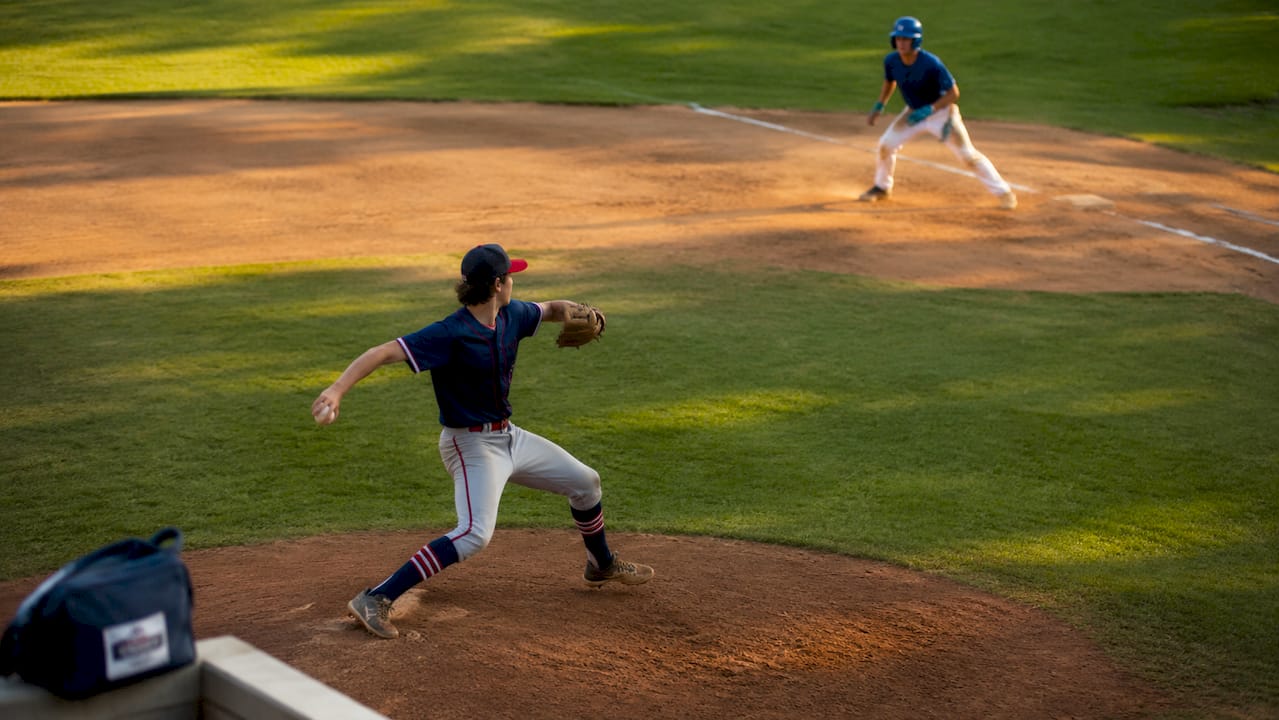
Runners on base change everything about how a pitcher operates. With no runners, a pitcher works from the windup and focuses entirely on the hitter. With runners on, the stretch delivery becomes the default. Holding runners, controlling the running game, and preventing stolen bases all become part of the job. Stretch delivery is used in roughly 33% of game situations, yet many young pitchers neglect it in practice.
Number of outs shapes the pitcher’s risk tolerance. With no outs, giving up a walk or a single is manageable. With two outs, every baserunner is a scoring threat. A pitcher with two outs and a runner on third pitches very differently than one with no outs and the bases empty.
Batter tendencies round out the picture. Does the hitter chase high fastballs? Does he struggle with off-speed pitches? Coaches and catchers who track these patterns give their pitchers a real edge. Even at youth levels, simple pattern recognition builds a competitive advantage.
1. Getting ahead in the count
The first pitch of every at-bat is the most important pitch a pitcher throws. First-pitch strikes give pitchers an advantage over 80% of competition at youth levels. Throwing a strike on pitch one puts the hitter on defense immediately.
Young pitchers should treat the 0-0 count as an opportunity, not a neutral moment. Attack the zone with a four-seam fastball to the glove-side corner. Avoid trying to be too fine. The goal is a strike, not a strikeout.
Pro Tip: If you throw a first-pitch strike, the hitter’s batting average drops dramatically. Make it your number-one habit every single at-bat.
2. Pitching with runners on base
Runners on base demand a shift in mechanics and mindset. The pitcher moves from the windup to the stretch, shortening the delivery to reduce the running game. Coaches should dedicate 40% of bullpen work to stretch delivery to maintain velocity and command under pressure.
Holding runners requires quick feet and a consistent slide step. A pitcher who ignores base runners gives the offense a free pass to steal. Even at the youth level, a stolen base changes the inning.
The mental challenge here is real. Pitchers must split their focus between the hitter and the runner. Practice this split focus in bullpen sessions by having a coach simulate runner movement while the pitcher works from the stretch.
3. Two-strike approach
A two-strike count is the pitcher’s best opportunity to end an at-bat. The goal shifts from throwing strikes to getting swings and misses or weak contact. This is where pitch sequencing pays off.
A common two-strike sequence at youth levels: establish the fastball early, then throw a changeup or curveball off the plate. The hitter, expecting another fastball, chases the off-speed pitch. Using simplified pitch sequences helps young pitchers focus on execution rather than overthinking the strategy.
The location matters as much as the pitch type. Two-strike pitches should live at the bottom of the zone or just below it. Ground balls and strikeouts both end at-bats. Either outcome works.
4. Pitching with no outs vs. two outs
No-out situations call for a ground-ball mindset. The pitcher wants to induce weak contact that produces double plays or easy outs. Throwing to contact, keeping the ball down in the zone, and avoiding walks are the priorities.
Two-out situations demand a strikeout mentality. Every runner on base is a genuine scoring threat. The pitcher can afford to expand the zone slightly, throw more off-speed pitches, and work the edges more aggressively.
The mental shift between these two scenarios is something young pitchers must practice deliberately. Coaches can simulate both situations during situational drills in practice, dedicating 10 minutes per session to these specific contexts.
5. Pitching for ground balls vs. strikeouts
Not every situation calls for a strikeout. Ground-ball pitching is the smarter play when the infield is set up for a double play or when pitch count conservation matters. Sinkers, two-seam fastballs, and changeups thrown low in the zone produce ground balls.
Strikeout pitching burns more pitches and requires sharper command. It makes sense with two outs, in high-leverage moments, or when the pitcher has a clear off-speed advantage over the hitter.
Young pitchers should learn to read the situation before deciding which approach to use. A coach who teaches both approaches gives players a much wider tactical toolkit than one who only emphasizes strikeouts.
6. Sequence pitching: setting up hitters over multiple pitches
Sequence pitching means using earlier pitches in an at-bat to set up a specific pitch later. Throw a fastball inside to move the hitter’s hands, then throw a changeup away. The hitter’s body is already committed to the inside pitch.
This approach requires memory and planning. The pitcher must remember what he threw in the first at-bat and use that information in the second. Even at youth levels, this kind of thinking separates good pitchers from great ones.
A simplified Sequence Chart with three-pitch location sequences reduces the mental load and improves execution. Coaches can print these charts and review them before games.
7. Using the stretch delivery strategically
The stretch delivery is not just a mechanical adjustment. It is a tactical tool. A pitcher who commands the stretch as well as the windup forces base runners to stay close, limits stolen bases, and maintains velocity in high-pressure moments.
40% of bullpen work should come from the stretch because runners on base occur in roughly one-third of game situations. Most youth pitchers spend almost all their bullpen time in the windup. That imbalance shows up in games.
Pro Tip: During every bullpen session, split your pitches evenly between windup and stretch. Your stretch command will improve faster than you expect.
Comparing pitching strategies by experience level
Different game situation pitching strategies suit different pitcher experience levels. The table below maps common pitching scenarios to the right approach based on skill and development stage.
| Pitching situation | Beginner pitcher | Developing pitcher |
|---|---|---|
| First-pitch approach | Four-seam fastball to the zone | Fastball with location intent (corner) |
| Runners on base | Basic stretch, focus on strike throwing | Slide step, hold runner, vary tempo |
| Two-strike count | Fastball low in zone | Off-speed pitch off the plate |
| No-out scenario | Throw strikes, avoid walks | Ground-ball pitch, induce double play |
| Two-out scenario | Attack the zone, limit damage | Expand zone, use off-speed to finish |
| Pitch count awareness | Stay within strict pitch count limits | Self-monitor and communicate with coach |
Youth pitchers aged 8–10 should focus on commanding a four-seam fastball and observe strict pitch count limits. Secondary pitches are discouraged before age 11. That guideline protects arm health and keeps young pitchers focused on the fundamentals that matter most.
Mechanics drive strategy. A pitcher who cannot repeat his delivery cannot execute situational pitching. Safe mechanics including balance, arm path, and pitch count adherence prevent arm injuries and keep young pitchers on the mound long enough to develop real game IQ.
How to train for situational pitching at youth level
Effective practice builds situational pitching skills faster than game experience alone. Structured drills, mental habits, and consistent routines are the foundation.
Daily habits and warm-up routines:
- Start every session with a balance check at peak leg lift. Hold the position with eyes closed for three seconds. Failure to hold this predicts mechanical inconsistency.
- Throw 10–15 flat-ground pitches before moving to the mound. Focus on arm path and release point.
- Work through recommended daily pitching habits that build command and mental readiness before each session.
Situational drill structure:
- Dedicate 10 minutes per practice to situational drills that simulate runners and outs.
- Follow each drill block with a three-minute team debrief to reinforce what was learned.
- Rotate through all four core variables: count, runners, outs, and batter tendencies.
Mental game development:
- Practice a pre-pitch mental checklist whispered aloud during the 7–12 seconds between pitches. Include score, inning, count, outs, and runners.
- This checklist prevents freezing and builds proactive decision-making speed over time.
Bullpen structure:
- Split bullpen pitches: 60% windup, 40% stretch. This ratio matches real game conditions.
- Follow a step-by-step bullpen routine that builds mechanical consistency and situational awareness together.
Pro Tip: Record your bullpen sessions on a phone. Watch the footage immediately after. You will spot mechanical issues in 30 seconds that a coach might miss in real time.
Situational pitching tips from youth coaches and mistakes to avoid
Youth coaches who work with situational pitching consistently identify the same patterns in players who improve quickly and those who stall.
“Mental toughness in pitching is not about staying calm. It is about having a physical reset routine that brings you back to your mechanics after a mistake. A two-second controlled reset after a bad pitch builds more resilience than any pep talk.” This principle, drawn from mental game coaching research, applies directly to situational pitching. A pitcher who resets quickly after a walk or a hit stays effective in the inning.
Common mistakes young pitchers make:
- Neglecting the stretch delivery in practice, then struggling with it in games when runners are on base.
- Ignoring count leverage and throwing the same pitch regardless of the situation.
- Rushing into breaking pitches before the arm is physically ready. Secondary pitches before age 11 increase injury risk significantly.
- Overthinking pitch sequences instead of using a simplified three-pitch location plan.
- Failing to use the 7–12 seconds between pitches to run a mental checklist and reset focus.
What successful young pitchers do differently:
- They practice mental preparation before pitching as seriously as physical mechanics.
- They keep pitch sequences simple and repeatable rather than trying to be unpredictable.
- They communicate with their catcher and coach between innings to adjust their approach.
- They treat every at-bat as a fresh start, regardless of what happened in the previous inning.
Key takeaways
Situational pitching is the single most transferable skill a young pitcher can develop, because it turns physical ability into tactical control.
| Point | Details |
|---|---|
| First-pitch strikes are critical | Throwing a strike on pitch one drops hitter batting average by more than 100 points at youth levels. |
| Stretch delivery needs practice | Dedicate 40% of bullpen work to stretch delivery since runners on base occur in one-third of game situations. |
| Count leverage drives strategy | Adjust pitch selection and location based on whether you are ahead, behind, or even in the count. |
| Mental reset builds consistency | A two-second physical reset after mistakes builds more resilience than verbal encouragement alone. |
| Age-appropriate pitch limits protect arms | Pitchers aged 7–8 max out at 50 pitches per outing; ages 9–10 max at 75. Secondary pitches wait until age 11. |
Why game IQ matters more than raw velocity
I have watched a lot of young pitchers over the years, and the ones who stick around longest are rarely the hardest throwers. They are the ones who figured out early that pitching is a thinking game.
The pitcher who throws 72 mph but knows how to work a 3-2 count, hold a runner on second, and set up a hitter with two pitches before throwing the third will outperform the kid throwing 80 mph with no plan. Every time. The velocity gap closes as players develop. The game IQ gap only widens if you ignore it.
What I find coaches underestimate is how early kids can absorb situational thinking. A 10-year-old who practices a pre-pitch checklist for one season will make better decisions under pressure than a 14-year-old who never learned the habit. The window for building game IQ is wide open at youth levels. Do not waste it on mechanics alone.
The other thing I have seen consistently: pitchers who master the stretch delivery early are almost always the ones who stay healthy. They are not fighting their own mechanics in high-leverage moments. They have already practiced it hundreds of times. That preparation shows up when the bases are loaded in the sixth inning.
My honest advice to coaches is this: spend less time on strikeout drills and more time on situational scenarios. Put runners on base in practice. Simulate two-out situations. Make the mental checklist a team habit. The results will show up in games faster than you expect.
— Albert
Pitchtrainingbaseball tools that sharpen situational pitching
Situational pitching skills develop faster when practice tools match real game demands. Pitchtrainingbaseball offers training equipment built specifically for the drills that build game IQ and command.
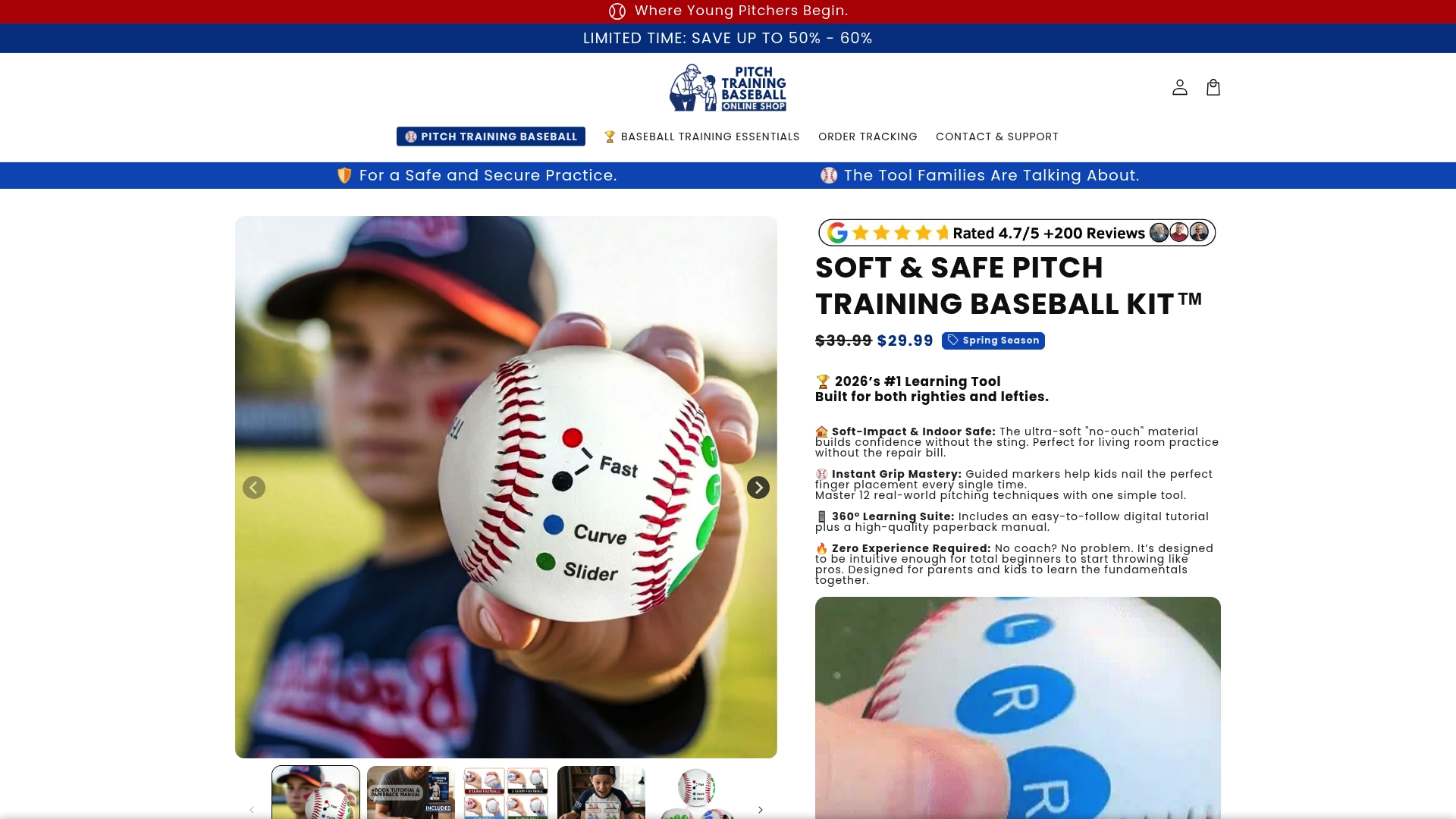
The Pitching Target Net with 9-Zone Strike System gives pitchers a visual target for every count and situation. Practicing location by zone builds the muscle memory needed to hit corners in full-count moments. For coaches running stretch delivery drills, the 5 Pickeballs set adds a pickoff training element that simulates real base-runner pressure. Both tools integrate directly into the situational drills and bullpen routines covered in this guide, making every practice rep more game-specific and effective.
FAQ
What is situational pitching in baseball?
Situational pitching is the practice of adjusting pitch selection, location, and delivery based on game context, including the count, runners on base, number of outs, and batter tendencies. It is the standard term for what coaches also call game situation pitching.
When should youth pitchers start learning situational pitching?
Young pitchers can begin learning basic situational concepts, such as throwing first-pitch strikes and working from the stretch, as early as age 9 or 10. More advanced sequence pitching and count leverage strategies develop naturally as command improves.
How many pitches should a youth pitcher throw per outing?
Pitch count limits by age are: 50 pitches maximum for ages 7–8, and 75 pitches maximum for ages 9–10. Staying within these limits protects arm health and reduces injury risk significantly.
Why is the stretch delivery so important in game situations?
Runners on base occur in roughly one-third of all game situations, making the stretch delivery a core skill rather than an optional one. Pitchers who practice the stretch regularly maintain velocity and command when it matters most.
How do you build mental toughness for high-pressure pitching situations?
Mental toughness develops through physical habits, specifically a two-second controlled reset routine after mistakes, combined with a pre-pitch mental checklist practiced during the 7–12 seconds between pitches. Verbal encouragement alone does not build the same resilience.
Recommended
- Game-like pitching practice: Raise youth baseball skills fast – Pitch Training Baseball
- Baseball Coaching Methods: Examples for Youth Coaches – Pitch Training Baseball
- How to throw a baseball: proven youth coaching tips – Pitch Training Baseball
- How to Plan Pitcher Rotations for Youth Baseball – Pitch Training Baseball