


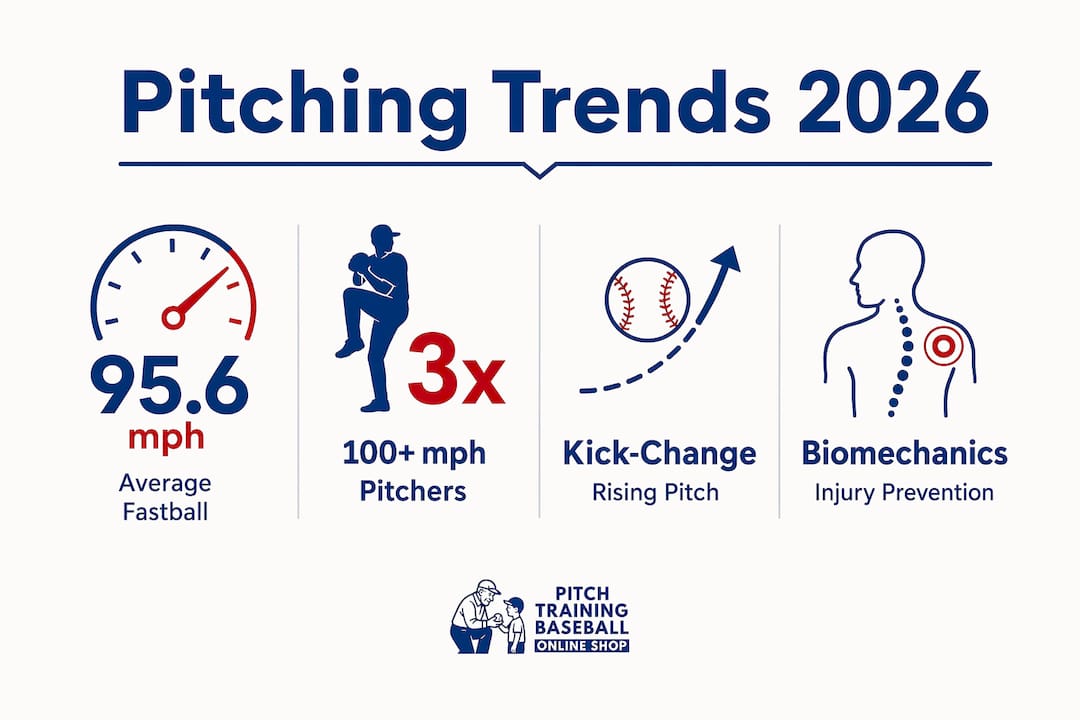
Pitching trends in 2026 are defined by three forces reshaping the game: record fastball velocity, the rise of the kick-change as a dominant off-speed weapon, and biomechanical research that is finally catching up to the demands coaches and players place on young arms. The number of 100-mph arms in MLB has tripled in seven years, while minor leaguers throwing triple digits are up 1,000% since 2021. These numbers are not just impressive. They signal a structural shift in how pitching staffs are built, how youth players are developed, and how coaches must think about arm health from day one.
What are the pitching trends in 2026 that matter most?
The two most consequential shifts in 2026 baseball strategies are the velocity explosion and the emergence of the kick-change pitch. Top teams are now averaging 95.6 mph on fastballs, a benchmark that would have been elite for a single pitcher a decade ago. That average now belongs to entire staffs.
The kick-change is the pitch type drawing the most attention among analysts and coaches. It uses a two-seam grip with spike pressure to generate splitter-like downward movement, and it is proving especially effective for right-handed pitchers attacking same-side hitters down and inside. Kevin Gausman’s changeup dominance helped establish the changeup family as the pitch of the year, and the kick-change is the next evolution of that philosophy.
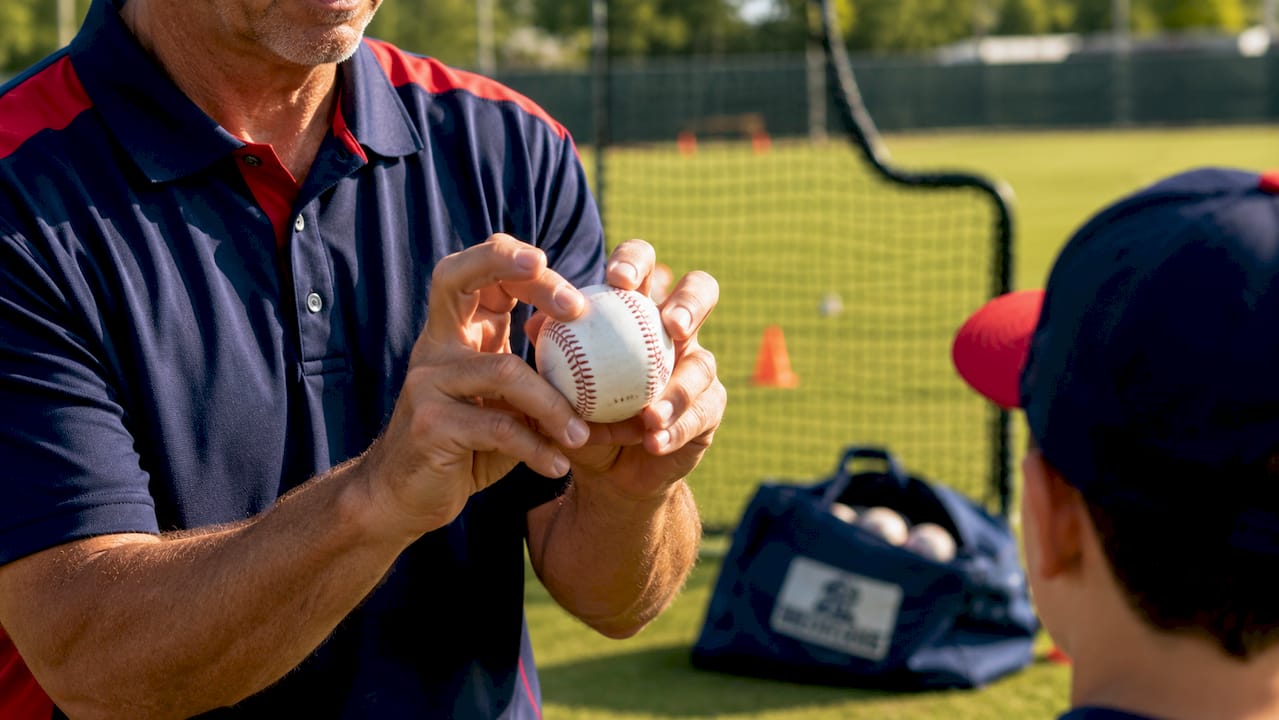
Biomechanical research is the third pillar. University of Waterloo modeling now shows that specific arm slots and torso tilts directly increase UCL strain. Coaches who ignore this data are not just behind the curve. They are putting their pitchers at measurable risk.
How has fastball velocity evolved and what are its consequences?
Fastball velocity in professional baseball has reached a point where the old benchmarks no longer apply. The tripling of 100-mph arms in MLB over seven years reflects a deliberate organizational push toward power pitching at every roster level. This is not a coincidence. Teams are drafting, developing, and deploying pitchers specifically for velocity output.
The consequences are real and worth understanding before you build a youth development program around pure heat.
- Shorter starter outings: Max-effort pitching depletes arms faster. Starters who throw 97+ mph regularly are lasting fewer innings per outing, which forces teams into deeper bullpen usage every game.
- Bullpen dependency: The pitch-count trap is a documented phenomenon in 2026. Starters are pulled earlier, bullpens are taxed more, and roster construction now requires six or seven reliable relievers instead of four.
- Injury frequency: Experts warn that max-velocity pitching correlates directly with recurring injuries and growing reliance on bullpen depth to keep a staff functional across a full season.
- Velocity as a double-edged tool: Throwing harder gets hitters out. It also shortens careers if the mechanical foundation is not there to support it.
For youth coaches, the lesson is not to avoid velocity development. The lesson is to build velocity on top of sound mechanics, not instead of them. Physical fitness for young pitchers is the foundation that makes velocity sustainable. You can explore how fitness supports arm health before adding velocity-focused training to your program.
Pro Tip: Track your pitcher’s average velocity across a full practice session, not just their peak. A drop of 3 mph or more from the first inning to the last is a reliable early warning sign of fatigue and mechanical breakdown.
What are the new off-speed and specialty pitches emerging in 2026?
The kick-change is the most discussed emerging pitching style of the 2026 season. It sits at the intersection of two previous trends: the multi-fastball approach that dominated the early 2020s and the changeup-first philosophy that followed. Here is how the kick-change works and why it matters for coaches at every level.
- Grip and pressure: The kick-change uses a two-seam grip with the index finger applying spike pressure on the seam. This creates a tumbling, splitter-like action without requiring the wide finger spread of a traditional split-finger fastball.
- Movement profile: The pitch breaks down and in on right-handed hitters when thrown by a right-handed pitcher. That movement pattern is historically difficult to cover because it starts in the strike zone and finishes off the plate.
- Matchup advantage: Right-on-right matchups have traditionally favored the pitcher with a slider or cutter. The kick-change gives pitchers a second same-side weapon that works at a different speed and angle, making sequencing far more complex for hitters.
- Comparison to the sweeper: The sweeper, which dominated 2022–2024, moved horizontally. The kick-change moves vertically and in. These are complementary weapons, not substitutes.
- Adoption curve: Integrating new pitch types like the kick-change demands long-term practice to balance movement and accuracy. Coaches should not expect command of this pitch in a single offseason.
For youth coaches, the priority is not teaching the kick-change immediately. The priority is building a strong understanding of pitch selection fundamentals so young pitchers can eventually layer in specialty pitches from a solid base. Understanding off-speed pitching mechanics first gives players the context to learn advanced variations correctly.
Pro Tip: Before introducing the kick-change to a youth pitcher, confirm they can locate a standard changeup to both sides of the plate with consistency. The kick-change is a refinement, not a replacement.
How are biomechanics and injury prevention shaping pitching mechanics in 2026?
The most significant shift in 2026 baseball strategies is not happening on the mound. It is happening in the lab. Biomechanist Cedric Attias and researchers at the University of Waterloo have shifted the field from reactive injury management to preventative mechanical optimization. The goal is no longer to fix a torn UCL after the fact. The goal is to identify the mechanical patterns that cause UCL strain before the injury occurs.
“The mechanics can be adjusted to reduce UCL stress without sacrificing speed.” — University of Waterloo biomechanics research, 2026
The computer modeling from Waterloo found that high arm slots combined with aggressive torso tilt increase the load on the UCL during the acceleration phase of the throw. Tyler Rogers, who throws from a submarine delivery, is the clearest real-world example of how a low-stress arm slot can maintain competitive velocity while reducing elbow strain.
| Delivery style | UCL stress level | Velocity impact | Best suited for |
|---|---|---|---|
| High arm slot (over the top) | High | Maximum velocity potential | Power pitchers with strong mechanics |
| Three-quarter arm slot | Moderate | Strong velocity, good movement | Most starter profiles |
| Sidearm | Lower | Moderate velocity, sharp horizontal break | Specialist relievers |
| Submarine | Lowest | Competitive velocity, unusual angles | Stress-reduction candidates |
Rotational athleticism is the other major finding shaping 2026 pitching development. Elite velocity comes from efficient energy transfer through the kinetic chain, starting from the ground and moving through the hips, torso, and finally the arm. Static arm strength training alone does not produce elite velocity. Poor sequencing in the kinetic chain causes energy leaks that both limit speed and increase injury risk.
For youth coaches, this means thoracic mobility work, hip rotation drills, and sequential timing practice are not optional extras. They are the foundation of proper pitching technique that produces velocity safely over time.
Pro Tip: Film your pitcher from the side during bullpen sessions. If the hips and shoulders rotate at the same time rather than in sequence, the pitcher is losing velocity and adding elbow stress simultaneously. Fix the sequence first, then work on arm strength.
How do these trends impact coaching strategies and team dynamics in 2026?
The 2026 season has made one thing clear: there is no single formula for building a winning pitching staff. Some teams succeed with elite velocity and power pitching. Others, like the Tampa Bay Rays, compete through contact management, situational play, and pitching variety rather than raw heat. Both approaches work. The mistake is copying one without understanding your roster.
For coaches managing youth programs, the practical implications of these trends break down into four areas:
- Pitch count management: The pitch-count trap is not just a professional problem. Youth pitchers who chase velocity without managing workload face the same injury patterns at earlier ages. Structured bullpen routines and clear pitch limits per session are non-negotiable.
- Arm slot awareness: Andrew Abbott increased his ground ball rate to 40.5% by june 2026 by adjusting his arm slot for more horizontal and downward movement. Youth coaches can apply the same principle: small mechanical adjustments produce measurable results in pitch quality.
- Balancing velocity and command: Pitchers who change arm angles to gain movement often sacrifice command in the process. The learning curve is real. Build in time for command work whenever you introduce mechanical changes.
- Staff construction philosophy: In 2026, a youth pitching staff needs at least one pitcher who can eat innings efficiently, not just one who can throw hard. Velocity is a tool. Durability is a strategy.
Managing practice time effectively is the practical skill that ties all of these considerations together. Coaches who plan sessions around specific mechanical goals, rather than just throwing volume, see better development outcomes and fewer arm problems. Athletic career longevity research supports this: structured, purposeful training produces more durable athletes than high-volume, unstructured work.
Joint health is the other side of the equation. UCL and elbow joint care for young pitchers is not a medical specialty topic. It is a coaching responsibility. Coaches who understand the basics of joint stress can make better decisions about workload, mechanics, and rest.
Key takeaways
The most durable pitching programs in 2026 combine velocity development with biomechanical awareness, pitch variety, and structured workload management from the youth level up.
| Point | Details |
|---|---|
| Velocity is structural, not optional | Top teams average 95.6 mph as a staff; youth programs must develop velocity on a sound mechanical base. |
| The kick-change is the pitch to watch | Right-handed pitchers gain a major same-side weapon; youth coaches should build changeup command first. |
| Biomechanics prevent injuries | University of Waterloo research shows arm slot and torso tilt directly affect UCL strain; submarine delivery reduces risk. |
| Kinetic chain drives velocity | Elite speed comes from sequential hip-to-shoulder rotation, not arm strength alone; fix sequencing before adding load. |
| Pitch-count discipline protects careers | Max-effort pitching shortens outings and increases bullpen dependency; structured limits apply at every level. |
What I’ve learned coaching pitchers through the velocity era
I have watched the velocity conversation consume youth baseball for the better part of a decade, and my honest view is that most coaches are asking the wrong question. The question is not “how do I get my pitcher to throw harder?” The question is “how do I build a pitcher who can still throw hard in three years?”
The kick-change is a perfect example of where this goes wrong. I see coaches introduce it to 13-year-olds who cannot yet locate a four-seam fastball to both sides of the plate. The pitch has real value at the right stage of development. At the wrong stage, it teaches bad habits and creates command problems that take years to undo.
The biomechanics research coming out of places like the University of Waterloo is the most useful development I have seen in my time coaching. It gives coaches a framework for having conversations with parents and players about mechanics that goes beyond “throw like this.” When you can explain that a specific arm slot increases elbow stress, people listen differently.
My practical advice: film everything, track velocity across full sessions rather than peak readings, and treat any drop in command as a mechanical signal rather than a focus problem. The arm tells you what is wrong before the MRI does.
The coaches who will develop the best pitchers in 2026 are not the ones chasing the latest pitch type. They are the ones building athletes who move well, sequence correctly, and understand their own mechanics well enough to self-correct. That is a longer road. It is also the one that keeps arms healthy and careers intact.
— Albert
Train smarter with the right pitching tools
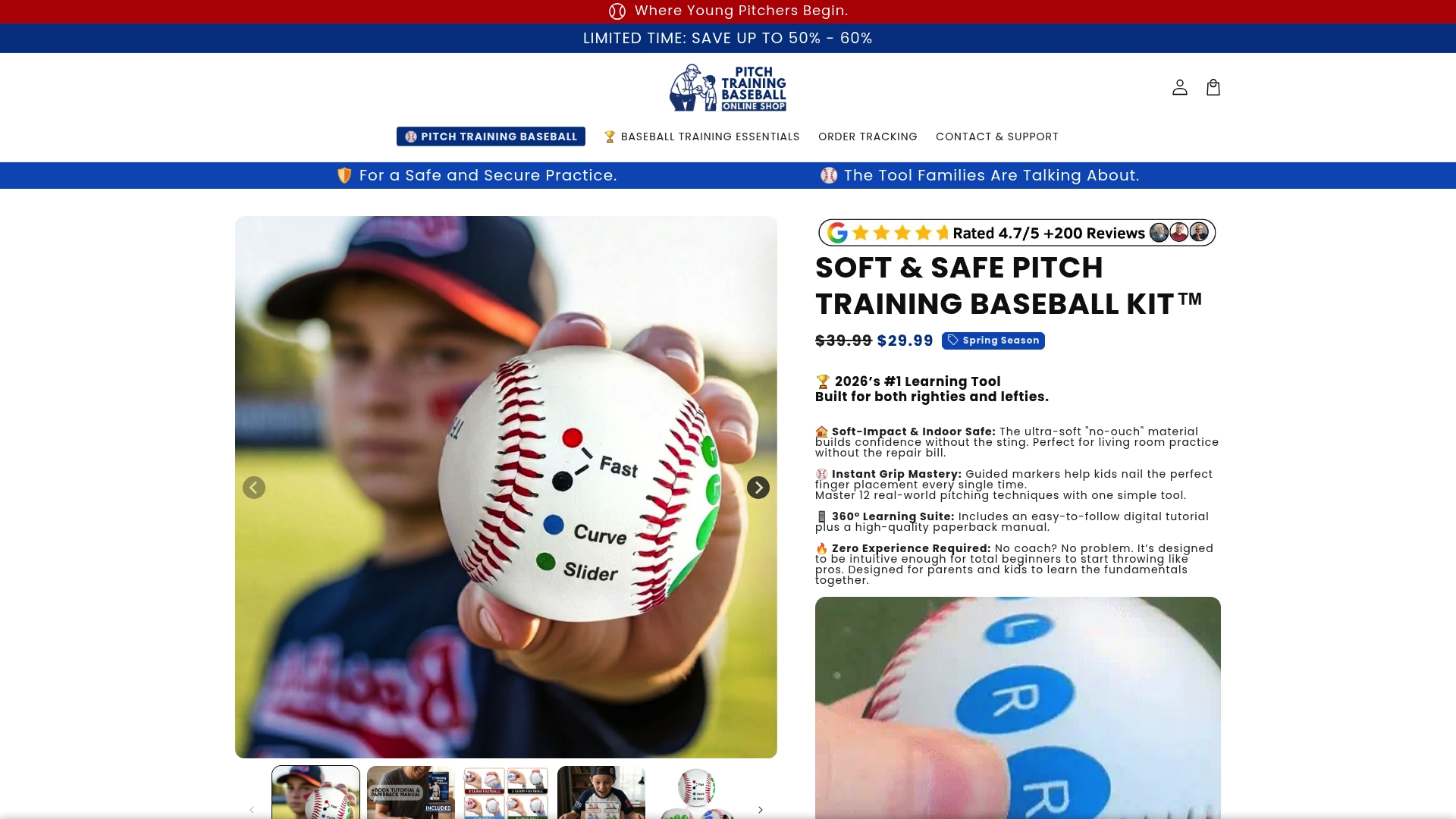
The trends shaping professional pitching in 2026 all point toward one priority: developing command, velocity, and pitch variety through purposeful, structured practice. Pitchtrainingbaseball builds training tools specifically designed to support that kind of development for youth players. The 9-zone pitching target net gives pitchers a clear visual reference for location work, making every bullpen session more productive than throwing into open space. For coaches working on pitch variety and spin development, the specialty training balls from Pitchtrainingbaseball help young arms feel the difference between pitch types before the mechanics are fully locked in. These tools do not replace good coaching. They make good coaching more consistent.
FAQ
What is the kick-change pitch and who uses it?
The kick-change uses a two-seam grip with spike pressure to produce splitter-like downward movement. It is most effective for right-handed pitchers attacking same-side hitters down and inside.
How fast are pitchers throwing in 2026?
Top MLB teams are averaging 95.6 mph on fastballs as a staff, and the number of pitchers throwing 100 mph has tripled in seven years. Minor league 100-mph arms are up 1,000% since 2021.
What causes UCL injuries in pitchers and how can they be prevented?
High arm slots and aggressive torso tilt increase UCL strain during the throwing motion. Biomechanical research from the University of Waterloo shows that adjusting mechanics, including lower arm slots like submarine delivery, reduces elbow stress without losing velocity.
Should youth pitchers focus on velocity or command first?
Command comes first. Pitchers who develop location and pitch sequencing before chasing velocity build more durable mechanics and avoid the injury patterns associated with max-effort throwing at young ages.
What is the pitch-count trap in 2026 baseball?
The pitch-count trap refers to the cycle where velocity-focused starters are pulled earlier in games, increasing bullpen workload and raising injury risk across the entire pitching staff throughout a long season.
Recommended
- Pitching zone knowledge: Boost your young player’s skills – Pitch Training Baseball
- Managing Practice Time for Pitchers: 2026 Youth Guide – Pitch Training Baseball
- Youth Baseball Pitching Myths Coaches Must Stop Believing – Pitch Training Baseball
- Recommended Daily Pitching Habits for Youth Players – Pitch Training Baseball